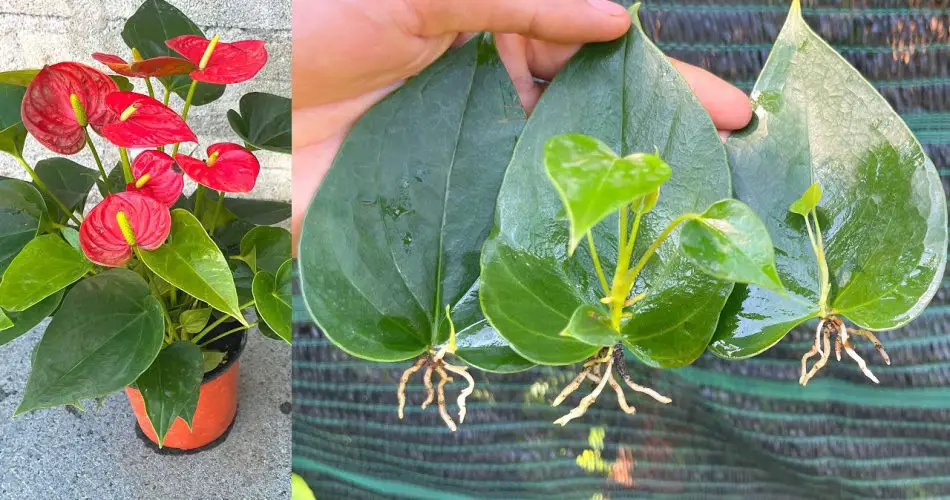
Anthuriums, often celebrated for their stunning flowers and glossy leaves, can be a striking addition to any home or garden. To ensure these tropical beauties remain healthy and vibrant, proper Anthurium plant care is essential. Here’s a comprehensive guide to help you keep your Anthuriums thriving, with key tips on watering, light, soil, and fertilization.
Understanding Anthurium Plants
Anthuriums, also known as flamingo flowers or laceleaf, are admired for their distinctive heart-shaped leaves and colorful spathes. Native to tropical regions, these plants thrive in conditions that mimic their natural habitat.
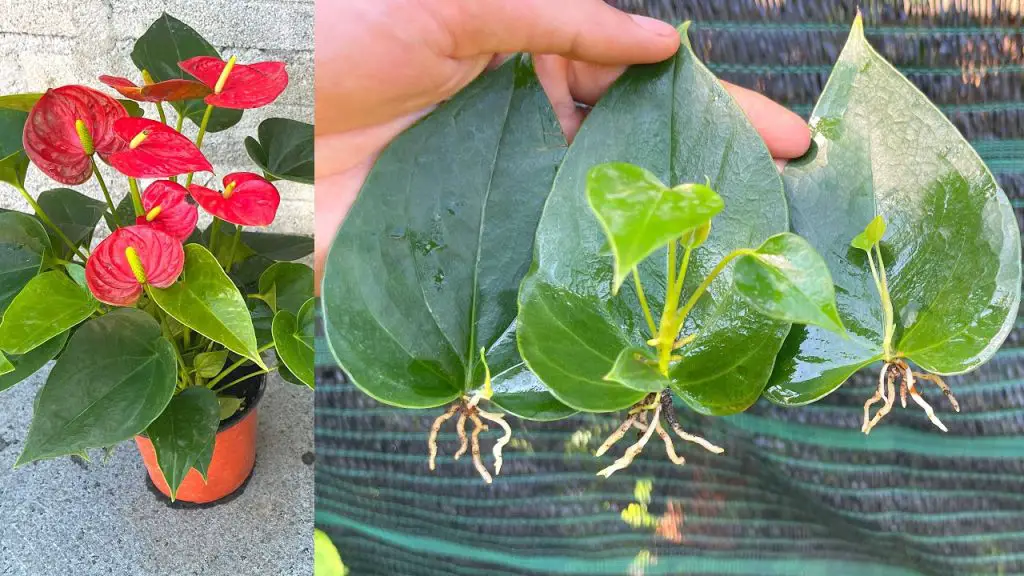
Essential Care Tips for Anthuriums
- Light Requirements:
- Bright, Indirect Light: Anthuriums prefer bright, indirect light. Place them near a window with filtered sunlight or in a well-lit room. Avoid direct sunlight, which can scorch their leaves.
- Watering:
- Moderate Watering: Keep the soil consistently moist but not waterlogged. Water the plant when the top inch of soil feels dry. Overwatering can lead to root rot, so ensure proper drainage.
- Humidity: Anthuriums thrive in high humidity. To maintain adequate moisture, you can use a humidifier, place the pot on a tray with pebbles and water, or mist the plant regularly.
- Soil:
- Well-Draining Mix: Use a well-draining potting mix to prevent water from accumulating at the roots. A mix designed for orchids or a combination of potting soil, perlite, and pine bark works well.
- Fertilization:
- Regular Feeding: Feed your Anthurium with a balanced liquid fertilizer every 6-8 weeks during the growing season (spring and summer). Reduce feeding in the fall and winter when the plant’s growth slows down.
- Temperature:
- Warm Conditions: Anthuriums prefer warm temperatures between 65-80°F (18-27°C). Avoid exposing them to cold drafts or sudden temperature changes.
- Pruning:
- Remove Dead Leaves: Regularly prune dead or yellowing leaves to maintain the plant’s appearance and health. This also encourages new growth and prevents disease.
- Pest Control:
- Monitor for Pests: Check for common pests like spider mites, aphids, and mealybugs. If you notice any, treat the plant with insecticidal soap or neem oil.
- Repotting:
- Every 1-2 Years: Repot your Anthurium every 1-2 years or when it outgrows its pot. Choose a pot that is 1-2 inches larger in diameter and refresh the potting mix.
Troubleshooting Common Issues
- Brown Leaf Tips: This may indicate low humidity or over-fertilization. Increase humidity and adjust your feeding routine.
- Yellow Leaves: Often a sign of overwatering or poor drainage. Ensure the soil is not soggy and check for root rot.
- Lack of Blooms: If your Anthurium isn’t blooming, it may need more light or a nutrient boost. Ensure it’s getting adequate care.
With the right care, Anthurium plants can bring vibrant color and lush foliage to your space. By providing bright, indirect light, moderate watering, and a well-draining soil mix, you can ensure these stunning plants remain healthy and blooming. Regular fertilization, attention to humidity, and occasional pruning will keep your Anthuriums thriving and showcase their beautiful, long-lasting flowers. Embrace these care tips and enjoy the lasting beauty of your Anthuriums!