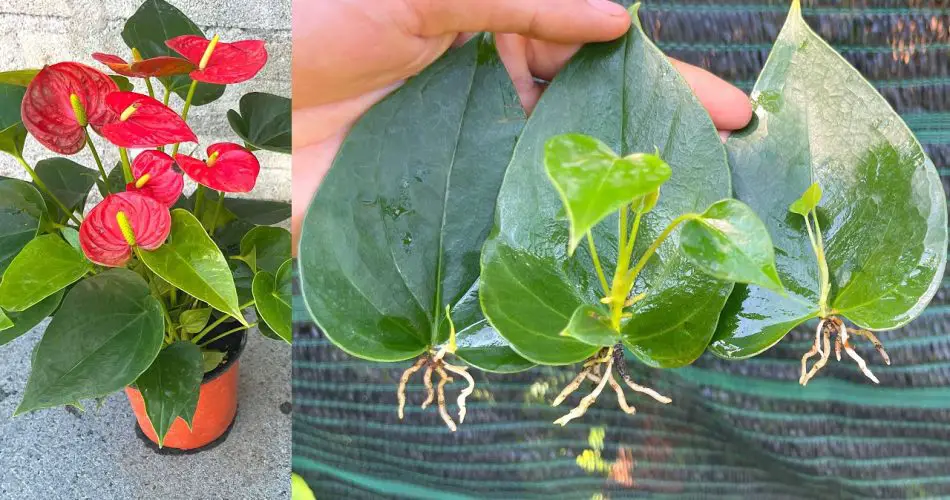
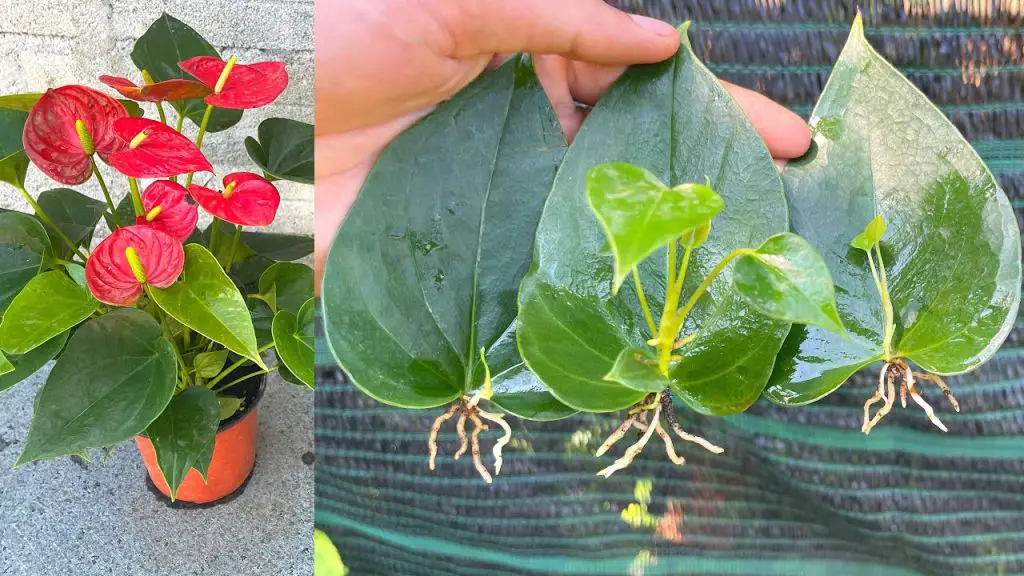
The Anthurium, also known as the flamingo flower or laceleaf, is a stunning tropical plant prized for its shiny, heart-shaped leaves and vibrant, long-lasting flowers. Known for its striking red, white, or pink spathes, the Anthurium adds a pop of color and elegance to any indoor space. However, to maintain its beauty and health, the Anthurium plant care requires some attention. Whether you’re a seasoned gardener or a beginner, this guide will walk you through the essentials of caring for your Anthurium and ensuring it thrives in your home.
Understanding Your Anthurium
Before diving into care tips, it’s important to understand the plant’s needs. Native to Central and South America, Anthuriums thrive in warm, humid environments. As epiphytic plants, they typically grow on trees in their natural habitat, meaning they are accustomed to indirect light and moist conditions.
Key Care Requirements for Anthurium
1. Light: Provide Indirect, Bright Light
Anthuriums need bright, indirect light to grow and flower effectively. Too much direct sunlight can burn their delicate leaves, while too little light can cause the plant to become leggy and reduce blooming.
- Ideal Light: Place your Anthurium near a window where it can get plenty of filtered light. A north or east-facing window is perfect for this plant.
- Avoid Direct Sunlight: Direct exposure can scorch the leaves, causing brown spots. If your plant is in direct sunlight, consider using a sheer curtain or moving it to a spot with indirect light.
2. Water: Keep Soil Moist, Not Wet
Like many tropical plants, Anthuriums prefer consistently moist soil, but they don’t like to sit in waterlogged soil. Overwatering can lead to root rot, while underwatering can cause the leaves to droop and the flowers to wilt.
- Watering Frequency: Water your Anthurium when the top 1-2 inches of soil feel dry to the touch. In the winter, the plant needs less water, so allow the soil to dry out a bit more between waterings.
- Watering Method: Water thoroughly, ensuring the water drains out of the bottom of the pot. Always empty the drainage tray to prevent standing water, which can cause root rot.
3. Humidity: Keep It High
Anthuriums thrive in high humidity. They naturally grow in humid tropical regions, so maintaining a humid environment is key to keeping your plant healthy and encouraging blooms.
- Ideal Humidity Level: Aim for 60% humidity or higher. If your home is dry, especially during winter, consider using a humidifier or placing your Anthurium on a humidity tray filled with pebbles and water.
- Mist the Leaves: Lightly misting the leaves with water can help increase the humidity around the plant, but be careful not to overdo it, as excess moisture can cause mold or fungal issues.
4. Temperature: Keep It Warm
Anthuriums are sensitive to temperature changes, and sudden cold drafts can cause stress. Keep your plant in a warm location to help it flourish.
- Ideal Temperature: The best temperature range for an Anthurium is between 65°F and 80°F (18°C – 27°C). Avoid placing the plant in areas where temperatures drop below 50°F (10°C).
- Avoid Cold Drafts: Keep your plant away from air conditioning units, open windows, or heating vents, as sudden temperature fluctuations can cause leaf damage.
5. Soil: Well-Draining and Slightly Acidic
Anthuriums prefer a well-draining soil mix that retains moisture without becoming soggy. A sphagnum peat-based mix is an excellent choice for Anthuriums, as it provides the necessary drainage and moisture retention.
- Soil pH: The ideal pH level for Anthurium soil is slightly acidic to neutral, between 5.5 and 6.5. Ensure the soil is well-aerated and drains effectively.
- Repotting: Repot your Anthurium every 1-2 years to refresh the soil and provide more space for the roots. Choose a pot that’s 1-2 inches larger in diameter than the current one to allow for growth.
6. Fertilizing: Feed Regularly During Growing Season
To encourage healthy growth and abundant blooms, Anthuriums benefit from regular feeding, especially during the growing season (spring and summer).
- Fertilizer Type: Use a balanced, water-soluble fertilizer (e.g., 20-20-20) or one specifically designed for flowering plants. Alternatively, a slow-release fertilizer can be applied at the start of the growing season.
- Feeding Schedule: Feed your plant once a month during the growing season, and reduce fertilizing in the fall and winter when the plant’s growth slows down.
7. Pruning: Maintain Shape and Encourage Growth
Pruning is an essential part of Anthurium care. Regularly removing dead or faded flowers encourages new blooms, while cutting back leggy growth helps maintain a compact and attractive plant.
- Deadheading: Cut off wilted flowers to prevent them from robbing the plant of energy. Use clean, sharp scissors to trim the stem at the base of the flower spike.
- Pruning for Shape: If your Anthurium becomes too large or leggy, you can prune back excess growth to encourage a bushier, more compact form.
8. Pests and Diseases: Keep Your Plant Protected
While Anthuriums are relatively pest-resistant, they can still fall victim to common indoor plant pests, including aphids, mealybugs, and scale insects.
- Signs of Pests: Look for sticky residue, yellowing leaves, or small insects on the plant. Use a gentle insecticidal soap or neem oil to treat infestations.
- Preventing Root Rot: Ensure the pot has good drainage and that the soil isn’t too wet to prevent root rot, a common problem for overwatered Anthuriums.
Conclusion: Anthurium Plant Care Made Easy
Caring for an Anthurium plant can seem intimidating, but with the right attention to its light, water, humidity, and fertilizing needs, you can easily enjoy its striking flowers for months. By providing the right growing conditions—bright, indirect light, well-draining soil, and consistent care—you’ll have an Anthurium that will reward you with lush, green foliage and beautiful blooms year-round. Whether you’re a beginner or an experienced plant parent, these simple Anthurium care tips will help your plant thrive, making it a stunning addition to your home.