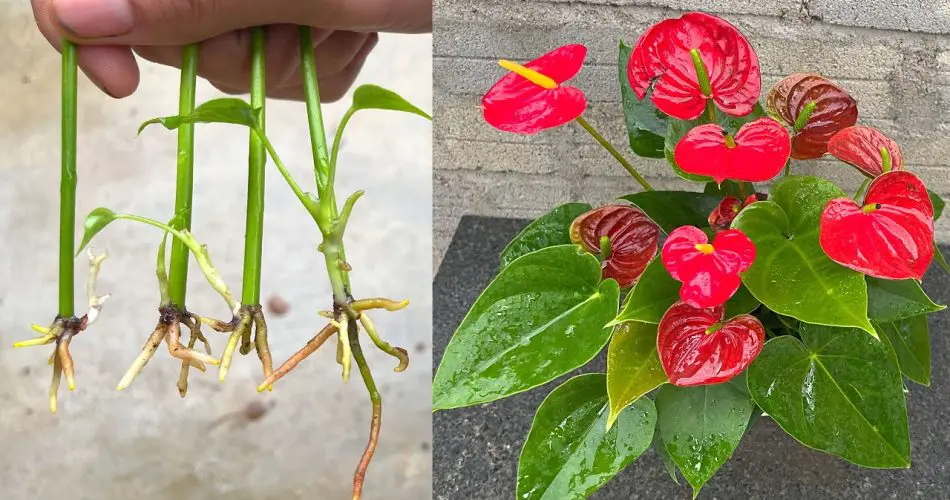
Anthuriums, also known as flamingo flowers or laceleaf, are stunning tropical plants that are famous for their glossy, heart-shaped leaves and vibrant, long-lasting blooms. While they may seem delicate, Anthurium care is relatively straightforward as long as you provide the right environment and attention. Whether you’re a seasoned gardener or a novice, understanding the basics of Anthurium care can help your plant thrive and flourish.
Understanding the Anthurium Plant
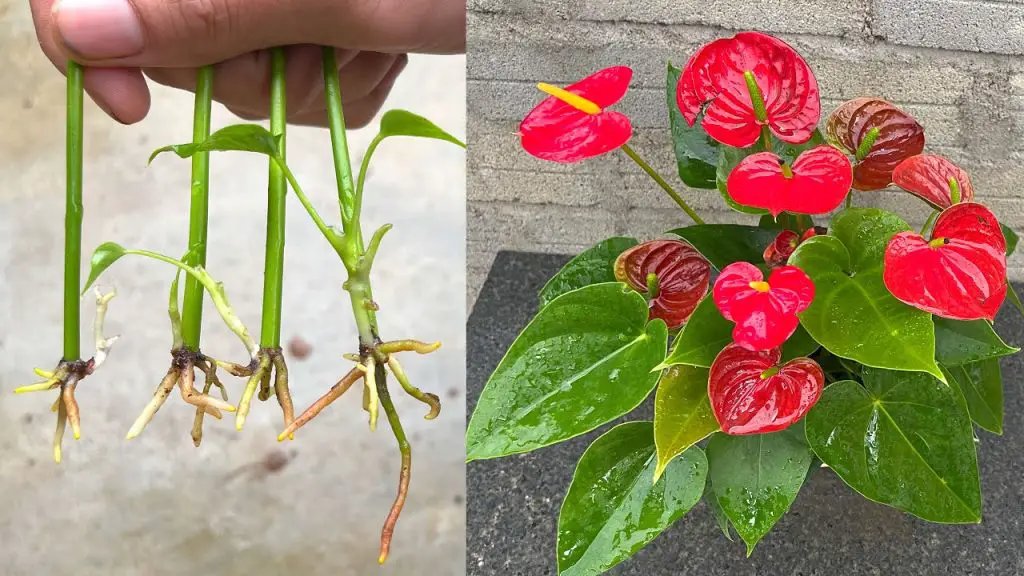
Anthuriums are native to Central and South America and thrive in warm, humid environments. They are commonly grown for their unique, bright red, pink, or white spathes (modified leaves) and spadices (flower spikes). These eye-catching flowers are often used in floral arrangements and as ornamental houseplants. With proper care, your Anthurium plant can produce beautiful blooms for many months.
1. Choosing the Right Location for Your Anthurium
To grow a healthy Anthurium, it’s essential to provide the right environment. These plants thrive in indirect sunlight and temperatures between 65°F and 80°F (18°C-27°C). Here are a few key factors to keep in mind:
- Light: Anthuriums require bright, indirect light for optimal growth. Direct sunlight can scorch their leaves, causing them to turn yellow or brown. A spot near a north or east-facing window is ideal, as it provides plenty of light without being too harsh.
- Temperature: As tropical plants, Anthuriums prefer warm conditions and should not be exposed to temperatures below 50°F (10°C). Keep your plant in a room with stable temperatures, away from drafts, air conditioners, or heaters.
- Humidity: These plants thrive in high humidity. If you live in a dry climate, consider using a humidifier or placing the Anthurium on a humidity tray filled with water and pebbles to maintain a moisture-rich environment. Alternatively, misting the leaves occasionally can help boost the humidity around the plant.
2. Watering Your Anthurium
Proper watering is one of the most important aspects of Anthurium care. Overwatering or underwatering can both lead to stress and poor growth. Here’s how to water your plant effectively:
- Watering Frequency: Water your Anthurium when the top inch of the soil feels dry to the touch. This typically means watering once every 1-2 weeks, but the frequency will vary depending on the humidity and temperature of your home.
- Watering Technique: Always water the plant thoroughly, allowing the water to drain out of the bottom of the pot. This helps ensure that the roots receive enough moisture. Make sure your pot has drainage holes to prevent water from sitting in the bottom and causing root rot.
- Water Quality: Anthuriums are sensitive to chlorine and fluoride in tap water, so it’s best to use filtered or distilled water if possible. If using tap water, let it sit for 24 hours to allow the chemicals to dissipate before watering your plant.
3. Soil and Potting for Anthuriums
Choosing the right soil and pot is critical to the health of your Anthurium plant. These plants prefer soil that is well-draining yet retains some moisture to keep the roots hydrated.
- Soil Type: A light, airy potting mix is ideal for Anthuriums. You can use a peat-based mix, or you can make your own by combining peat moss, perlite, and pine bark for optimal drainage. This will prevent the roots from sitting in water and developing rot.
- Pot Size: Choose a pot that is 1-2 inches larger in diameter than the plant’s current root ball. Ensure that the pot has adequate drainage holes to allow water to escape. This helps prevent water from accumulating at the bottom, which could lead to root rot.
4. Fertilizing Your Anthurium
To keep your Anthurium healthy and blooming, regular fertilizing is important. During the growing season (spring and summer), provide your plant with nutrients to support its growth and flower production.
- Fertilizer Type: Use a balanced, water-soluble fertilizer that is rich in phosphorus to encourage blooms. A general-purpose houseplant fertilizer (20-20-20) or one specifically designed for flowering plants will work well.
- Fertilizing Schedule: Fertilize your Anthurium plant once a month during the growing season (spring and summer). In the fall and winter, when the plant is dormant, you can reduce fertilizing to once every 6-8 weeks or stop altogether.
5. Pruning and Deadheading Anthuriums
Anthuriums don’t require much pruning, but it’s a good idea to remove any dead or damaged leaves and spent flowers to keep the plant looking neat and encourage new growth.
- Deadheading: Cut off spent blooms by snipping the flower stalk at the base of the plant. This will encourage the plant to focus its energy on new flowers and prevent the plant from using resources on dying flowers.
- Pruning Leaves: If you notice any yellowing or damaged leaves, trim them off with a clean pair of scissors or pruning shears. This will keep the plant looking attractive and prevent the spread of disease.
6. Repotting Your Anthurium
Anthuriums don’t need to be repotted frequently, but they should be repotted every 2-3 years or when the plant becomes root-bound (when the roots outgrow the pot).
- When repotting, choose a slightly larger pot with good drainage and fresh potting mix. Gently remove the plant from its old pot and loosen the roots before placing it in the new pot. Fill in with fresh soil and water thoroughly.
Common Problems and Solutions
- Yellow Leaves: Yellowing leaves can indicate overwatering, nutrient deficiencies, or too much direct sunlight. Check your watering routine, ensure the plant is in an appropriate light setting, and consider fertilizing the plant to boost its nutrient intake.
- Brown Leaf Tips: Brown tips are often a sign of low humidity or underwatering. Increase humidity levels around the plant or adjust your watering schedule to prevent the issue.
- Wilting: If your Anthurium is wilting, it may be suffering from root rot caused by overwatering. Check the roots for signs of rot and repot the plant into fresh, well-draining soil if necessary.
Conclusion
Caring for an Anthurium plant can be a deeply rewarding experience. By providing the right lighting, watering, and humidity, along with regular fertilization and occasional pruning, you can enjoy a healthy, vibrant plant that produces stunning blooms year-round. With a little attention and care, your Anthurium will thrive and bring beauty to your home for years to come.