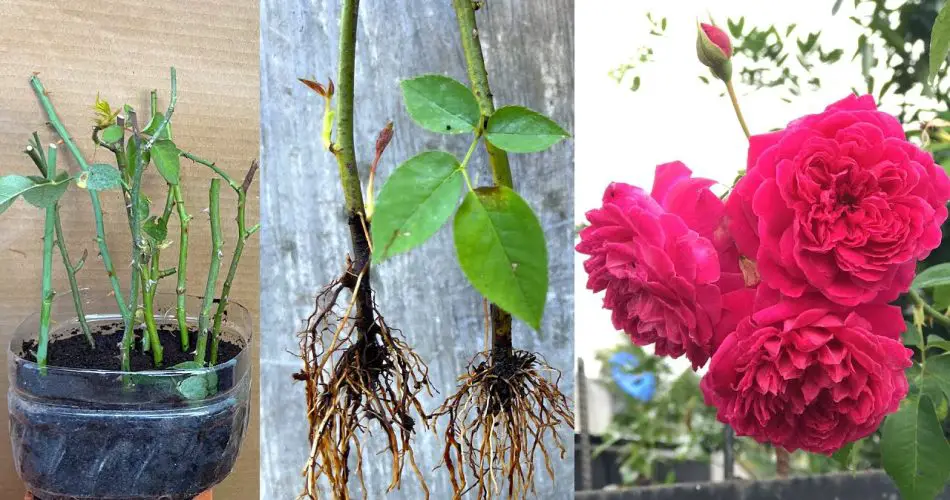
Multiplying roses is a dream for many gardeners, especially those who love growing their collection without spending a fortune. While traditional methods like cuttings and grafting work well, there’s a lesser-known trick that can make rooting even easier: using coffee grounds as a natural stimulant for your rose cuttings. In this article, we’ll explore how coffee carcasses (the remains of coffee grounds after brewing) can help multiply your roses and promote strong root development.

Why Use Coffee Grounds for Rose Propagation?
Coffee grounds are not just waste; they can be a powerful tool in gardening. Here’s why they’re effective when used for rose propagation:
- Rich in Nutrients: Coffee grounds are high in nitrogen, a nutrient essential for plant growth. They also contain small amounts of phosphorus and potassium, which are beneficial for root development and overall plant health.
- Improves Soil Drainage: When added to the soil, coffee grounds can improve drainage, which is vital for roses, as they dislike standing water around their roots.
- Natural Rooting Stimulant: The organic matter in coffee grounds provides the perfect environment for roses to develop roots. Coffee grounds also help retain moisture, reducing the risk of the cutting drying out.
- Pest Deterrent: The acidity of coffee grounds can help keep pests away, ensuring your rose cuttings grow without interference from common garden pests like ants or snails.
Step-by-Step Guide to Multiplying Roses Using Coffee Grounds
Materials You Will Need:
- Fresh rose cuttings (6-8 inches long)
- Coffee grounds (from brewed coffee)
- Sharp pruning shears or knife
- Rooting hormone (optional but recommended for faster results)
- Small containers or pots for planting
- Watering can or spray bottle
Step 1: Prepare the Rose Cuttings
- Choose Healthy Stems: Select healthy stems from a mature rose bush. Ideally, choose semi-hardwood cuttings for better success. Ensure that each cutting is about 6 to 8 inches long, and cut just below a leaf node (the point where leaves are attached to the stem).
- Remove Lower Leaves: Strip off the leaves from the bottom 2-3 inches of the cutting, as this portion will be inserted into the soil. Leave the top leaves intact.
Step 2: Apply Rooting Hormone (Optional)
- Dip the Cutting in Rooting Hormone: To encourage quicker rooting, dip the cut end of the rose stem in rooting hormone. This step is optional, but it can boost the success rate of your propagation.
Step 3: Prepare the Coffee Ground Mixture
- Use Fresh Coffee Grounds: Collect the used coffee grounds from your brewed coffee. Make sure they are fresh and haven’t been sitting for too long.
- Mix Coffee Grounds with Soil: In a small container or pot, mix equal parts of fresh coffee grounds and potting soil. The grounds help improve the soil’s texture and provide essential nutrients. The mixture should be light, well-draining, and slightly moist.
Step 4: Insert the Rose Cutting
- Plant the Cutting: Make a small hole in the soil mixture and gently insert the cut end of the rose cutting into the soil. Firmly press the soil around the cutting to ensure it stays upright and supported.
- Cover the Cutting: If desired, you can cover the cutting with a plastic bag or clear plastic dome to increase humidity. This will create a mini-greenhouse effect, helping the cutting to stay moist and root faster.
Step 5: Water and Maintain the Cutting
- Water the Cutting: Lightly water the cutting to ensure the soil stays moist but not waterlogged. You can use a spray bottle to mist the cutting regularly, keeping it humid without overwatering.
- Place in a Warm Location: Put the pot in a warm, bright spot but out of direct sunlight. Indirect light is perfect, as direct sun can cause the cutting to dry out too quickly.
Step 6: Wait for Roots to Develop
- Check for Rooting: After about 4-6 weeks, check for root development by gently tugging on the cutting. If you feel resistance, the roots have formed! At this point, you can transplant the new rose plant into a larger pot or directly into your garden.
Why This Method Works So Well
- Coffee Grounds Are a Natural Fertilizer: Roses, like many plants, benefit from the additional nutrients in coffee grounds, especially nitrogen, which supports new growth.
- Moisture Retention: The coffee grounds help retain moisture around the cutting, which is crucial for preventing dehydration. Roses need moisture to develop roots, and coffee grounds create a favorable environment for this process.
- Encourages Strong Root Growth: The organic matter and stimulants in coffee grounds, combined with the nurturing environment of the cutting, encourage a strong root system to form quickly.
Additional Tips for Successful Rose Propagation
- Don’t Overwater: While coffee grounds help retain moisture, make sure not to overwater your cuttings. Roses prefer slightly dry conditions rather than soggy soil.
- Choose the Right Rose Varieties: Some varieties of roses are easier to propagate than others. Experiment with hybrid teas, floribundas, or climbing roses, which tend to root easily.
- Prune Regularly: Once the new roses have rooted and grown, don’t forget to prune them to encourage healthy growth and blooming.
Conclusion
Using coffee grounds to propagate roses is a simple, sustainable, and surprisingly effective method for multiplying your roses at home. By combining the nutrients from coffee grounds with the natural rooting abilities of rose cuttings, you can boost your success rate and grow beautiful, healthy roses with minimal effort. Whether you’re a beginner or an experienced gardener, this easy technique is a must-try for anyone looking to expand their rose garden or propagate their favorite blooms. Try it out, and watch your rose collection grow effortlessly with the power of coffee grounds!