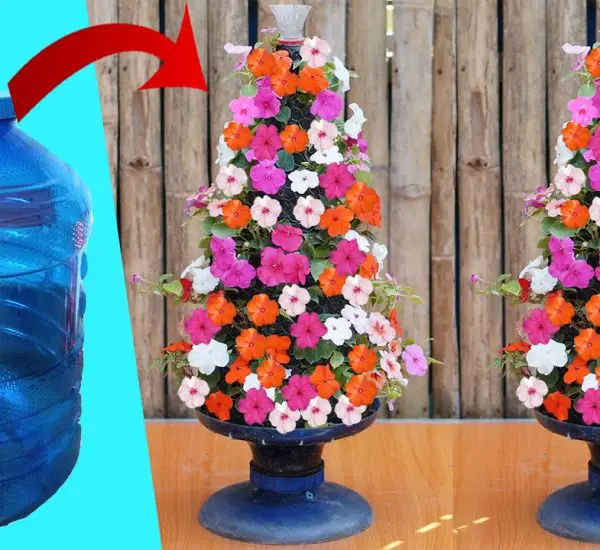
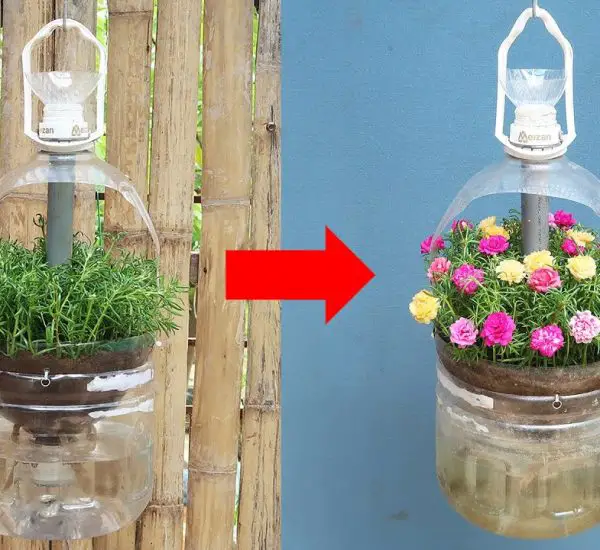
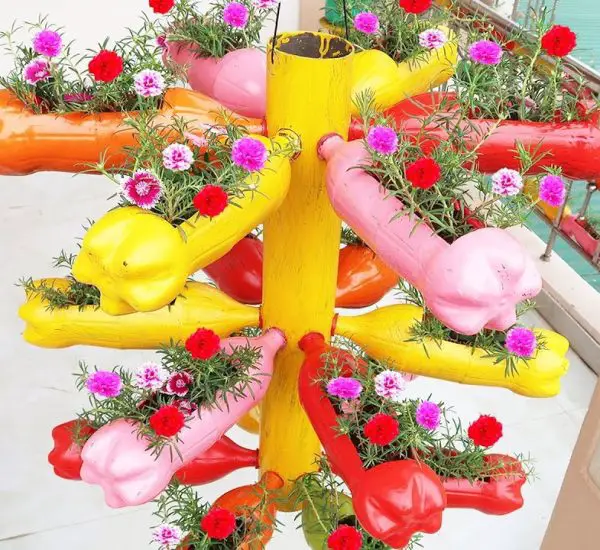
Petunias are one of the most vibrant, colorful, and easy-to-grow flowers, making them a favorite choice for garden lovers. With the right breeding techniques, you can multiply your petunia plants effortlessly and create a lush, beautiful garden filled with these stunning blooms. Whether you have a small balcony, a backyard, or a hanging garden, learning how to propagate petunias will allow you to enjoy more flowers at little to no cost!
Let’s explore simple and creative ways to grow petunias and make your garden truly breathtaking.

1. Why Grow Petunias?
🌸 Low maintenance – Petunias are easy to grow and require minimal care.
🌸 Long blooming season – They bloom continuously from spring to fall.
🌸 Variety of colors – Available in purple, pink, red, white, and yellow.
🌸 Perfect for any space – They thrive in pots, hanging baskets, and garden beds.
💡 Tip: Petunias not only add beauty to your garden but also attract butterflies and bees, making them a great choice for a pollinator-friendly garden.
2. Best Methods for Propagating Petunias
There are two main ways to propagate petunias:
✅ Growing petunias from seeds
✅ Propagating petunias from cuttings
Both methods are effective and simple, so you can choose the one that works best for you!
3. Growing Petunias from Seeds
🌱 Step 1: Collecting Seeds
- After petunia flowers wither and dry, they produce tiny seed pods.
- Wait for the pods to turn brown, then carefully collect the seeds.
🌱 Step 2: Planting the Seeds
1️⃣ Fill a seed tray with light, well-draining soil.
2️⃣ Sprinkle the petunia seeds on top—do not bury them, as they need light to germinate.
3️⃣ Mist the soil with water and cover with a plastic wrap to retain moisture.
4️⃣ Place the tray in a warm, sunny spot (70-75°F or 21-24°C).
🌱 Step 3: Caring for Seedlings
- Petunia seeds take 10-14 days to germinate.
- Once the seedlings are 2 inches tall, transplant them into small pots or directly into your garden.
- Water gently and provide plenty of sunlight.
💡 Tip: Using a seed-starting mix helps improve germination rates and gives your petunias a strong start.
4. Propagating Petunias from Cuttings (Fastest Method!)
If you want faster results, propagating petunias from cuttings is the best method!
✂️ Step 1: Take Cuttings
- Choose a healthy petunia plant with strong stems.
- Cut a 4-6 inch stem just below a leaf node.
- Remove the bottom leaves, keeping only the top few leaves.
🌱 Step 2: Prepare for Rooting
1️⃣ Dip the cut end in rooting hormone (optional but recommended for faster growth).
2️⃣ Plant the cutting in a pot with moist soil or a glass of water.
3️⃣ Keep in a warm place with indirect sunlight.
🌿 Step 3: Transplanting
- After 2-3 weeks, roots will start forming.
- Once the roots are 1-2 inches long, transplant the cutting into a larger pot or your garden.
- Water regularly and watch your petunia grow into a beautiful flowering plant!
💡 Tip: For bushy petunias, pinch off the top growth once your plant is 6 inches tall to encourage more branches and flowers.
5. Caring for Your Petunia Garden
Once your petunias are established, follow these simple care tips to keep them healthy and full of flowers.
☀️ Sunlight: Petunias love full sun (at least 6 hours a day).
💧 Watering: Water regularly, but avoid overwatering—petunias hate soggy soil!
🌱 Fertilizing: Feed with a balanced fertilizer (NPK 10-10-10) every 2 weeks.
✂️ Pruning: Remove dead flowers (deadheading) to encourage continuous blooming.
💡 Tip: If your petunias start looking leggy, trim them back by 1/3 of their length to promote new growth and more flowers.
Final Thoughts
With these simple and creative propagation techniques, you can easily grow petunias and transform your garden, balcony, or patio into a vibrant floral paradise. Whether you grow from seeds or cuttings, petunias will reward you with beautiful, long-lasting blooms that bring color and joy to any space.
Start growing petunias today and enjoy a flourishing, colorful garden! 🌸🌿✨