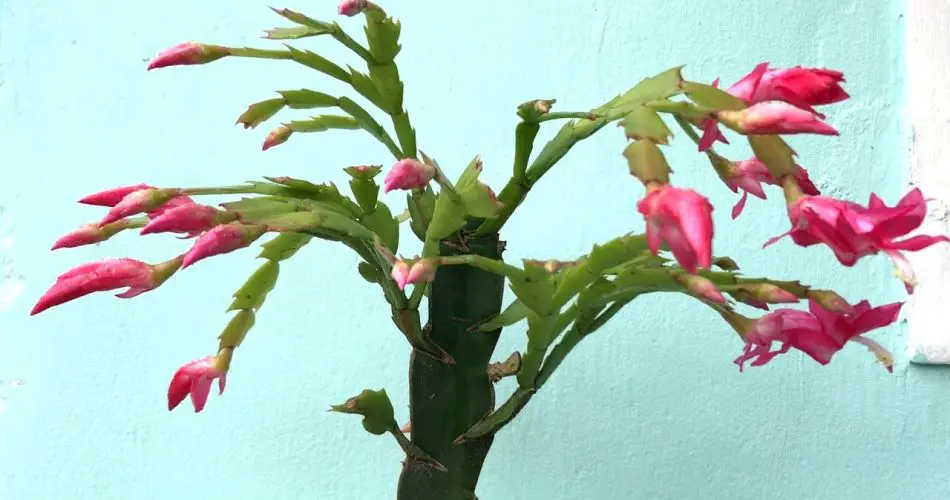
The Christmas Cactus (scientifically known as Schlumbergera) is a beloved holiday plant that produces vibrant, showy flowers during the winter season, making it the perfect festive addition to your home. If you’re lucky enough to have a Christmas Cactus in bloom, you’ll know that its stunning flowers in shades of red, pink, white, or purple bring a warm, cheerful touch to the holiday season. In this guide, we’ll show you how to care for your Christmas Cactus and ensure it blooms beautifully each year.

1. What is a Christmas Cactus?
The Christmas Cactus is a type of epiphytic cactus, native to the rainforests of Brazil. Unlike desert cacti, which thrive in dry, arid conditions, Christmas Cacti grow in the humid, shaded environments of the tropical forests. This difference in their natural habitat means that Christmas Cacti have specific care requirements, especially when it comes to watering, light, and temperature.
2. Why Does the Christmas Cactus Bloom at Christmas?
The Christmas Cactus earns its name because it often blooms around Christmas time, but it can actually bloom at different points throughout the holiday season, depending on the conditions. Its blooming period typically begins in late November and can last through December or even into January. The flowers appear on the flat, segmented stems of the plant, and their bright colors are a stark contrast to the often-gray winter days.
The plant’s ability to bloom around the holidays is triggered by short-day conditions. This means the cactus needs dark, cool nights and bright, indirect light during the day to set buds and flower. Proper temperature regulation and photoperiod control are key to achieving the perfect Christmas bloom.
3. Caring for Your Christmas Cactus
To ensure your Christmas Cactus thrives and produces its spectacular blooms, it’s important to provide the right care. Here’s how to keep your cactus healthy:
Watering
- Unlike desert cacti, Christmas Cacti prefer a more moist environment. During their growing season (spring and summer), water them regularly when the soil feels dry to the touch. In the fall and winter, reduce watering to allow the plant to rest before blooming.
- Avoid letting the plant sit in standing water as this can lead to root rot. Make sure your pot has proper drainage.
- Always water the plant thoroughly until water runs out of the bottom of the pot, then let it drain completely.
Lighting
- Christmas Cactus needs bright, indirect light. Too much direct sunlight can scorch the leaves and prevent blooming. A windowsill with filtered sunlight or a spot away from direct light is ideal.
- To encourage blooming, reduce light exposure for at least 12-14 hours a day starting about 6 weeks before you want it to bloom. During this time, the plant should be kept in a cool, dark place at night (around 50-55°F or 10-13°C).
Temperature
- The ideal temperature range for a Christmas Cactus is between 60°F and 70°F (15°C – 21°C). During the blooming period, it’s best to keep the plant in a cool room.
- Avoid placing your cactus near heat sources like radiators, heating vents, or drafty windows, as extreme temperature fluctuations can hinder blooming.
Fertilizing
- During the growing season, feed your Christmas Cactus with a balanced, water-soluble fertilizer. A low-phosphorus fertilizer is ideal for promoting healthy blooms.
- Stop fertilizing about one month before you expect blooms to allow the plant to focus on flowering rather than growing.
Repotting
- Christmas Cacti do not need frequent repotting. If the plant has outgrown its pot, repot it in spring after blooming.
- Choose a pot that is slightly larger than the current one, and use a well-draining cactus or succulent mix.
4. Encouraging Your Christmas Cactus to Bloom
While Christmas Cactus is relatively easy to care for, it does have some specific needs to trigger blooming. Here’s how you can encourage your cactus to produce flowers:
Control Light and Dark Cycles
- To initiate blooming, shorten the amount of light your plant gets each day starting in early fall (around October). This means keeping the cactus in a dark, cool place for 12-14 hours per day for about 6 weeks.
- During the day, keep it in a location with bright, indirect light for the remaining 10-12 hours.
Reduce Watering
- In the months leading up to the bloom, reduce watering to allow the plant to enter a period of rest. During this time, the plant won’t need as much moisture, and reducing water stress can trigger the bloom.
Temperature Control
- Keep your Christmas Cactus in a cool space with nighttime temperatures around 50-55°F (10-13°C) during the flowering period. This cool environment, combined with shorter daylight hours, simulates the plant’s natural conditions in the wild and encourages blooming.
5. Common Issues with Christmas Cactus
Like any plant, Christmas Cactus can experience some issues that may affect its health or blooming. Here are a few common problems and their solutions:
No Blooms
- If your Christmas Cactus fails to bloom, it’s often due to too much light or insufficient cool, dark periods. Ensure that the plant gets proper light exposure (12-14 hours of darkness) and is kept in a cool space during the bloom period.
Yellowing or Dropping Leaves
- Yellowing or dropping leaves can indicate overwatering or too much direct sunlight. Make sure you’re watering properly and placing the cactus in a location with bright, indirect light.
Root Rot
- Root rot is a common issue caused by overwatering or poor drainage. If you notice soft, mushy roots, it may be time to repot your plant into fresh, well-draining soil.
6. Aftercare for Christmas Cactus
After the Christmas Cactus has finished blooming, you can keep it healthy by following these steps:
- Cut back on watering once the flowers fade. Allow the plant to enter a resting phase until the next growing season.
- Trim back leggy growth after flowering to help maintain its shape and encourage new growth.
- Repot the cactus every 2-3 years, but only after the blooming season.
Key Takeaways:
- Christmas Cactus thrives in cool, dark environments with bright, indirect light during the day to encourage blooming.
- Use short day cycles to trigger blooms by providing 12-14 hours of darkness each day for about 6 weeks before Christmas.
- Ensure your plant is in a well-draining pot and avoid overwatering to prevent root rot.
- Once the blooms fade, allow the plant to rest by cutting back on water and light exposure.
The Christmas Cactus is a wonderful plant to enjoy during the holiday season, with its stunning blooms bringing a touch of color and joy to your home. With the right care and attention, you can look forward to beautiful cactus flowers year after year—making it a beloved part of your festive decorations!