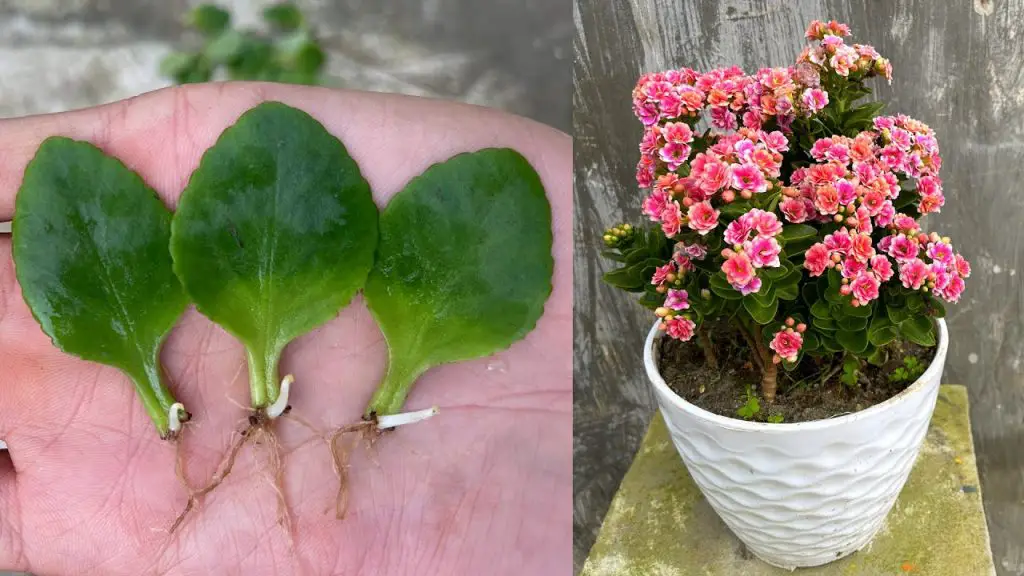
Kalanchoe is a beautiful, vibrant plant that brings a burst of color to any space, especially with its pink flowers. Known for its ease of care and striking blooms, Kalanchoe is a fantastic choice for anyone looking to add a splash of color to their home or garden. One of the most rewarding ways to propagate this plant is by planting Kalanchoe with leaves. In this article, we’ll guide you through the simple steps to grow a healthy, flowering Kalanchoe plant using just the leaves. Let’s dive in!
Why Choose Kalanchoe for Your Home?
Kalanchoe is a succulent plant known for its ability to thrive in dry conditions. Its fleshy leaves and vibrant flowers make it a standout in any indoor or outdoor garden. Some reasons to choose Kalanchoe include:
- Low maintenance: It requires minimal care and can survive with infrequent watering.
- Beautiful blooms: Kalanchoe flowers come in various colors, including pink, red, yellow, and white.
- Air purifying: Like many succulents, Kalanchoe can help purify the air in your home, making it both an attractive and functional plant.
How to Propagate Kalanchoe with Leaves
One of the easiest ways to grow Kalanchoe is by using leaf cuttings. Propagating the plant in this way allows you to multiply your collection of this gorgeous succulent without needing to start from seeds. Here’s how to do it:
Step 1: Choose the Right Leaves
Start by selecting healthy leaves from an established Kalanchoe plant. Look for leaves that are plump, green, and free of any signs of disease or damage. Avoid leaves that are yellowing or rotting.
Step 2: Cut the Leaves
Using a sharp, sterile pair of scissors or pruning shears, cut the selected leaves from the stem. Ensure that the leaves are cut cleanly at the base, leaving no excess stem attached. Avoid cutting too close to the plant, as this could damage the parent plant.
Step 3: Let the Leaves Callus
After cutting, allow the leaves to dry out for a few days in a shaded area. This step is important because it helps the cut edges of the leaf form a callus, which will prevent the leaf from rotting when planted.
Step 4: Prepare the Planting Medium
For optimal growth, Kalanchoe needs a well-draining soil mix. Use a succulent mix or create your own by combining equal parts of cactus soil, perlite, and sand. Make sure the pot or container has drainage holes to prevent waterlogging, which can cause the leaves to rot.
Step 5: Plant the Leaves
Once the leaves have callused, it’s time to plant them. Gently press the cut end of the leaf into the prepared soil, about 1 inch deep. The leaf doesn’t need to be buried completely, just enough to stay in place.
- You can plant the leaves in a shallow seed tray or small pots, depending on how many leaves you are propagating.
- Space the leaves apart to give them room to grow.
Step 6: Water the Leaves Lightly
Water the soil lightly after planting the leaves. Kalanchoe roots don’t need a lot of moisture to start with, so be sure not to overwater. A light misting is often sufficient in the beginning. As the leaves begin to grow roots, you can gradually increase the watering frequency.
Step 7: Provide the Right Conditions
For successful propagation, place your leaf cuttings in a location with plenty of indirect sunlight. A bright windowsill or an area with filtered light works well. Keep the temperature between 60-85°F (16-29°C) to encourage healthy root development.
During the propagation phase, avoid direct sunlight, which could scorch the leaves.
Step 8: Wait for Roots to Develop
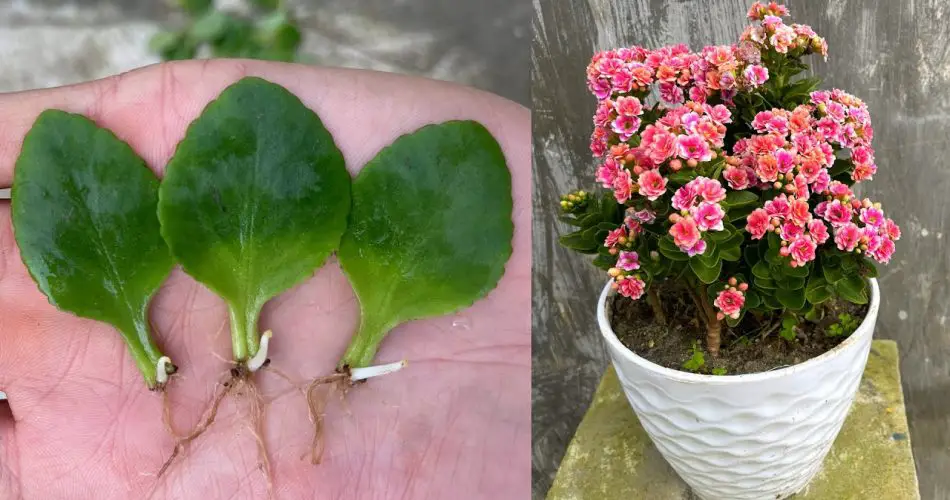
In about 2-4 weeks, you should start to see roots developing from the cut end of the leaf. Once the roots are well established, you’ll notice small shoots or pups emerging from the base of the leaf. These will eventually grow into new Kalanchoe plants.
Step 9: Transplant the New Plant
Once your Kalanchoe seedlings are large enough to handle, gently transplant them into individual pots. Continue to care for them by providing the same well-draining soil, indirect sunlight, and light watering. With time, the new plants will grow into mature Kalanchoe plants with vibrant pink flowers.
Care Tips for Healthy Kalanchoe Plants
To ensure your Kalanchoe plants thrive, here are a few care tips:
- Watering: Kalanchoe is drought-tolerant, so let the soil dry out between waterings. Avoid overwatering, as this can lead to root rot.
- Sunlight: Provide your plant with bright, indirect sunlight for at least 4-6 hours a day.
- Fertilizing: Feed your Kalanchoe with a balanced liquid fertilizer every 4-6 weeks during the growing season (spring and summer).
- Pruning: Remove any dead or damaged leaves to encourage healthy growth.
Conclusion
Planting Kalanchoe with leaves is a simple and rewarding way to propagate this stunning plant. With just a few easy steps, you can create new Kalanchoe plants that will bloom beautifully in pink, adding life and color to your home or garden. By following these guidelines, you’ll enjoy a flourishing collection of Kalanchoe plants and the satisfaction of growing them from just a leaf. Happy gardening!