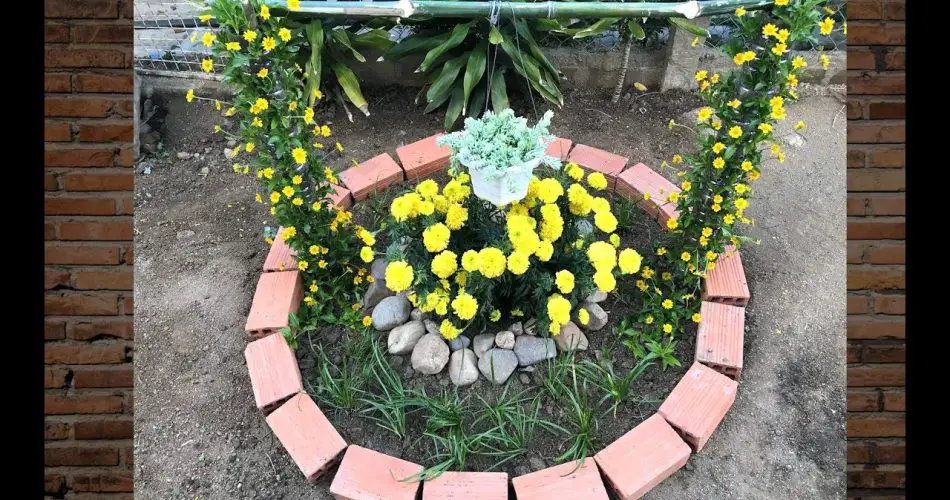
A garden well is more than just a decorative feature; it can be a functional and beautiful addition to any backyard. Whether you’re looking to add a charming focal point, improve your garden’s water accessibility, or create a sustainable watering system, a well can enhance the aesthetic and practicality of your outdoor space. Here’s why a garden well is a good idea and how you can incorporate one into your garden design.
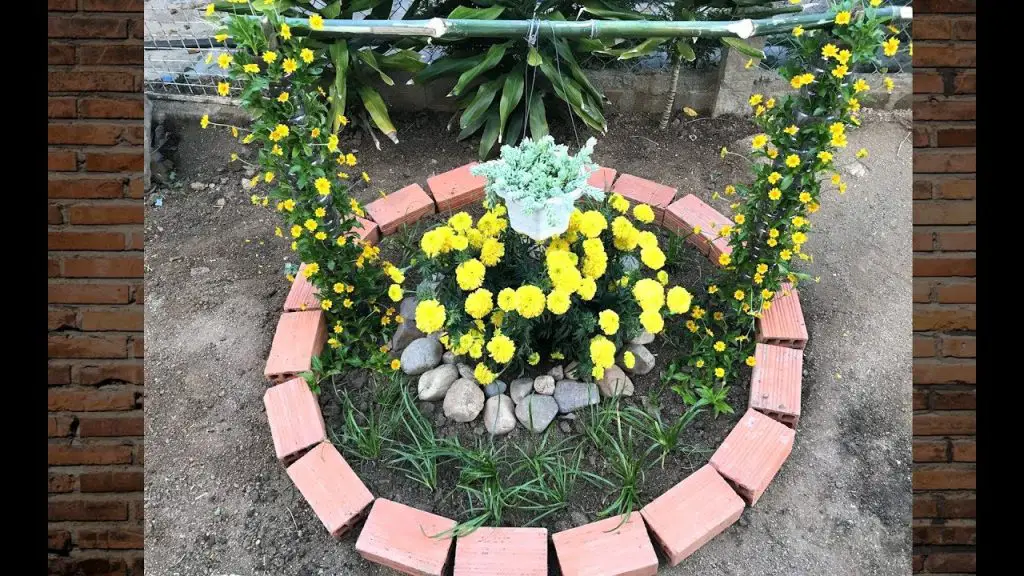
What is a Garden Well?
A garden well is a decorative and functional feature typically designed to resemble a traditional well. It can serve as a visual focal point, or it can be used to hold plants, flowers, or even act as a watering source for your garden. Garden wells come in various sizes and styles, from small, decorative pieces to larger, more intricate designs. They can be made from stone, wood, or even metal, depending on the aesthetic you want to achieve.
Why Consider a Garden Well?
Adding a garden well to your space offers many benefits:
- Aesthetic Appeal: A well can add an element of charm and rustic elegance to your garden. It can evoke a feeling of nostalgia and tranquility, making your garden feel like a peaceful retreat.
- Water Efficiency: If designed correctly, a garden well can be used as a rainwater harvesting system, providing a sustainable and eco-friendly way to water your garden.
- Functional Space: A well can act as a container for various plants or flowers, allowing you to grow climbing plants or create an artistic display with vines or trailing flowers.
Step 1: Plan Your Garden Well Location
The first step to creating a garden well is choosing the right location. Consider the following factors:
- Visibility: Position the well in a prominent area of your garden where it can be easily admired. It can serve as a centerpiece for your landscape design or be placed in a corner to create a more intimate space.
- Proximity to Watering Needs: If you’re planning to use the well for rainwater harvesting, ensure it’s close to your garden’s watering system or plants that need the most water.
- Space Requirements: Make sure you have enough space for the well and any plants or structures you want to add around it. You want the well to be a feature, not something that overcrowds the space.
Step 2: Choose the Right Style for Your Garden Well
Once you’ve selected the location, it’s time to choose the style and design of your garden well. There are several different approaches:
- Traditional Garden Well: A classic option is a stone or brick well that can either be functional or purely decorative. These can be paired with a rope and bucket for added authenticity.
- Wooden Well: For a more rustic or country-style garden, a wooden well made from reclaimed or treated wood can be a great option. You can even add a thatched roof for additional charm.
- Modern Well: If your garden has a more contemporary design, consider a well made from metal, ceramic, or concrete. These materials offer sleek lines and a more minimalist aesthetic.
Step 3: Consider Functionality and Water Harvesting
A garden well can be both decorative and functional, especially if you decide to incorporate a water harvesting system. Here’s how you can make your garden well practical:
- Rainwater Collection: If you live in an area with frequent rainfall, you can install a rainwater collection system at the top of the well. The collected water can be used to irrigate your garden, saving you money on your water bill and reducing your environmental footprint.
- Watering System: You can use the well as part of a drip irrigation system, where water is slowly dispensed to your plants through a hose connected to the well. This ensures efficient watering and reduces water waste.
- Pumps: For larger gardens or to reach plants in higher areas, you might consider adding a small pump to the well. This pump can help you draw water from a rainwater storage tank or another nearby water source.
Step 4: Incorporate Plants Around the Well
A garden well is an excellent place to incorporate plants and flowers into your landscape. Here are a few ways to creatively integrate plants into your well design:
- Climbing Plants: Use the well as a support for climbing plants, such as morning glories, sweet peas, or clematis. These plants can be trained to grow up and around the well, creating a green, lush appearance.
- Hanging Baskets: Add hanging baskets from the top of the well to feature trailing plants like ivy, petunias, or lobelia. These flowers can cascade down and create a soft, romantic effect.
- Plants in Containers: If you have a larger garden well, you can plant a variety of flowers or herbs inside the well itself. Consider using plants like succulents, ferns, or herbs that thrive in containers.
Step 5: Add Decorative Elements
To make your garden well even more charming, consider adding some decorative touches:
- Lighting: Place solar-powered lights around the well or inside the well to create a warm, inviting glow at night.
- Stone Path: Create a stone pathway leading up to the well, guiding visitors’ eyes toward this focal point.
- Rustic Accents: Consider adding a small wooden bench nearby, or a wind chime, for additional interest and a peaceful atmosphere.
- Water Features: If you want to go all-in, you could install a small fountain or water feature inside or near the well. This would add a tranquil sound to your garden, enhancing the ambiance.
Step 6: Maintain Your Garden Well
Proper maintenance will help your garden well stay functional and beautiful for years to come:
- Check for Leaks: If your well is part of a rainwater harvesting system, make sure to check for leaks or damage regularly. Ensure that all connections are secure to avoid water wastage.
- Clean the Water: If the well holds water, make sure to clean it out regularly to prevent algae build-up or debris accumulation.
- Trim Plants: Keep any climbing or trailing plants tidy and well-pruned to ensure they don’t overwhelm the well structure.
Conclusion
Incorporating a garden well into your landscape is a fantastic way to add charm, functionality, and eco-friendly features to your outdoor space. Whether you use it for rainwater harvesting, as a decorative feature, or to grow beautiful plants, a garden well can be the perfect addition to any garden. By following these simple steps, you can create a beautiful and sustainable garden well that not only enhances the aesthetic of your backyard but also contributes to a greener, more self-sufficient garden. Happy gardening!