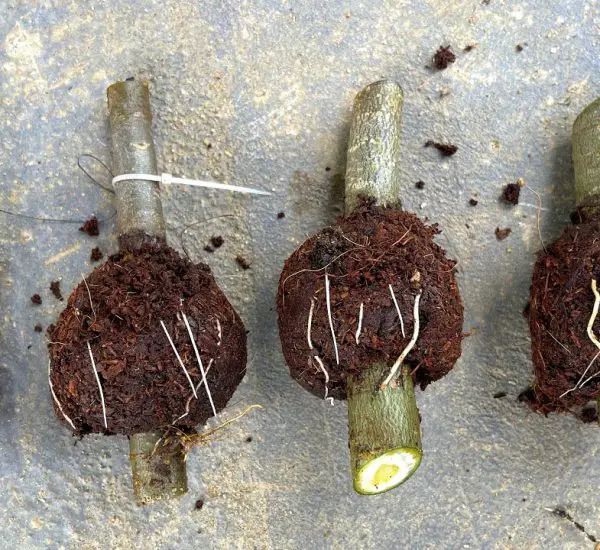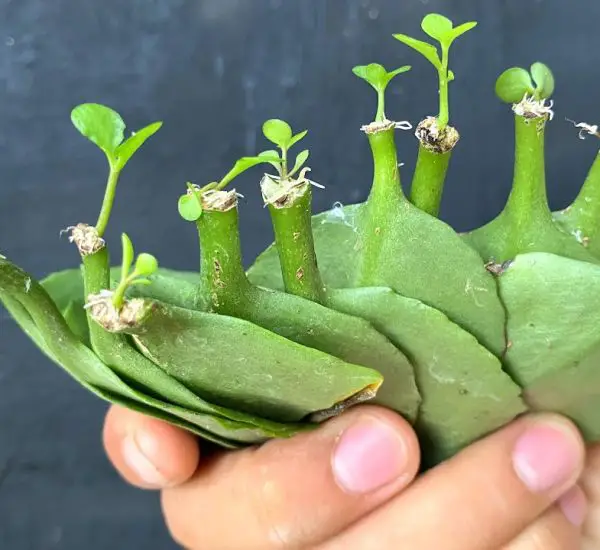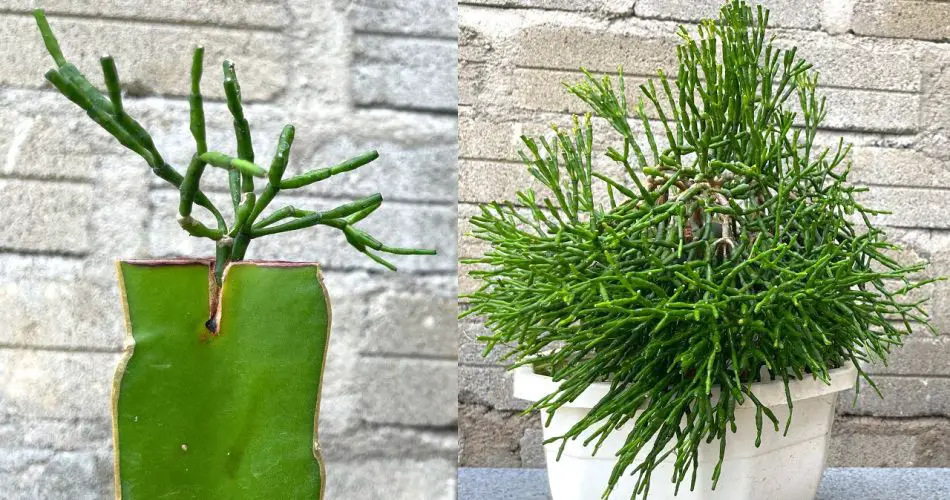
Grafting succulent plants is a fascinating technique that allows gardeners to create unique, visually striking forms, including the beloved bonsai shape. This method not only enhances the aesthetic appeal of succulents but also combines the strengths of different plants. Here’s a closer look at this creative gardening technique and how to achieve beautiful results.
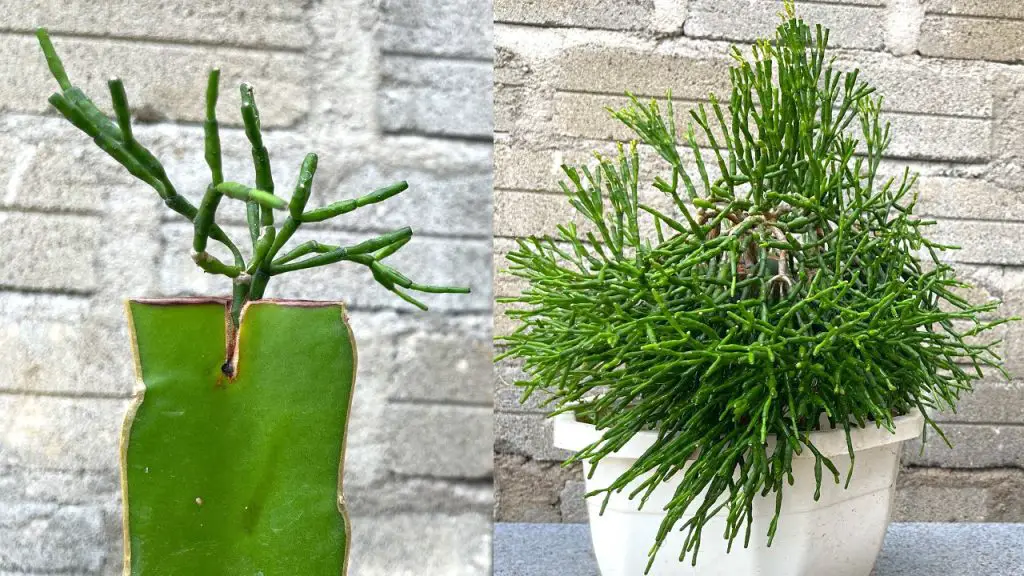
What is Grafting?
Grafting is the process of joining parts of two different plants together so that they grow as one. This technique is commonly used in horticulture to propagate plants and enhance their qualities. In the case of succulents, grafting can create interesting shapes, improve growth rates, and even produce vibrant colors.
Why Choose Succulent Plants for Grafting?
- Variety: Succulent plants come in an incredible array of shapes, sizes, and colors, providing endless possibilities for creativity.
- Adaptability: Many succulents are hardy and can tolerate different environmental conditions, making them ideal candidates for grafting.
- Aesthetic Appeal: Grafted succulents can exhibit stunning colors and forms, allowing gardeners to create miniature landscapes or bonsai designs.
Steps to Graft Succulent Plants
- Select Your Plants: Choose a rootstock (the plant that will provide the roots) and a scion (the plant part you want to graft). Common combinations include grafting a colorful cactus onto a more robust succulent base.
- Prepare the Cuttings:
- Use a sterilized knife to make clean cuts. Cut the scion at an angle to increase the surface area for better adhesion.
- Trim the rootstock to match the size of the scion for a secure fit.
- Join the Pieces:
- Align the cut surfaces of the scion and rootstock closely. Secure them together with grafting tape or a rubber band to hold them in place.
- Care for the Graft:
- Place the grafted succulent in a shaded area for a few weeks to allow the tissues to fuse together. Ensure it remains in a warm, dry environment.
- After a few weeks, gradually expose the plant to light, promoting healthy growth.
- Shape the Bonsai:
- As the plant grows, you can prune and shape it to achieve the desired bonsai effect. Regular trimming encourages bushy growth and maintains the miniature aesthetic.
Benefits of Grafting Succulents for Bonsai
- Enhanced Growth: Grafting can combine the vigor of one plant with the unique traits of another, resulting in a healthier, more resilient plant.
- Unique Designs: This method allows for the creation of unusual shapes and forms that can mimic traditional bonsai styles.
- Color Variations: Grafting different succulent varieties can produce a spectrum of colors, adding visual interest to your garden.
Conclusion
Grafting succulent plants to create a bonsai shape is a rewarding and creative gardening technique. By combining the strengths of different species, you can craft stunning, miniature works of art that enhance any indoor or outdoor space. Whether you are a seasoned gardener or a beginner, this method offers a unique way to explore the beauty of succulents while embracing the art of bonsai!