A beautiful garden filled with colorful flowers is a dream for many homeowners. Whether you’re looking to create a serene retreat or add a splash of color to your outdoor space, growing beautiful flowers is a rewarding and fulfilling endeavor. With the right knowledge and care, you can enjoy a stunning garden full of blooming beauties throughout the year.
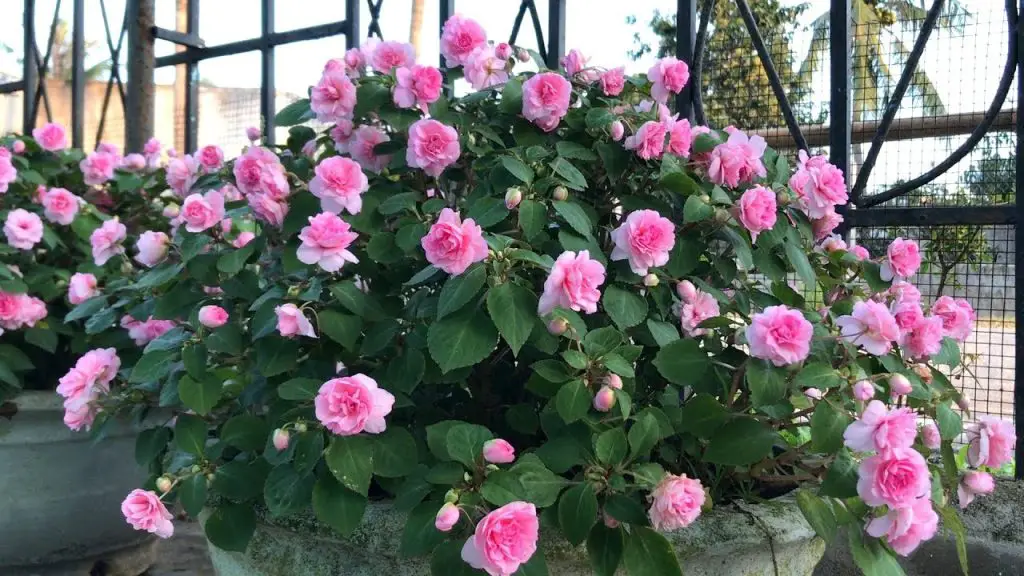
In this article, we will provide essential tips and guidelines for growing beautiful flowers, covering everything from selecting the best flowers for your garden to tips for ensuring healthy, vibrant blooms.
Choosing the Right Flowers for Your Garden
When it comes to flower gardening, choosing the right flowers is key to ensuring a beautiful and long-lasting garden. Consider the following factors when selecting flowers:
- Climate and Temperature: Make sure to choose flowers that thrive in your climate zone. Some flowers flourish in sunny, warm climates, while others do better in cooler, shaded environments.
- Soil Type: Different flowers have varying soil needs. Some prefer well-draining, sandy soil, while others grow best in rich, loamy soil.
- Sunlight: Consider the amount of sunlight your garden receives. Some flowers require full sun (at least six hours of sunlight per day), while others do better in partial shade.
- Bloom Time: Choose flowers that bloom at different times of the year to ensure that you have flowers in your garden from spring to fall.
Popular Flowers to Grow in Your Garden
Here are some beautiful flowers you can grow at home to create a colorful garden:
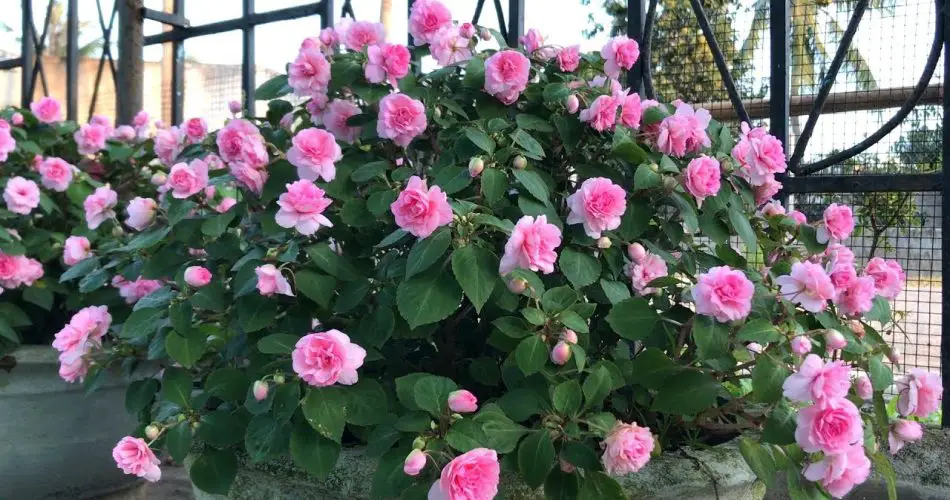
- Roses: Known for their classic beauty and variety of colors, roses are a timeless choice for any garden. They require plenty of sunlight and well-drained soil. Consider varieties like climbing roses for trellises or shrub roses for borders.
- Tulips: These spring-blooming flowers come in a wide range of colors and are perfect for adding vibrancy to your garden. Tulips grow best in cooler climates and require well-draining soil.
- Sunflowers: Known for their bold, sunny yellow blooms, sunflowers are an excellent choice for gardens that receive plenty of sunlight. They are easy to grow and thrive in well-drained, fertile soil.
- Lavender: Not only is lavender beautiful, but it also fills your garden with its soothing fragrance. This drought-tolerant plant thrives in sunny spots and well-drained soil.
- Daisies: Known for their simple beauty, daisies are perfect for both beginner and experienced gardeners. They require full sun and are fairly low-maintenance, making them ideal for borders and flower beds.
- Peonies: Peonies are a favorite among gardeners for their large, fragrant blooms. These flowers require well-drained soil, sunny conditions, and regular watering.
Planting and Caring for Your Flowers
Once you’ve selected the flowers you want to grow, the next step is planting them in the right conditions. Follow these tips for successful flower planting:
- Prepare the Soil: Before planting, ensure that the soil is fertile and well-draining. Add compost or organic matter to improve soil quality and ensure your flowers receive the nutrients they need.
- Planting Depth: Plant flowers at the correct depth. As a general rule, plant seeds or bulbs at a depth of two to three times the size of the seed or bulb.
- Watering: Consistent watering is crucial for flower growth. However, be cautious of overwatering, as it can lead to root rot. Water flowers when the top inch of soil feels dry, and be sure to water the roots rather than the leaves to prevent mold and disease.
- Mulching: Applying a layer of mulch around your flowers helps retain moisture, suppress weeds, and regulate soil temperature. Use organic materials like wood chips or straw as mulch.
- Fertilizing: Feed your flowers with fertilizer to encourage strong growth and vibrant blooms. Use a balanced fertilizer that contains nitrogen, phosphorus, and potassium, or consider using organic options like compost or fish emulsion.
- Deadheading: Remove spent flowers (those that have already bloomed and started to fade) to encourage new growth and extend the blooming period.
Common Flowering Plant Problems and How to Avoid Them
While flower gardening is generally rewarding, it’s important to keep an eye out for potential issues. Here are some common problems you might encounter and tips for avoiding them:
- Pests: Insects like aphids, slugs, and whiteflies can damage your flowers. Use organic insecticides, such as neem oil, or encourage natural predators like ladybugs to keep pests at bay.
- Disease: Fungal diseases like powdery mildew and black spots can affect your flowers. Ensure good air circulation around plants, water at the soil level, and remove infected leaves to prevent the spread of disease.
- Nutrient Deficiency: Yellowing leaves may indicate a nutrient deficiency. Ensure your flowers are receiving the proper nutrients by using a balanced fertilizer or adding compost to enrich the soil.
Conclusion
Growing beautiful flowers for your garden is a rewarding and enjoyable experience. By choosing the right flowers, preparing the soil, and providing the proper care, you can create a garden that is both colorful and healthy. Whether you’re planting roses, sunflowers, or lavender, the effort you put into caring for your flowers will pay off with stunning blooms that brighten your garden and your day. Happy gardening!