Pelargonium hortorum, commonly known as the zonal geranium, is a popular flowering plant known for its vibrant blooms and attractive foliage. Whether you’re growing them for their stunning flowers or lush, rounded leaves, these plants are a fantastic addition to gardens, containers, and windowsills. If you’re looking to grow Pelargonium hortorum successfully and enhance both its leaves and flowers, this guide will provide you with essential tips and techniques.
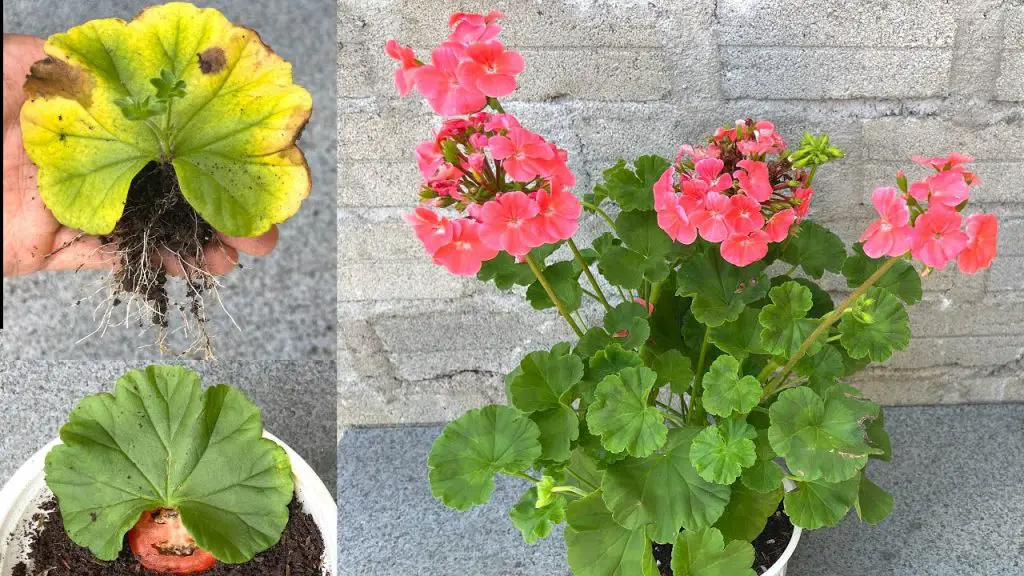
Why Focus on Growing Pelargonium Hortorum with Healthy Leaves?
Pelargonium hortorum is typically grown for its colorful flowers, but the leaves are equally important. Healthy, vibrant leaves are an indication of a thriving plant, and they also play a key role in the overall aesthetic and health of the plant. Strong, healthy foliage can:
- Improve Photosynthesis: The leaves are essential for photosynthesis, providing energy for the plant to produce flowers.
- Enhance Aesthetic Appeal: Beautiful leaves with varied shapes, textures, and colors complement the flowers, making the plant even more attractive.
- Indicate Plant Health: Healthy leaves suggest a balanced environment and proper care, which leads to more vibrant flowers.
Basic Care Requirements for Pelargonium Hortorum
Pelargonium hortorum is a relatively easy plant to care for, but it does have specific needs to flourish. Follow these tips for growing it successfully:
1. Light Requirements
Pelargoniums thrive in full sunlight and require at least 4-6 hours of direct sunlight each day to promote robust leaf and flower growth. Inadequate light can lead to leggy growth with weak, pale leaves.
- Best Location: Place your pelargonium in a sunny windowsill, balcony, or garden bed where it can receive plenty of light. If growing indoors, make sure it gets exposure to morning or late afternoon sun.
2. Soil and Drainage
Pelargoniums prefer well-draining soil. Use a loamy, lightweight soil that retains moisture without becoming waterlogged. A potting mix designed for geraniums or general-purpose plants mixed with some sand or perlite will improve drainage and root health.
- Tip: Ensure that your container has drainage holes to prevent water from accumulating at the bottom, as root rot can quickly damage the plant.
3. Watering
Water Pelargonium hortorum regularly, but allow the soil to dry out between waterings. Overwatering can lead to yellowing leaves and root rot, so it’s important not to let the soil stay soggy for too long.
- Watering Tip: Check the soil by sticking your finger into it. If it feels dry about an inch down, it’s time to water.
4. Temperature and Humidity
Pelargoniums prefer warm temperatures ranging from 65°F to 75°F (18°C to 24°C). They are not frost-tolerant, so if you live in a cooler climate, consider growing them in containers that can be moved indoors during the colder months.
- Humidity: These plants are not particularly sensitive to humidity, but they do best in moderate humidity. Avoid placing them in overly humid areas, as this can lead to fungal diseases.
5. Fertilization
Fertilizing is essential for producing lush foliage and vibrant flowers. Use a balanced, water-soluble fertilizer with equal parts of nitrogen, phosphorus, and potassium (such as a 10-10-10 mix). Apply fertilizer once a month during the growing season (spring and summer).
- Tip: Reduce fertilizing during the fall and winter when the plant enters a period of dormancy.
Growing Pelargonium Hortorum from Leaves
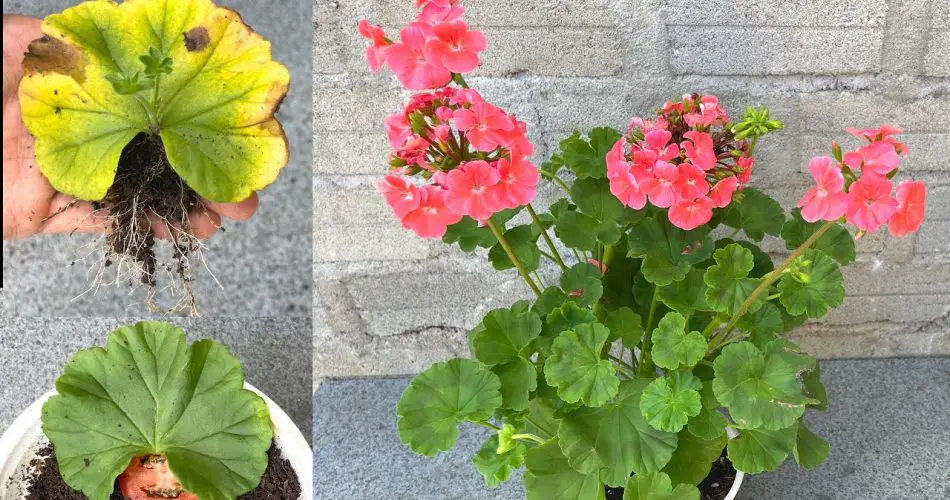
While Pelargonium hortorum is typically propagated through stem cuttings, it’s also possible to grow it from leaves, although this process may take a bit longer.
Propagation by Leaf Cuttings
If you want to propagate Pelargonium hortorum and focus on growing a healthy plant with great leaves, follow these simple steps:
- Select Healthy Leaves: Choose a healthy, mature leaf from the plant. It should be free of any blemishes or signs of disease.
- Cut the Leaf: Using a sterilized knife or scissors, cut the leaf with a small portion of the stem attached. The cutting should be about 3-4 inches long.
- Prepare the Cutting: If propagating through a leaf with a short stem, you can dip the cut edge into rooting hormone to help stimulate root growth. Alternatively, if using just the leaf itself, some gardeners prefer placing it directly in soil or water to encourage rooting.
- Place in Water or Soil: If rooting in water, place the leaf in a small jar with just enough water to cover the cut end. If propagating in soil, plant the cutting in a small pot with a well-draining mix, ensuring the leaf stays in contact with the soil. Maintain humidity by covering the pot with a plastic bag or propagation dome.
- Wait for Roots to Form: After a few weeks, you should see new roots forming at the base of the cutting. Once the roots are established, you can transplant the new plant into a larger pot with fresh soil.
Common Problems with Pelargonium Hortorum Leaves
While Pelargoniums are generally hardy, they can still face a few leaf-related issues:
- Yellowing Leaves: This is usually a sign of overwatering or poor drainage. It can also be caused by nutrient deficiencies or pests.
- Wilting Leaves: This may indicate that the plant is not getting enough water or sunlight. Check your watering schedule and make sure the plant is in a sunny location.
- Brown Leaf Edges: Brown tips can result from underwatering, overfertilizing, or exposure to cold temperatures. Ensure the plant is getting the right balance of water and nutrients.
- Pests: Pelargoniums can be susceptible to aphids, spider mites, and whiteflies, all of which can damage the leaves. Inspect your plant regularly for any signs of pests and treat accordingly.
Conclusion
Growing Pelargonium hortorum with healthy, vibrant leaves requires attention to the right care practices, including providing adequate light, well-draining soil, and proper watering. By ensuring your plant receives these essential elements, you can enjoy not only its stunning flowers but also the beauty of its lush foliage. Whether you’re growing it for decorative purposes or propagating new plants, Pelargonium hortorum is a rewarding and versatile plant to cultivate in your home or garden. With a little patience and care, your geraniums will thrive, offering vibrant color and texture to any space.