Integrating a fish pond into your gardening endeavors can unlock a myriad of benefits beyond aquatic life. One innovative approach gaining popularity is using fish pond water to nourish and cultivate a thriving vegetable garden. This symbiotic relationship between aquatic and terrestrial ecosystems not only promotes sustainable gardening practices but also yields nutritious, homegrown vegetables for your table.
Understanding the Synergy
Fish ponds are rich reservoirs of nutrients, primarily from fish waste and decaying organic matter. This nutrient-rich water, often teeming with beneficial microorganisms, serves as a natural fertilizer for plants, fostering robust growth and enhancing crop yields.
Steps to Establish a Vegetable Garden with Fish Pond Water
Follow these essential steps to successfully grow vegetables using fish pond water:
- Water Quality Assessment: Test the quality of your fish pond water to ensure it is suitable for irrigating vegetables. Monitor pH levels, ammonia, nitrate, and nitrite concentrations to maintain optimal conditions for plant growth.
- Selecting Vegetables: Choose vegetables that thrive in nutrient-rich environments and are compatible with the growing conditions in your region. Leafy greens, tomatoes, peppers, and cucumbers are excellent choices for gardens nourished by fish pond water.
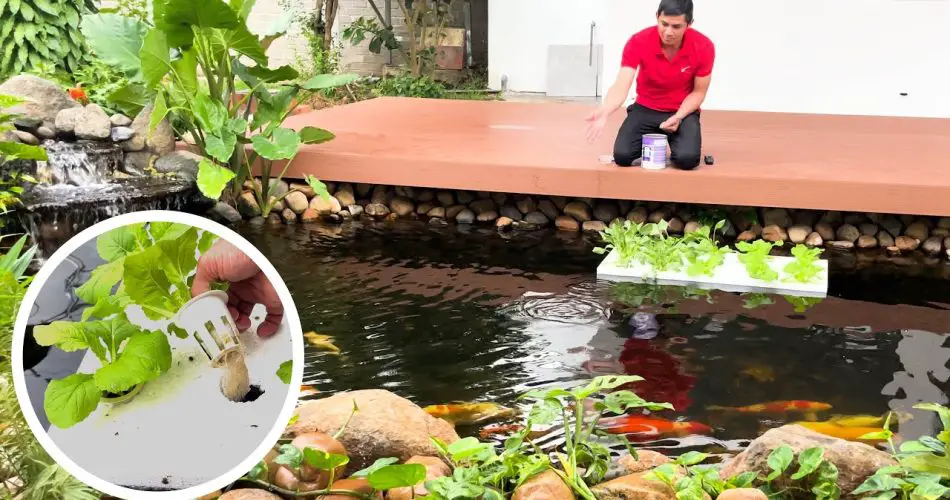
- Application Methods: Utilize fish pond water through various methods, such as direct irrigation, drip systems, or aquaponics setups. Adjust the application rate based on plant needs and environmental factors to prevent waterlogging or nutrient imbalances.
- Supplementary Nutrition: While fish pond water provides essential nutrients, supplementing with organic fertilizers or compost can further enrich the soil and promote vigorous plant growth. Incorporate these amendments as needed to maintain soil fertility.
Benefits of Using Fish Pond Water
Employing fish pond water for vegetable cultivation offers numerous advantages:
- Nutrient-Rich Growth: Vegetables absorb nutrients directly from the water, promoting healthy development and enhancing flavor.
- Water Conservation: Recycling fish pond water reduces freshwater consumption, contributing to sustainable water management practices.
- Ecosystem Harmony: Establishing a harmonious balance between fish, plants, and beneficial microorganisms fosters a resilient and productive garden ecosystem.
Conclusion
Embrace the synergy between aquatic life and vegetable gardening by harnessing the nutrient-rich potential of fish pond water. By integrating this natural resource into your gardening routine, you can cultivate a flourishing vegetable garden that not only yields abundant harvests but also supports ecological balance and sustainability. Explore the transformative power of fish pond water and cultivate a green haven brimming with nutritious, homegrown vegetables for you and your family to enjoy.