Grafting roses is an exciting technique that can enhance the beauty and diversity of your rose garden. This method allows you to combine the strengths of two different rose plants, resulting in stronger growth and unique flower varieties. Here’s a guide on how to successfully graft roses and care for your rose garden.
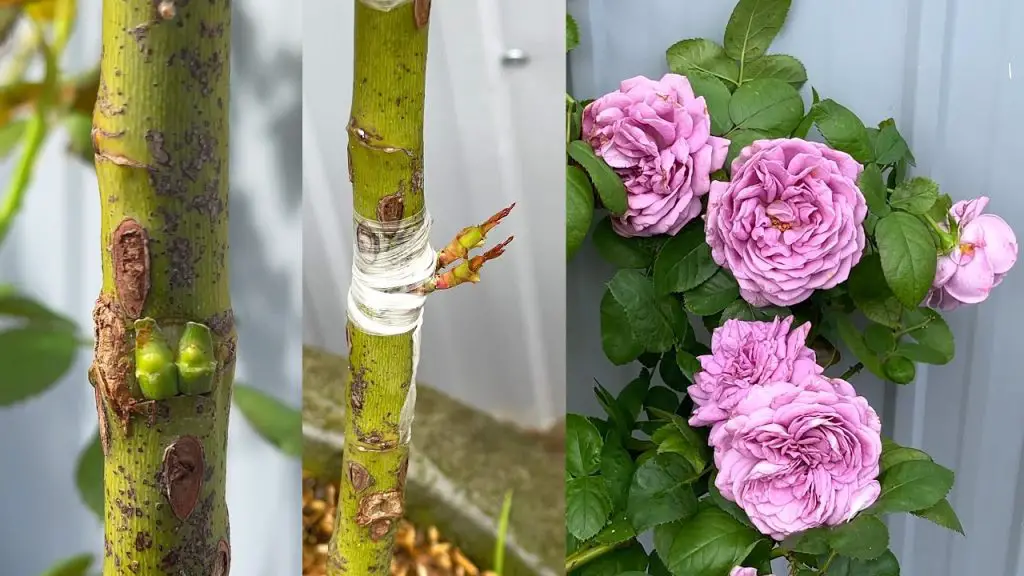
Understanding Grafting
What is Grafting?
Grafting is a horticultural technique that involves joining two different plants so they grow as one. In roses, this usually means attaching a scion (the upper part of one plant) to a rootstock (the lower part of another). This method not only improves the plant’s hardiness but can also enhance flowering and resistance to diseases.
Benefits of Grafting Roses
- Disease Resistance: Grafting can increase a rose’s ability to resist pests and diseases.
- Improved Growth: A strong rootstock can provide better nutrients and water access.
- Unique Varieties: Grafting allows you to combine different rose varieties, creating unique blooms.
How to Graft Roses
Selecting Your Plants
- Choose Compatible Varieties: Look for a compatible rootstock and scion. Common rootstocks include Rosa canina (Dog Rose) and Rosa multiflora. Select a healthy scion from a variety you want to propagate.
- Timing: The best time to graft roses is in late winter to early spring when the plants are still dormant but beginning to show signs of growth.
Grafting Techniques
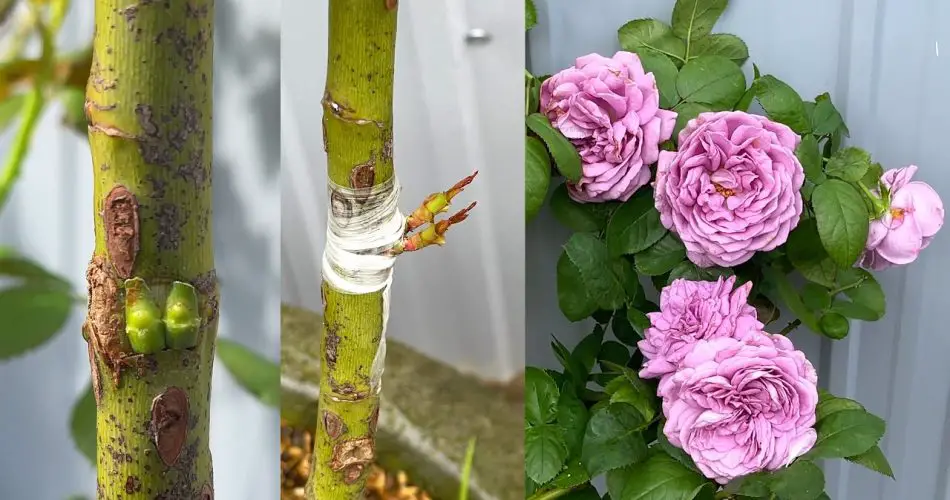
- T-Budding:
- Make the Cut: Use a sharp knife to create a T-shaped incision in the bark of the rootstock.
- Insert the Scion: Take a bud from the scion and insert it into the cut, ensuring it fits snugly.
- Wrap It Up: Secure the graft with grafting tape or parafilm to hold it in place.
- Cleft Grafting:
- Prepare the Rootstock: Cut the rootstock straight across and then make a cleft in the center.
- Insert the Scion: Take a scion with two buds and insert it into the cleft.
- Secure: Wrap with tape to prevent moisture loss.
Aftercare for Grafted Roses
- Watering: Keep the grafted area moist but not waterlogged. Adequate moisture is crucial for the success of the graft.
- Protection: Shield the graft from direct sunlight and harsh weather conditions. Consider using a shade cloth if necessary.
- Pruning: Once the graft has taken (usually in 4-6 weeks), prune away any unwanted growth below the graft to focus the plant’s energy on the new buds.
Caring for Your Rose Garden
Essential Care Tips
- Soil Quality: Use well-draining, nutrient-rich soil to promote healthy growth. Incorporate compost to enhance soil fertility.
- Watering: Regularly water your roses, especially during dry spells. Ensure the soil remains moist but not soggy.
- Fertilization: Apply a balanced rose fertilizer in the spring and mid-summer to encourage robust growth and blooming.
- Pest and Disease Management: Regularly inspect your roses for pests like aphids and diseases such as powdery mildew. Use organic treatments when possible to keep your garden healthy.
Seasonal Care
- Spring: Focus on pruning and fertilizing. Remove any dead or damaged wood.
- Summer: Water consistently and deadhead spent blooms to encourage further flowering.
- Fall: Prepare your roses for winter by mulching and reducing watering.
Conclusion
Grafting roses is an innovative way to enhance your home garden, providing unique varieties and stronger plants. With the right techniques and care, your rose garden can flourish, offering beautiful blooms for years to come. Happy gardening!