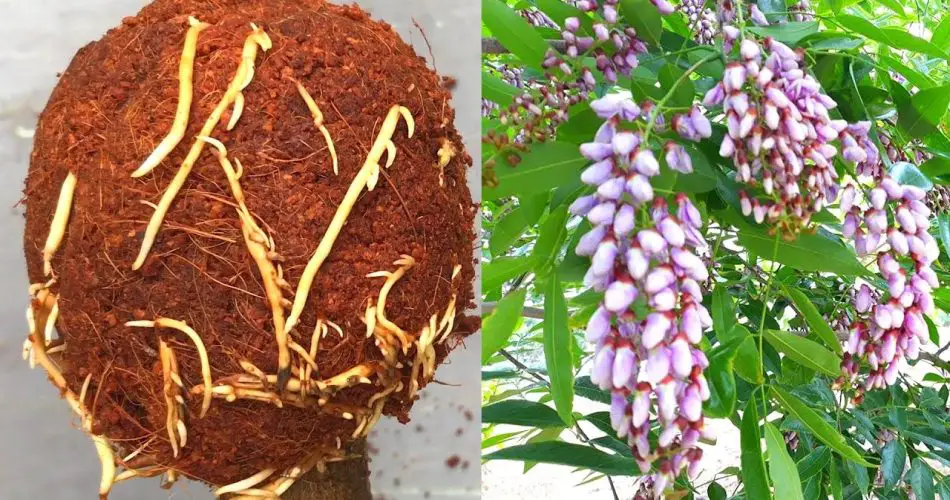
Extracting roots from plants, especially when propagating or transplanting, is a crucial task in gardening. Whether you’re looking to grow new plants or simply maintain your garden, understanding the right techniques for root extraction can make all the difference. One surprising yet highly effective material for promoting quick root growth and aiding in root extraction is coconut fiber. This natural and sustainable resource has been used for years in horticulture for its remarkable ability to enhance soil aeration and root health. In this article, we will explore how to extract roots quickly using coconut fiber and how it can help with root propagation.
1. Why Use Coconut Fiber for Root Extraction?
Coconut fiber, also known as coir, is derived from the outer husk of coconuts. It is a natural, biodegradable material that has many benefits in gardening, particularly when it comes to root development.
Key Benefits of Using Coconut Fiber for Root Extraction:
- Enhanced Aeration: Coconut fiber improves soil aeration, which allows roots to breathe and grow quickly.
- Moisture Retention: It retains moisture, preventing roots from drying out during extraction and transplantation.
- Natural and Sustainable: Unlike synthetic materials, coconut fiber is an eco-friendly option for gardeners.
- pH Neutral: Coconut fiber is pH-neutral, making it suitable for most types of plants.
By using coconut fiber, you create an ideal environment for roots to thrive, making the process of extracting and transplanting much easier and more efficient.
2. How to Use Coconut Fiber for Quick Root Extraction
Here’s a step-by-step guide on how to extract roots quickly using coconut fiber:
Step 1: Prepare the Coconut Fiber
- Buy or prepare coconut fiber: You can purchase pre-packaged coconut coir from garden centers, or you can prepare your own by soaking dried coconut husks in water and separating the fiber.
- Soak the fiber: Before use, soak the coconut fiber in water for about 30 minutes. This will rehydrate it and improve its moisture-retaining properties.
Step 2: Planting in Coconut Fiber
- Create a Rooting Medium: Fill a small pot or tray with rehydrated coconut fiber. This medium will serve as the rooting substrate for your plant.
- Insert the cutting or plant: Place the plant cutting or transplant into the coconut fiber, ensuring that the base of the stem or root is buried in the fiber.
- Press gently: Firmly press the coconut fiber around the plant’s base to provide support and ensure good contact with the roots.
Step 3: Maintaining the Right Conditions
- Water consistently: Keep the coconut fiber moist but not soggy. It should feel like a damp sponge. This helps encourage root development.
- Provide indirect sunlight: Place your pot or tray in a location with indirect sunlight or under a grow light. Avoid direct sunlight, which can dry out the coconut fiber and stress the plant.
- Monitor humidity: For plants that require higher humidity, cover the pot with a clear plastic bag or dome to maintain a humid environment. This helps the plant establish roots more quickly.
Step 4: Monitor Root Growth
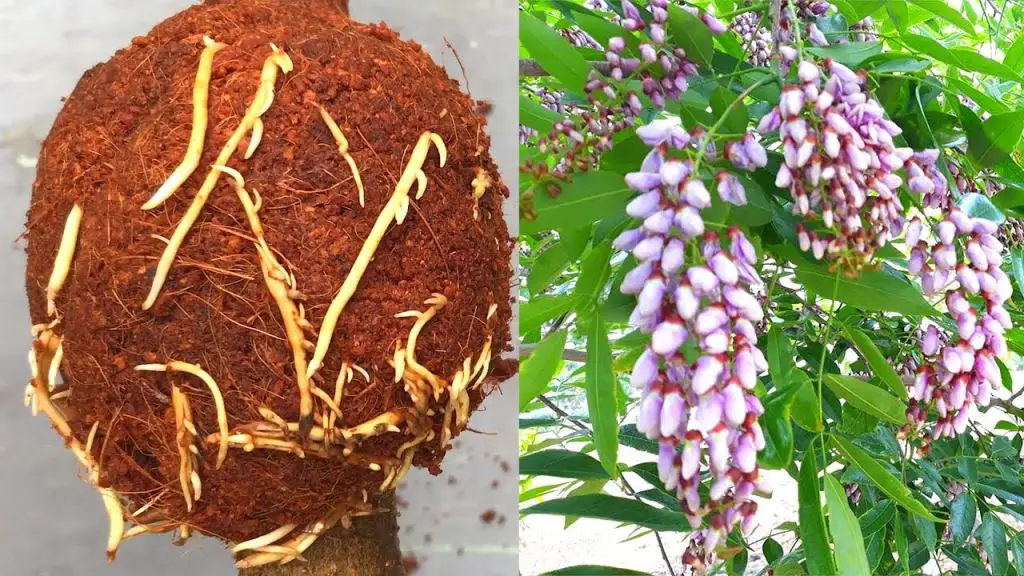
- After a few weeks, you should start to notice roots emerging from the plant’s base. The coconut fiber allows the roots to spread easily without becoming tangled, making it easier to extract them when it’s time for transplantation.
- Gently pull on the plant to check if the roots have established enough. If the plant resists being pulled out, it indicates that the roots have grown deep enough.
3. Advantages of Coconut Fiber in Root Extraction
Using coconut fiber for root extraction offers several advantages:
- Faster Rooting: Coconut fiber’s structure creates a loose, airy medium that encourages faster root penetration and growth.
- Easy Transplanting: Once roots are established, removing the plant from coconut fiber is simple. The roots remain undisturbed, allowing for a smoother transplant process.
- Improved Root Health: The natural properties of coconut fiber, such as its ability to retain moisture and promote aeration, reduce the risk of root rot and encourage healthy root systems.
- Versatility: Coconut fiber can be used for a wide range of plants, from houseplants to vegetables and fruit trees, making it a versatile choice for root extraction.
4. Tips for Maximizing Root Growth with Coconut Fiber
To get the most out of your coconut fiber for quick root extraction, consider these additional tips:
A. Combine with Other Natural Materials
- Perlite or vermiculite can be mixed with coconut fiber to improve drainage and prevent compaction. This can help further improve root development and ensure the plant receives adequate nutrients and oxygen.
B. Use Rooting Hormone
- For cuttings, consider dipping the cut end in rooting hormone before placing it in coconut fiber. This helps stimulate root growth and improves the chances of successful propagation.
C. Maintain Consistent Moisture
- Coconut fiber holds moisture well, but you should still monitor the moisture levels. Excessive dryness or overwatering can hinder root development, so aim for consistent moisture levels throughout the rooting process.
5. Conclusion
Using coconut fiber for root extraction is a simple, effective, and eco-friendly method for encouraging fast root growth. By creating the ideal growing conditions with coconut fiber, you allow your plants to establish strong roots in a short period of time, making the extraction process smoother and easier. Whether you’re propagating new plants, transplanting, or simply enhancing the health of your garden, coconut fiber provides the perfect medium to help your plants thrive.
By following these simple steps, you can ensure your plants grow vibrant roots in no time, leading to healthy and bountiful gardens.