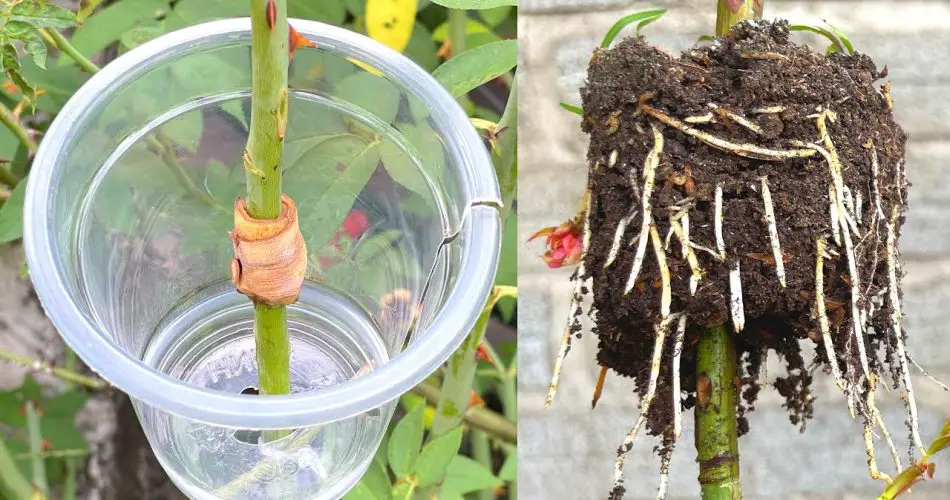
Extracting rose branches at home is an excellent way to propagate your favorite rose varieties, and the process is simpler than you might think. Whether it’s spring, summer, fall, or even winter, you can successfully grow new roses from existing branches. This guide will walk you through the steps to extract rose branches and propagate them, no matter the season.
Why Extract Rose Branches?
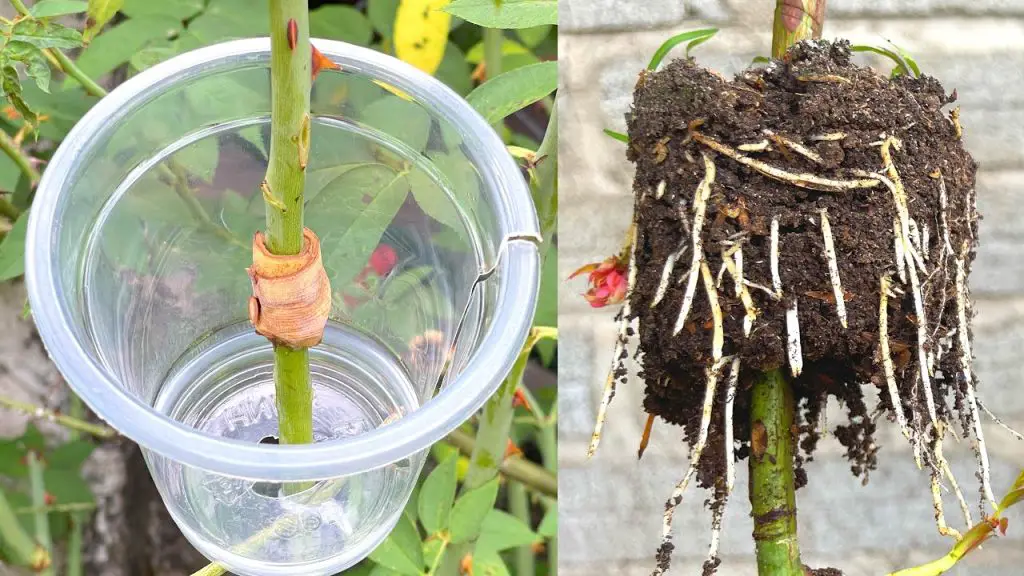
Extracting rose branches allows you to propagate new plants from your existing roses. This method is cost-effective and lets you:
- Preserve Varieties: Maintain the unique characteristics of your favorite roses.
- Expand Your Garden: Grow more roses without purchasing new plants.
- Share with Friends: Give away cuttings to fellow gardening enthusiasts.
Steps to Extract Rose Branches at Home
- Choose the Right Time:
- Spring and early summer are ideal for extracting rose branches as the plants are actively growing. However, late summer and early fall can also work, especially for hardy varieties. In mild climates, you can even try winter propagation.
- Select Healthy Branches:
- Choose healthy, non-flowering branches from the rose plant. Look for stems that are 6-8 inches long and have a few leaf nodes. Avoid branches that show signs of disease or pest damage.
- Prepare the Cuttings:
- Use clean, sharp pruners to cut the rose branches. Make the cut just below a leaf node. Remove any leaves or thorns from the lower part of the cutting, leaving only a few leaves at the top.
- Apply Rooting Hormone:
- Dip the cut end of each branch into rooting hormone powder or gel. This helps stimulate root growth and increases the chances of successful propagation.
- Plant the Cuttings:
- Prepare small pots or trays with a well-draining potting mix. A mix of sand, peat, and perlite works well. Insert the prepared cuttings into the soil, burying them about 1-2 inches deep. Space them a few inches apart to avoid overcrowding.
- Create a Humid Environment:
- To encourage rooting, cover the pots or trays with a clear plastic bag or a plastic dome to maintain high humidity. Place them in a location with bright, indirect light. Avoid direct sunlight, which can be too intense for the young cuttings.
- Watering and Care:
- Keep the soil moist but not waterlogged. Check the cuttings regularly for signs of root development, which can take several weeks. Remove the plastic cover periodically to allow for air circulation and prevent mold.
- Transplanting:
- Once the cuttings have developed a strong root system, they can be transplanted into larger pots or directly into the garden. Choose a location with full sun and well-draining soil for optimal growth.
Benefits of Extracting Rose Branches
- Cost-Effective: Save money by propagating your own roses rather than purchasing new plants.
- Customizable: Grow multiple plants from different varieties, allowing for a diverse rose garden.
- Enjoyable: Engage in a rewarding gardening activity that brings the satisfaction of growing new plants from your existing roses.
Additional Tips
- Maintain Clean Tools: Use sterilized pruners and containers to prevent disease.
- Monitor Pests: Keep an eye out for any signs of pests or diseases that could affect the cuttings.
Conclusion
Extracting rose branches at home is a straightforward and rewarding method of propagation that can be done in any season. By following these simple steps—choosing healthy branches, applying rooting hormone, and providing proper care—you can successfully grow new roses and enhance your garden’s beauty. Embrace this easy propagation technique and enjoy the beauty of new roses blooming in your home or garden!