Grafting is a classic horticultural technique used to propagate and enhance plants. If you’re looking to create a stunning multi-variety rose tree, rose grafting is an ideal method. By grafting multiple rose branches onto a single tree, you can enjoy a diverse display of colors and forms. Here’s a step-by-step guide on how to successfully graft many rose branches onto one tree.
Understanding Rose Grafting
Rose grafting involves joining a rose branch (scion) with a rootstock to produce a single plant that combines the best characteristics of both. This technique allows you to grow different rose varieties on one tree, creating a unique and visually striking display.
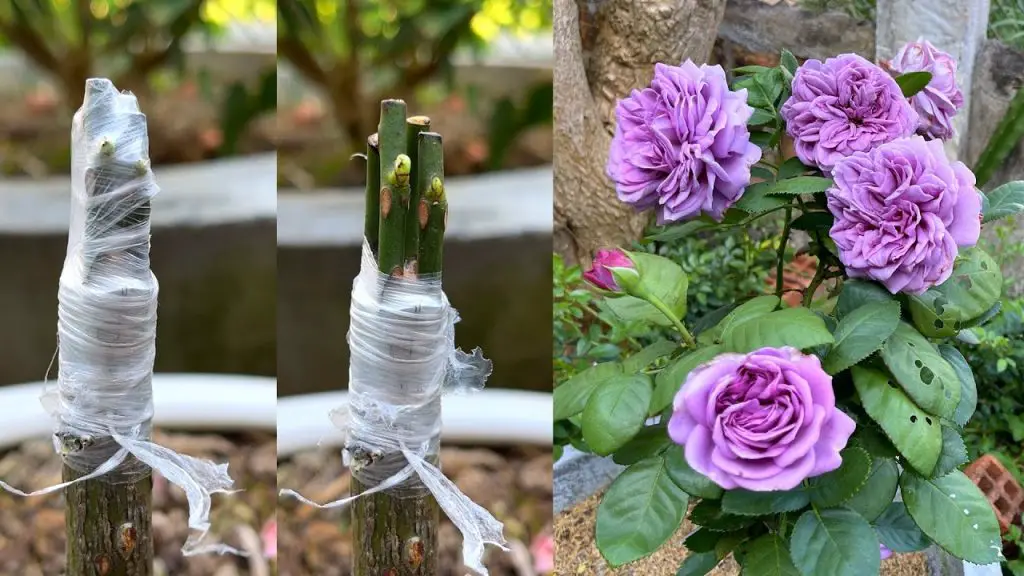
Steps to Graft Many Rose Branches on 1 Tree
- Select Your Rootstock:
- Choose a healthy, vigorous rootstock that is well-suited to your climate and soil conditions. Common rootstocks for roses include Rosa canina (dog rose) and Rosa multiflora.
- Ensure the rootstock is free from disease and has a robust root system to support multiple grafts.
- Prepare Your Scions:
- Scions are the rose branches you want to graft onto the rootstock. Select healthy, disease-free branches from mature rose plants.
- Cut the scions during their dormant period (late winter to early spring) to ensure they are in their optimal state for grafting.
- Graft the Scions:
- Cutting the Rootstock: Make a clean cut on the rootstock where you intend to attach the scion. This should be a slanted cut to match the angle of the scion.
- Preparing the Scion: Trim the base of the scion to match the angle of the rootstock cut. The scion should have 2-3 buds for successful grafting.
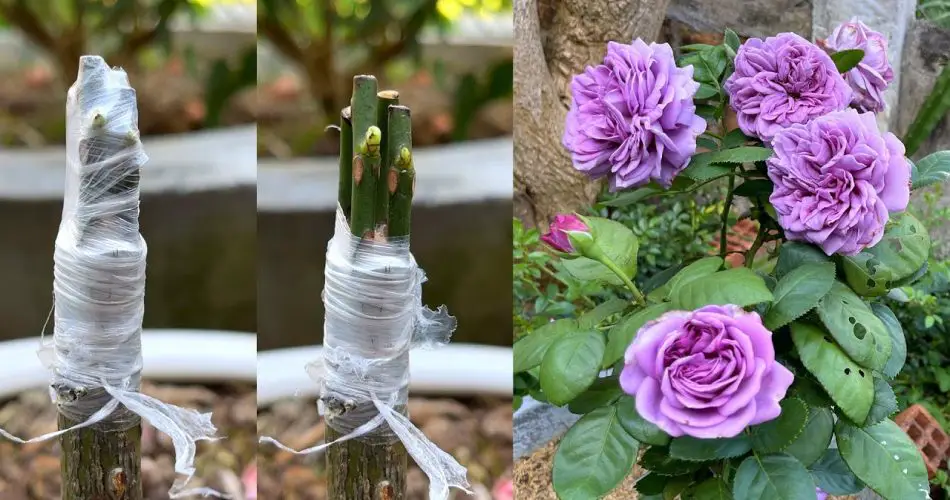
- Joining the Scion and Rootstock: Fit the scion onto the rootstock, aligning the cambium layers (the green layer under the bark) of both pieces. Secure with grafting tape or rubber bands.
- Care After Grafting:
- Protect the Graft: Cover the graft area with a grafting wax or sealant to prevent moisture loss and infection.
- Watering: Keep the soil around the rootstock consistently moist but not waterlogged. Proper watering supports the grafting process and encourages new growth.
- Light and Temperature: Place the grafted tree in a location with indirect sunlight and maintain moderate temperatures to promote successful grafting.
- Managing Multiple Grafts:
- If grafting multiple branches, ensure they are spaced adequately around the rootstock to avoid overcrowding. This allows each graft to develop without competition for resources.
- Pruning: As new shoots emerge, prune back any competing growth to direct energy to the grafted branches and encourage strong development.
Troubleshooting Common Issues
- Failed Grafts: If a graft doesn’t take, it may be due to poor alignment or inadequate care. Check the alignment of the cambium layers and ensure the graft is properly secured.
- Disease and Pests: Monitor for signs of disease or pest infestation. Treat any issues promptly to protect both the rootstock and grafts.
Rose grafting is a rewarding technique that allows you to cultivate a beautiful rose tree with multiple varieties on one plant. By carefully selecting your rootstock, preparing your scions, and providing proper care, you can create a visually stunning and diverse rose display. Embrace the art of grafting to transform your garden with a single, magnificent rose tree featuring a rich tapestry of blooms.