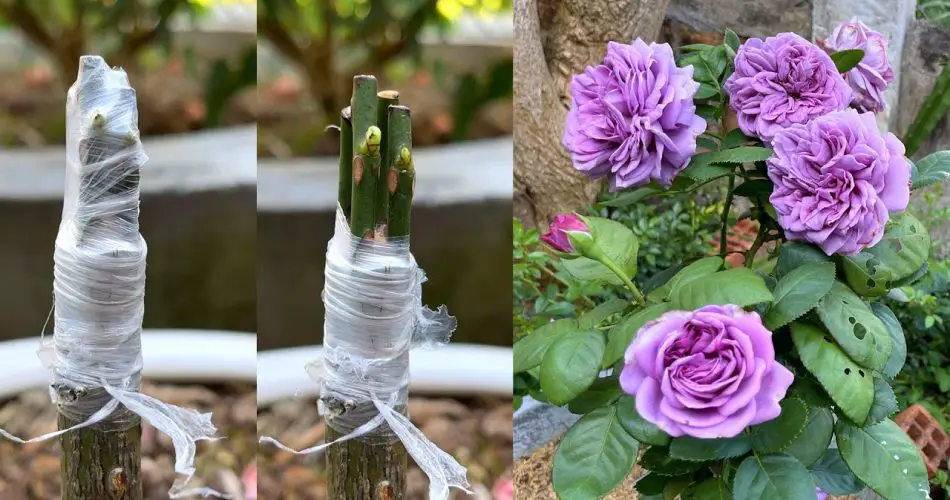
Grafting is an excellent technique for creating a rose tree with multiple varieties or for enhancing the overall beauty of your rose garden. By learning how to graft many rose branches onto one tree, you can enjoy a stunning display of diverse rose blooms and optimize your garden space. This guide will walk you through the rose grafting process, making it easy to transform your rose tree into a masterpiece.
Why Graft Multiple Rose Branches?
Grafting multiple rose branches offers several benefits:
- Diverse Blooms: Combining different rose varieties onto one tree allows you to enjoy a variety of colors, shapes, and fragrances.
- Increased Flowering: A well-executed graft can result in a more robust tree with enhanced flower production.
- Space Efficiency: Grafting multiple branches onto a single rootstock saves garden space while providing a rich display of blooms.
Materials Needed
- Rose Branch Cuttings: Healthy, 6-8 inch long cuttings from different rose varieties.
- Rootstock Rose Tree: A mature, well-established rose tree that will serve as the base for your grafting.
- Sharp Knife or Pruning Shears: For making precise cuts.
- Grafting Tape or Rubber Bands: To secure the grafts.
- Grafting Wax or Sealant: To protect and seal the grafting area.
- Water: For keeping the cuttings hydrated.
Steps to Graft Multiple Rose Branches
- Select and Prepare the Rootstock:
- Choose a healthy, mature rose tree to act as the rootstock. Ensure the tree is free from diseases and has a strong, well-established root system.
- Make a clean cut on the trunk or a main branch of the rootstock at the height where you plan to attach the grafts.
- Prepare the Rose Cuttings:
- Take cuttings from the rose varieties you want to graft. Each cutting should be 6-8 inches long with several healthy buds.
- Trim the ends of the cuttings to fit the grafting area on the rootstock.
- Make the Graft Cuts:
- Cleft Grafting: Make a vertical slit in the rootstock where you will insert the rose cuttings. This method is effective for thicker rootstocks.
- Tongue Grafting: Cut a notch or tongue on the side of the rootstock and match it with a corresponding notch on the rose cutting. This alignment helps the cambium layers (growth tissues) join.
- Attach the Rose Branches:
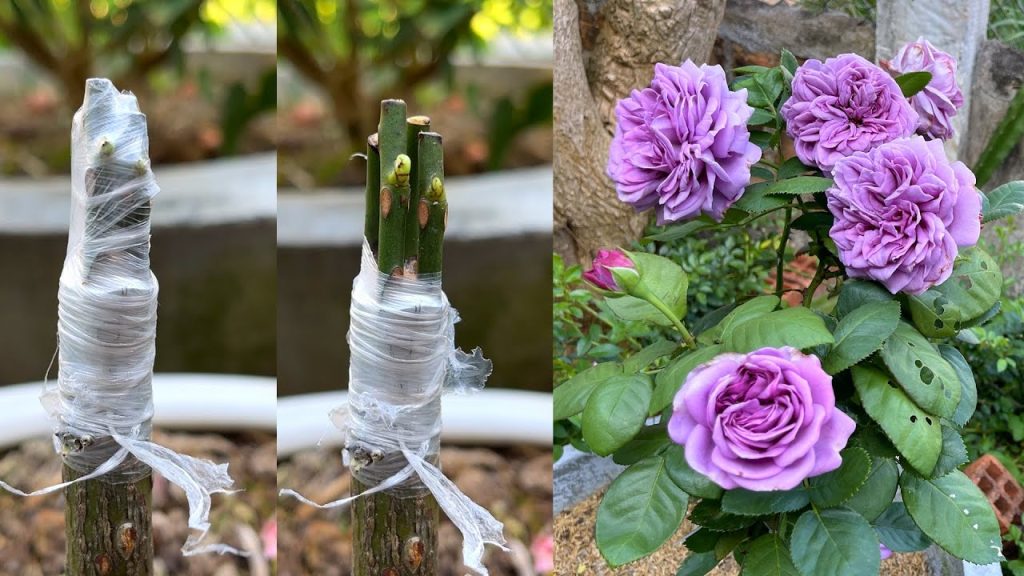
- Insert each rose cutting into the prepared slits or notches on the rootstock. Ensure that the cambium layers of the cutting and rootstock are in contact.
- Secure the grafts with grafting tape or rubber bands to hold them firmly in place.
- Seal the Grafts:
- Apply grafting wax or sealant around the grafting area to protect it from moisture and pests. This also helps to prevent infections and supports successful grafting.
- Care for the Grafted Tree:
- Water the tree regularly and keep it in a location with indirect sunlight until the grafts are well-established.
- Monitor the grafts for any signs of failure or disease. Remove any competing shoots or buds to ensure the grafts receive adequate nutrients.
Benefits of Grafting Multiple Rose Branches
- Enhanced Aesthetics: A tree with multiple rose varieties provides a beautiful and varied display of blooms.
- Improved Growth: Proper grafting can result in a more vigorous and productive rose tree.
- Maximized Garden Space: By combining multiple varieties onto one tree, you can enjoy a diverse range of roses without needing additional space.
Additional Tips
- Timing: Perform grafting during the rose’s active growing season for the best results.
- Clean Tools: Always use clean, sharp tools to ensure smooth cuts and prevent infections.
Grafting multiple rose branches onto one tree can transform your garden into a vibrant tapestry of colors and fragrances. By following these steps, you can create a stunning rose tree that showcases a variety of beautiful blooms, making your garden a true work of art.
Copy
Show Comments