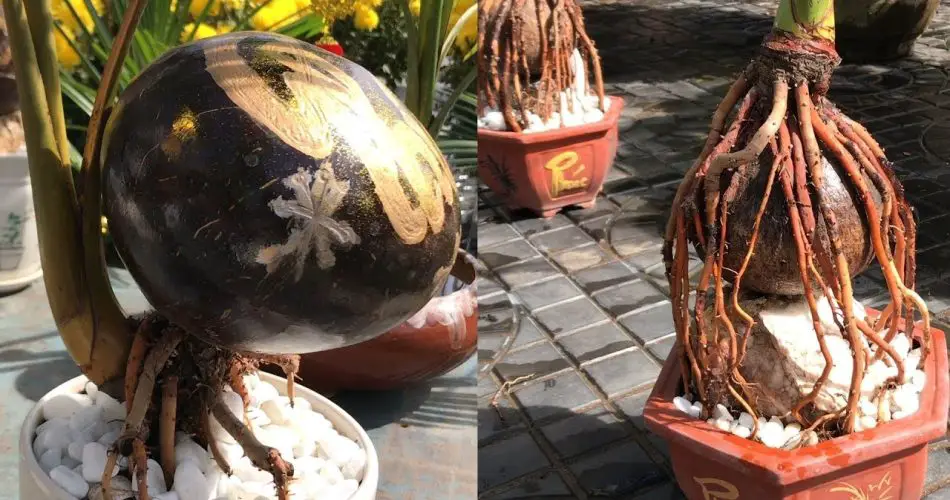
Growing a coconut bonsai is a wonderful and unique way to create a tropical-inspired scene in your home. This small, compact version of the iconic coconut palm adds a touch of nature and charm to your indoor garden. Despite its tropical roots, the coconut bonsai is surprisingly easy to care for, making it a perfect project for beginners and experienced gardeners alike. In this article, we will walk you through the essential steps to grow coconut bonsai and create a stunning, mini tropical paradise right at home.
Why Choose Coconut Bonsai? 🌴
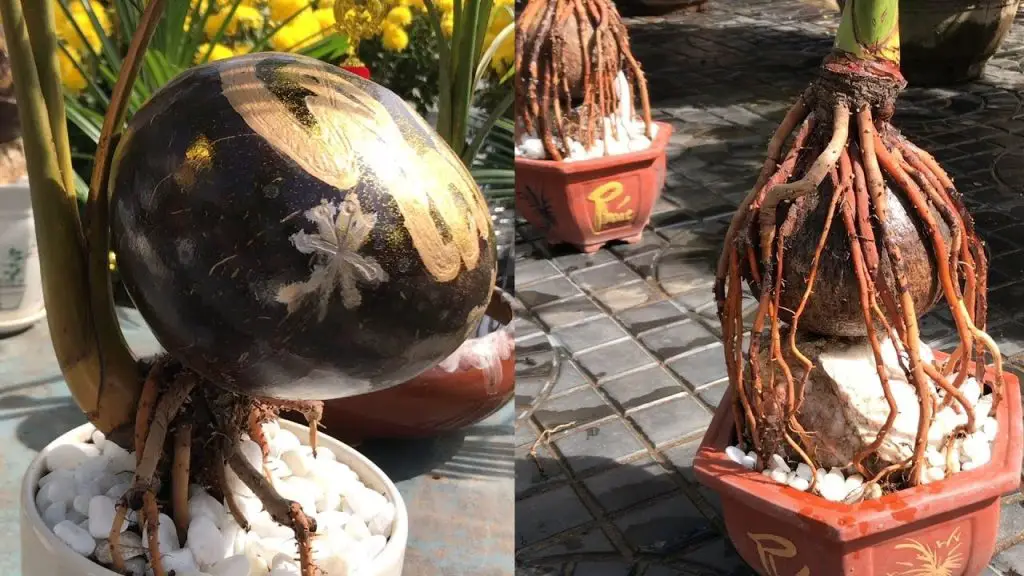
The coconut tree is one of the most iconic tropical plants. Its distinctive leaves, fruits, and overall appearance make it a favorite in landscaping and gardening. But growing a full-size coconut tree in your backyard or home is not always practical. That’s where the coconut bonsai comes in. By using specialized techniques, you can grow a miniature version of the coconut tree, perfect for small spaces or as a statement piece in your living room.
- Aesthetic Appeal: Coconut bonsai brings a taste of the tropics to any space, offering a unique tropical vibe in your home décor.
- Compact Size: Unlike a full-sized coconut tree, this miniature version doesn’t require much space and can fit in smaller areas.
- Easy to Grow: With a little care and attention, you can successfully grow and maintain a healthy coconut bonsai.
How to Grow Coconut Bonsai from a Seed 🌱
To get started, you will need a coconut seed—specifically a germinated coconut. Here’s how to grow your coconut bonsai:
1. Choosing the Right Coconut 🥥
- Look for a mature coconut that still has water inside. Ideally, choose a coconut that has already begun to germinate (you may see a small sprout or root growing).
- Make sure the coconut is not damaged or overly dry.
2. Soaking the Coconut 💧
- Place the coconut in a container of water for 2-3 days to encourage further germination.
- The coconut will absorb moisture, which helps speed up the sprouting process.
3. Preparing the Soil 🌍
- Choose a well-draining soil mix for your coconut bonsai. A mix of potting soil, sand, and perlite works best to provide proper aeration and drainage.
- Select a wide, shallow pot that will allow the coconut to sit comfortably, leaving room for growth.
4. Planting the Coconut 🌱
- Once the coconut has absorbed enough water and begins to sprout, it’s ready to be planted.
- Position the coconut so that the sprout is facing upward and the roots are down in the soil.
- Bury the coconut in the soil, leaving the top slightly exposed.
Caring for Your Coconut Bonsai 🌞🌿
1. Watering 💧
- Keep the soil moist, but not waterlogged. Over-watering can lead to root rot. The coconut likes a consistently humid environment, so make sure the soil doesn’t dry out completely.
- If you live in a dry climate, consider placing a humidity tray under the pot or lightly misting the coconut bonsai.
2. Sunlight 🌞
- The coconut bonsai loves bright, indirect sunlight. Ensure it gets at least 4-6 hours of indirect sunlight daily. A sunny window or a location with filtered light works well.
- Avoid placing your coconut bonsai in direct sunlight, as the intense heat can scorch the leaves.
3. Temperature 🌡️
- The ideal temperature for growing coconut bonsai is warm, between 70°F to 85°F (21°C to 29°C).
- Avoid placing the coconut bonsai in areas with cold drafts or temperatures below 50°F (10°C).
4. Pruning and Shaping ✂️
- To maintain its bonsai form, prune the leaves and branches regularly. Pinch back any new shoots to control the size and shape of the tree.
- You can also use bonsai wire to gently shape the trunk or branches, guiding them into a desired position.
- Trimming the roots is essential if you want to control the size of the coconut bonsai. When re-potting, trim the roots and replant the coconut in a slightly larger pot to encourage growth.
Repotting and Maintenance 🌿
As the coconut bonsai matures, it will eventually outgrow its pot. To ensure healthy growth:
- Repot the coconut bonsai every 1-2 years to provide more space for the roots.
- Each time you repot, refresh the soil mix and remove any dead or damaged roots.
- Trim the top of the coconut gently to maintain the desired bonsai look.
Creating a Tropical Scene with Your Coconut Bonsai 🌴🌺
Once your coconut bonsai is thriving, you can create a stunning tropical scene in your home:
- Place it in a decorative pot that suits your interior design style.
- Pair it with other tropical plants like ferns, orchids, or air plants for a cohesive look.
- Add small decorative elements like stones or miniature figurines to enhance the tropical vibe.
- For added effect, surround the coconut bonsai with a few miniature palm trees or succulents to complete the look.
Conclusion: A Unique Tropical Bonsai to Enjoy at Home 🌴🌸
Growing a coconut bonsai is a fun and rewarding way to add a tropical touch to your living space. With just a bit of patience and the right care, you can have a miniature coconut tree that thrives and brings joy throughout the year. Whether you’re looking to add a touch of the tropics to your home décor or enjoy the satisfaction of nurturing a bonsai, the coconut bonsai is an excellent choice for any plant enthusiast. 🌱✨