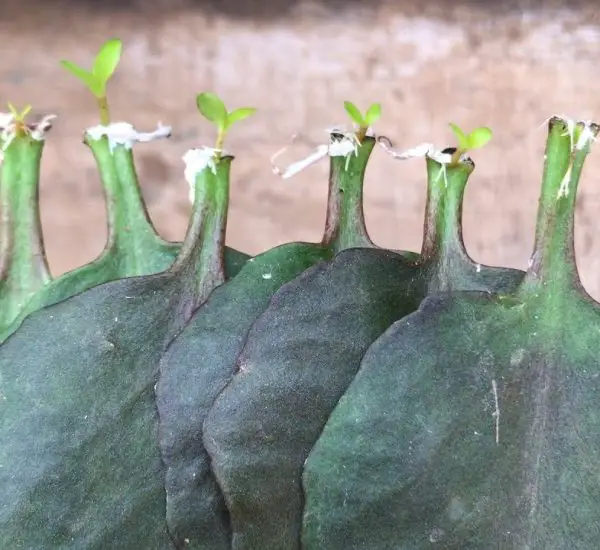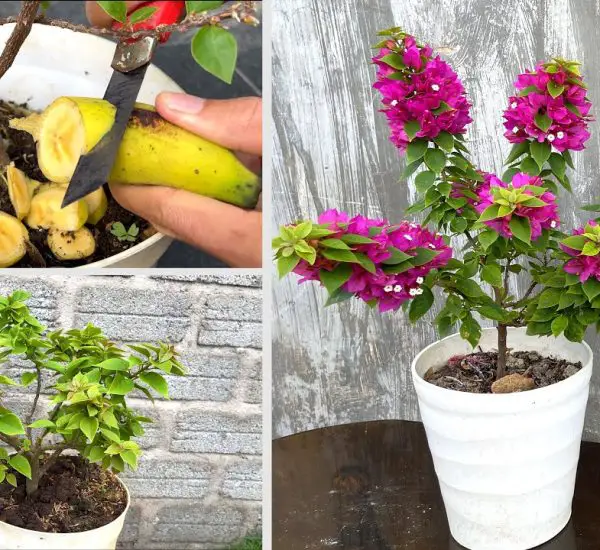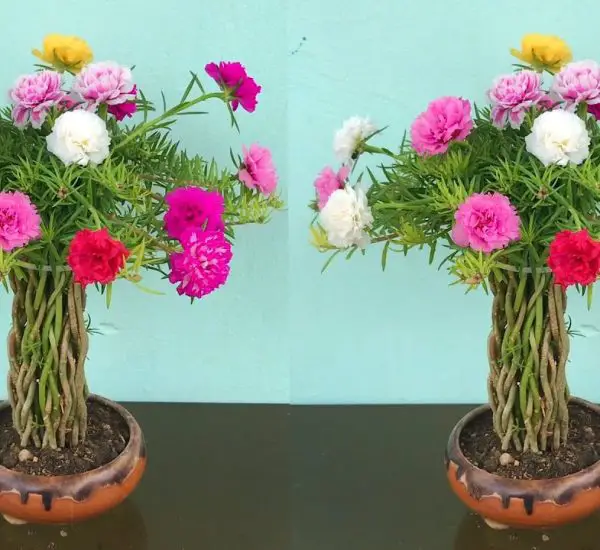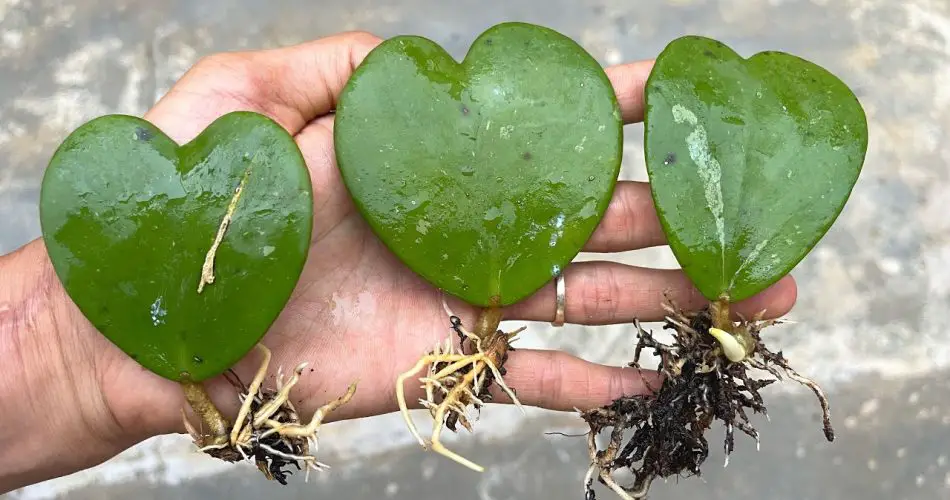
Growing heart-shaped leaves in sand is a unique and effective method for rooting cuttings. Many plants with beautiful heart-shaped foliage, such as Philodendrons, Anthuriums, and Hoya, can thrive in a sand propagation environment. This technique provides excellent drainage, reduces root rot, and promotes strong root development. If you want to multiply your favorite plants, follow this simple and successful cutting propagation guide!
Why Use Sand for Rooting Cuttings? 🏜🌿
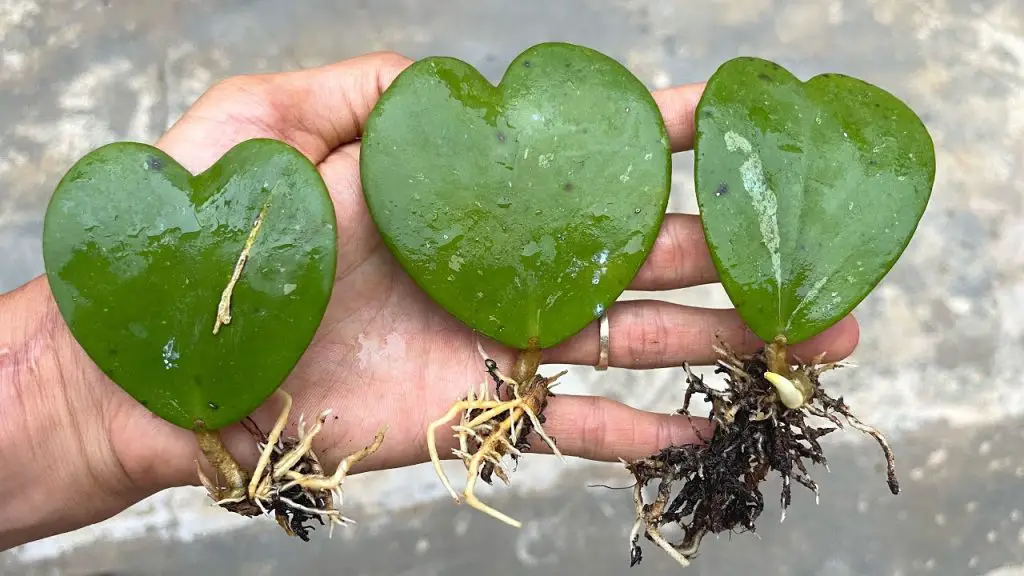
✔ Excellent Drainage – Prevents excess moisture and reduces rot.
✔ Faster Rooting – Encourages strong, healthy root formation.
✔ Less Disease Risk – Keeps bacteria and fungi at bay.
✔ Easy to Maintain – Requires minimal care and works for many plant varieties.
💡 Tip: This method is perfect for plants that prefer airy, well-draining soil conditions!
Step-by-Step Guide to Growing Heart-Shaped Leaves in Sand
What You’ll Need:
✔ Healthy plant cuttings with heart-shaped leaves
✔ Coarse sand or a mix of sand and perlite
✔ A small pot or propagation tray
✔ Sharp, sterilized scissors or pruning shears
✔ Rooting hormone (optional but recommended)
✔ A spray bottle for misting
Step 1: Choose the Best Cuttings ✂💚
✔ Select a healthy stem cutting with at least 2–3 nodes (the part where leaves and roots grow).
✔ Make a clean diagonal cut just below a node to promote better water and nutrient absorption.
✔ Remove any excess leaves from the lower part of the cutting to reduce moisture loss.
💡 Tip: Avoid using weak or diseased stems, as they may struggle to root!
Step 2: Prepare the Sand for Rooting 🏜🌿
✔ Fill a pot or propagation tray with moist coarse sand or a sand-perlite mix for better aeration.
✔ Lightly press down the sand to create a stable base for your cuttings.
✔ If using rooting hormone, dip the cuttings into the powder or gel before planting.
💡 Tip: Sand should be damp but not soaking wet—overwatering can slow root development!
Step 3: Plant the Cuttings in Sand 🌱
✔ Insert the cut end of the stem into the sand, ensuring at least one node is buried.
✔ Space multiple cuttings at least 2 inches apart for better airflow.
✔ Lightly mist the cuttings with water to maintain humidity.
💡 Tip: Cover the pot with a plastic bag or place it in a humidity dome for faster rooting!
Step 4: Care for the Cuttings and Monitor Growth 🌞💦
✔ Place the pot in bright, indirect light—avoid direct sunlight to prevent dehydration.
✔ Keep the sand slightly moist by misting daily but avoid overwatering.
✔ In 3–6 weeks, gently tug on the cutting—if there’s resistance, roots have formed!
💡 Tip: Once the roots are at least 2 inches long, transplant the cutting into well-draining potting soil for continued growth!
Enjoy Your Beautiful Heart-Shaped Leaves! 💚✨
Using sand propagation, you can successfully root cuttings and grow stunning heart-shaped leaves in your home or garden. This easy and rewarding method ensures healthy root development and allows you to propagate plants naturally.
Would you try this method? Let us know your experience in the comments below! 🌿💬