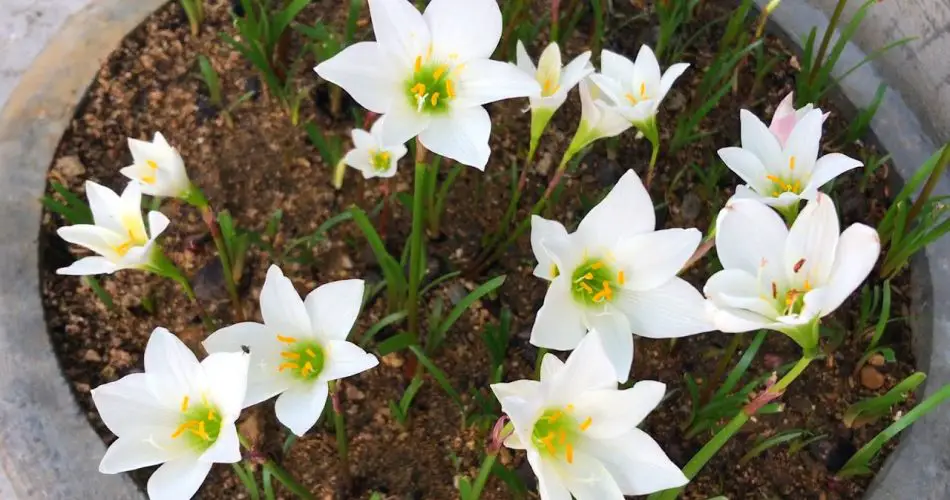
Transform your garden with the stunning Rain Lily (Zephyranthes), known for its delicate blooms that brighten up any landscape. These charming flowers are easy to grow from bulbs and can thrive in various conditions. Here’s a comprehensive guide to help you cultivate your own Rain Lilies.
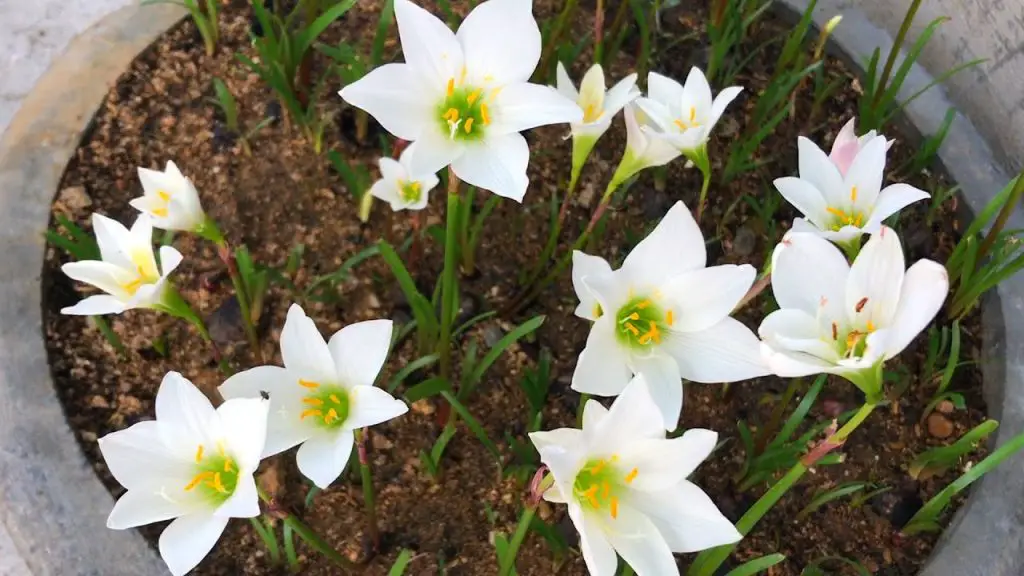
What Are Rain Lilies?
- Appearance: Rain Lilies are characterized by their star-shaped flowers that bloom in shades of white, pink, or yellow.
- Blooming Season: They typically bloom after rain, hence the name, making them a delightful surprise in the garden.
Choosing the Right Bulbs
- Quality: Select healthy, firm bulbs free from blemishes or mold.
- Varieties: Rain Lilies come in different species, including Zephyranthes candida (white) and Zephyranthes rosea (pink). Choose a variety that suits your aesthetic.
When to Plant
- Best Time: Plant Rain Lily bulbs in spring or early fall when temperatures are mild.
- Soil Temperature: Ideal soil temperature should be between 60°F to 75°F (15°C to 24°C) for optimal growth.
Preparing the Planting Site
- Location: Choose a location that receives full sun to partial shade. Rain Lilies thrive best in bright, well-drained areas.
- Soil: Use well-draining soil with a pH of 6.0 to 7.0. Amend the soil with compost to enhance fertility and drainage.
Planting the Bulbs
- Depth: Dig holes that are about 2-3 inches deep (5-7 cm).
- Spacing: Space the bulbs 4-6 inches apart (10-15 cm) to allow for growth.
- Orientation: Place the bulbs with the pointed end facing up.
Watering and Care
- Initial Watering: After planting, water the bulbs thoroughly to settle the soil.
- Ongoing Care: Water the bulbs moderately, allowing the soil to dry out between waterings. Avoid overwatering, which can lead to bulb rot.
- Fertilization: Use a balanced, slow-release fertilizer every few months during the growing season to encourage healthy blooms.
Post-Bloom Care
- Deadheading: Remove spent flowers to encourage new blooms and prevent seed formation.
- Foliage Maintenance: Allow the leaves to die back naturally after blooming. This process helps the bulbs store energy for the next season.
Winter Care
- Hardiness: Rain Lilies are hardy in USDA zones 7-10. In colder climates, consider mulching to protect the bulbs during winter.
- Storage: If you live in a colder area, you may need to lift the bulbs after the foliage dies back and store them in a cool, dry place until spring.
Conclusion
Growing Rain Lily flowers from bulbs is a rewarding experience that adds beauty to any garden. With minimal care and the right conditions, you can enjoy a vibrant display of these enchanting blooms year after year. Start your Rain Lily journey today and watch your garden come to life!
Copy
Show Comments