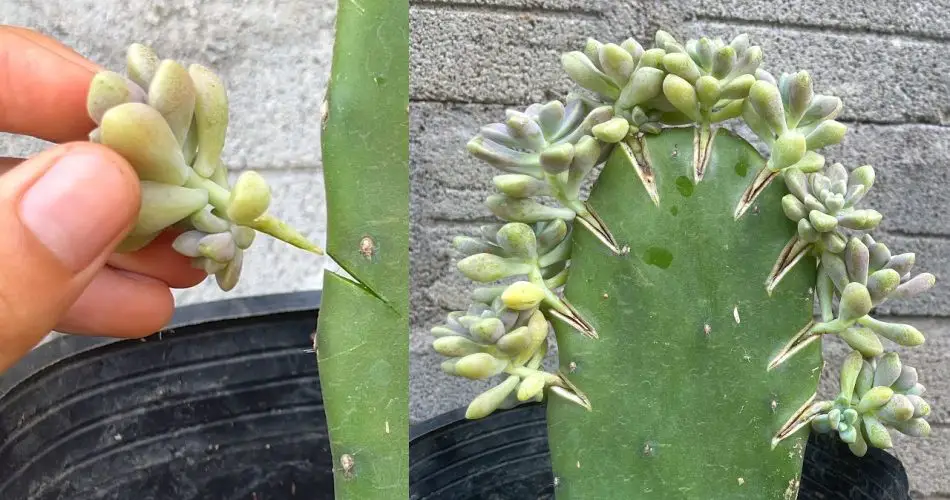
If you love the unique, low-maintenance beauty of succulents and the striking form of brush cactus, combining the two can create an eye-catching, desert-inspired garden that thrives with minimal care. Succulents are known for their fleshy leaves that store water, while brush cactus adds vertical structure with its spiny, sculptural presence. Pairing them together creates a beautiful contrast, blending texture, form, and color in a way that highlights the best qualities of both plants.
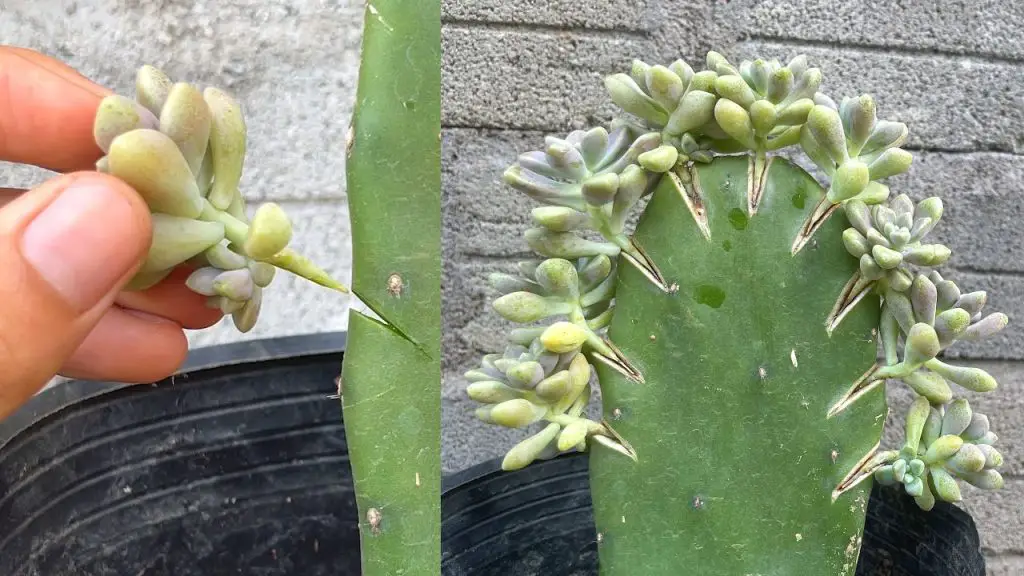
In this article, we’ll guide you on how to pair succulents with brush cactus, offering tips on creating a harmonious and visually stunning display.
Why Pair Succulents with Brush Cactus?
When combined correctly, succulents and brush cactus can create a dynamic contrast in your garden or container. Here’s why this pairing works so well:
- Complementary Textures: Succulents often have smooth, fleshy leaves, while brush cactus features spiky, rugged stems. These differing textures create an interesting visual balance.
- Water Efficiency: Both succulents and brush cactus are drought-tolerant, making them ideal companions for a low-water garden.
- Desert Aesthetic: The combination of succulents and cactus mimics a desert landscape, creating an environment that is both exotic and easy to care for.
Selecting the Right Succulents to Pair with Brush Cactus
Not all succulents will thrive when paired with brush cactus, so it’s important to choose varieties that complement the cactus’s growing conditions and visual appeal. Here are some types of succulents that pair well with brush cactus:
1. Aloe Vera
Aloe vera is a classic succulent with succulent, fleshy leaves and striking, spiky edges. Its compact growth and upright form work well with brush cactus, which also grows tall and upright. The contrasting forms—smooth aloe and spiny cactus—create an interesting dynamic.
- Benefits: Aloe vera is a low-maintenance succulent that thrives in full sun and well-draining soil, making it a perfect companion for brush cactus.
2. Echeveria
Echeveria succulents are known for their rosette-shaped leaves, which come in a variety of colors, from green to purple and blue. Their compact form makes them a great contrast to the tall, spiny structure of brush cactus.
- Benefits: Echeveria is low-maintenance and adds vibrant color to the pairing, especially if you choose varieties with blue or purple tones, providing a beautiful contrast to the green of the cactus.
3. Sedum (Stonecrop)
Sedum or stonecrop are hearty succulents with a prolific, trailing growth habit. The sprawling nature of sedum provides a nice contrast to the vertical growth of the cactus, and its soft, fleshy leaves balance out the sharp spines of the brush cactus.
- Benefits: Sedums thrive in poor soil and can handle full sun exposure, making them an excellent choice for a xeriscape garden with brush cactus.
4. Agave
For a more dramatic and architectural look, pair Agave with brush cactus. Agave succulents have bold, sharp leaves that mimic the structure of cacti, and they thrive in the same dry, sunny conditions.
- Benefits: Agave plants’ spiky leaves create a harmonious effect with the brush cactus, and both thrive in low-water, well-draining conditions.
5. Crassula (Jade Plant)
Crassula species, particularly the Jade Plant, have thick, waxy leaves and can grow either as small bushes or shrubs. The rounded, plump leaves of Crassula contrast nicely with the angular spines of the brush cactus.
- Benefits: Jade plants are highly drought-tolerant and do well in containers, making them great companions for cactus in smaller spaces.
How to Arrange Succulents and Brush Cactus Together
When pairing succulents with brush cactus, it’s important to consider both their growth habits and aesthetic appeal. Follow these guidelines to create a balanced and visually pleasing arrangement:
1. Consider Height and Form
Brush cactus is typically tall and columnar, with vertical spines that give it a towering presence. To balance this, choose succulents that vary in height. For example, plant low-growing succulents like Sedum or Echeveria near the base of the cactus, while placing taller succulents like Agave or Aloe Vera further back to avoid overshadowing the cactus.
2. Group Succulents by Texture
The textures of the plants should complement each other. Pair smooth, fleshy-leafed succulents like Aloe Vera with the spiky texture of brush cactus to create a contrast that’s visually appealing. Consider round-leafed succulents like Crassula for a softer touch, or go for succulents with sharp, pointed leaves (like Agave) to match the rigid form of the cactus.
3. Create Layers
A well-layered planting arrangement gives your garden depth and visual interest. Place succulents with trailing habits (like Sedum) near the front of the planting area, and use larger, more upright succulents (like Agave) towards the back. Brush cactus, with its vertical growth, will naturally form the centerpiece.
4. Use Containers for Flexibility
If you’re creating a container garden, use shallow but wide pots to plant succulents and cactus together. This gives you more control over the soil conditions and allows you to position your plants effectively. Ensure the container has drainage holes to prevent waterlogging, which can be detrimental to both succulents and cactus.
5. Mind the Soil
Both succulents and brush cactus require well-draining soil. Use a cactus mix or create your own blend with sand, perlite, and potting soil to ensure good drainage. Avoid heavy, moisture-retaining soils that can cause root rot in both types of plants.
Care Tips for Succulents and Brush Cactus Pairings
To ensure your succulent and brush cactus pairing thrives, here are a few care tips:
- Watering: Both succulents and brush cactus are drought-tolerant and prefer to dry out between waterings. Water the plants thoroughly, but allow the soil to dry completely before watering again. Overwatering can lead to root rot.
- Sunlight: Both types of plants need plenty of sunlight. Place them in a location that receives full sun for at least 6 hours a day. If growing indoors, place them near a south-facing window.
- Fertilization: During the growing season, you can fertilize your plants with a diluted cactus fertilizer or a balanced fertilizer. However, avoid over-fertilizing, as both succulents and brush cactus prefer poor to moderately fertile soil.
- Temperature: Brush cactus and succulents thrive in warm, dry conditions. They’re not frost-tolerant, so be sure to bring them indoors or cover them during the winter months if you live in a colder climate.
Conclusion: Create a Stunning Desert Garden with Succulents and Brush Cactus
Pairing succulents with brush cactus is a great way to create a low-maintenance, beautiful garden that mimics the beauty of desert landscapes. With the right selection of plants, strategic planting, and proper care, you can enjoy a striking, drought-tolerant garden that adds texture, color, and drama to your outdoor space.
Whether you’re planting in the ground or creating a container garden, combining the architectural beauty of brush cactus with the colorful diversity of succulents will ensure a stunning, harmonious display that thrives with little effort. Happy planting!