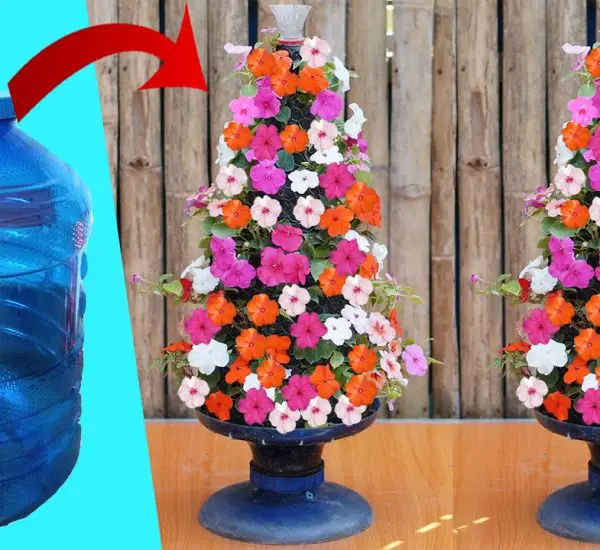
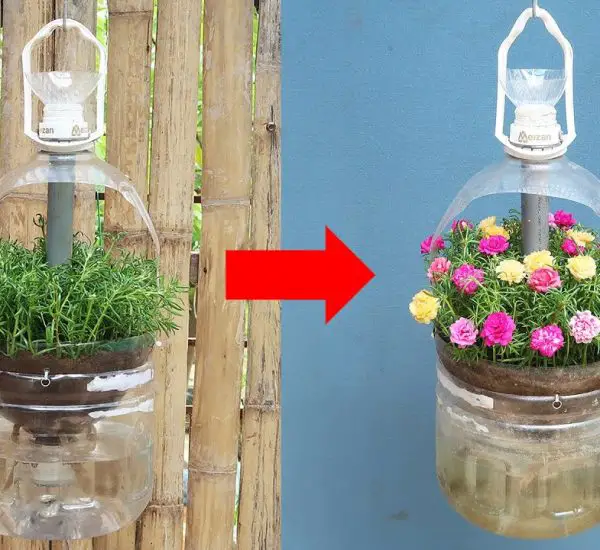
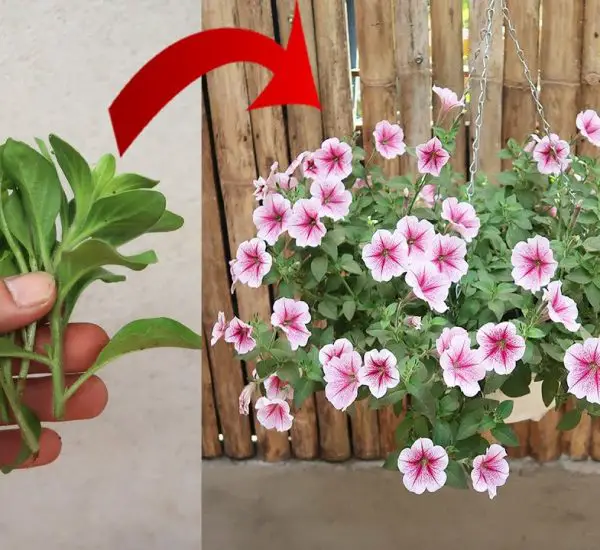
Begonias are beautiful flowering plants that can brighten up any garden or home. Known for their vibrant blooms and attractive foliage, begonias are a favorite among gardeners. Propagating begonias from branches is a great way to expand your collection or share with friends. But did you know that you can also use banana root to encourage growth and improve the health of your begonias? In this article, we’ll walk you through how to propagate begonias using both cuttings and banana roots, making it easy to grow these lovely plants in your own country garden.
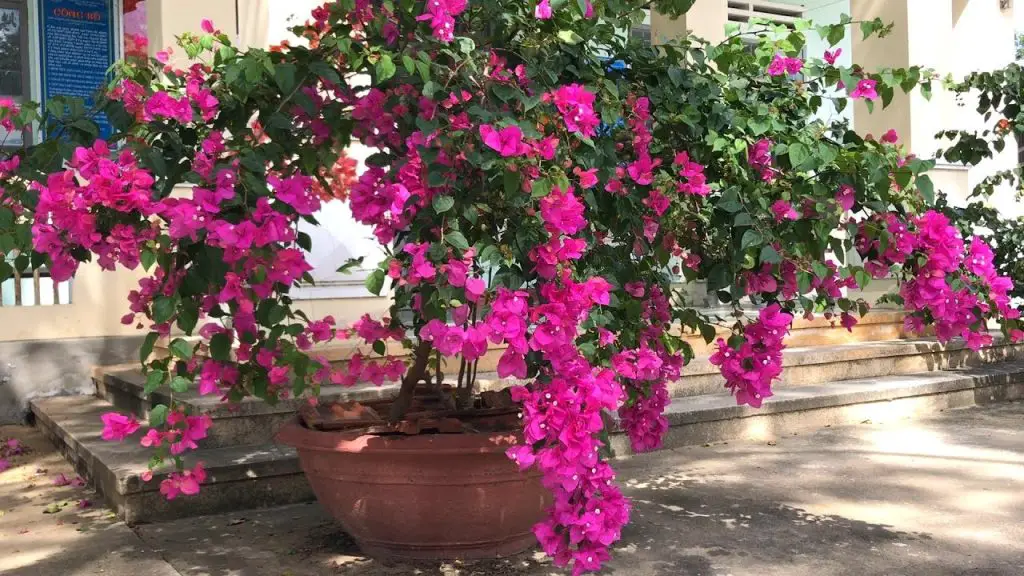
Why Propagate Begonias?
Before diving into the process, let’s take a moment to understand why propagating begonias is so beneficial:
- Expansion: Propagating allows you to multiply your begonias without having to buy new plants.
- Cost-Effective: It’s a low-cost way to expand your garden by using what you already have.
- Sharing the Beauty: By propagating begonias, you can share this stunning plant with friends and family.
- Genetic Preservation: Propagating from cuttings ensures that your new plants will have the same characteristics as the parent plant.
Step 1: Propagating Begonias from Branches
The most common way to propagate begonias is through stem cuttings, which is relatively simple and very effective. Here’s how you can do it:
1.1: Select Healthy Begonia Branches
- Choose healthy, mature branches that are free from pests or disease.
- The branch should be about 4-6 inches long and have at least two sets of leaves.
- Trim the cutting just below a leaf node (the small bump on the stem where leaves grow). This is where roots are likely to develop.
1.2: Prepare the Cutting
- Remove excess leaves from the bottom 2 inches of the cutting to avoid rot and promote root growth.
- Trim any damaged or old leaves on the cutting to help the plant focus its energy on root development.
1.3: Rooting the Cutting
- Water Propagation: Place the cutting in a glass of water so that the leaf node is submerged. Change the water every few days to keep it clean.
- Soil Propagation: Alternatively, you can plant the cutting directly into a small pot filled with well-draining potting mix. Lightly press the soil around the cutting to secure it.
- For best results, keep the cutting in a warm, bright spot but out of direct sunlight. A humidity dome or a clear plastic bag can help create the ideal humid environment to encourage rooting.
1.4: Wait for Roots to Form
- In about 2-3 weeks, you should start seeing roots developing from the cut end of the begonia cutting.
- Once the roots are about 1-2 inches long, the cutting is ready to be transplanted into a larger pot or directly into the ground.
Step 2: Using Banana Root for Propagation
Bananas are more than just a tasty fruit; their roots can also be a great asset for promoting healthy plant growth. When used as a natural fertilizer, banana roots help provide the necessary nutrients for begonias to grow strong and healthy. Here’s how you can use banana root to enhance your begonia propagation:
2.1: Benefits of Banana Roots for Begonias
- Rich in Nutrients: Banana roots are high in potassium, which helps with root development and overall plant health.
- Boosts Growth: The natural sugars in banana roots can encourage quicker root formation and stronger plants.
- Organic and Eco-Friendly: Using banana roots is a natural alternative to synthetic fertilizers, making it ideal for organic gardening.
2.2: How to Prepare Banana Roots for Begonias
- Collect Banana Roots: After harvesting bananas or purchasing banana plants, you can use the banana roots (especially from mature bananas) as an organic fertilizer. If you don’t have banana roots on hand, banana peels are also effective.
- Prepare the Roots: Cut the banana roots into small pieces, approximately 1-2 inches long. This makes it easier to incorporate them into the soil around the begonia cuttings.
2.3: Incorporating Banana Roots into Soil for Propagation
- Soil Mix: When you plant the begonia cutting in soil, mix the small banana root pieces directly into the soil. This will enrich the soil and provide essential nutrients to the cutting, encouraging it to root and grow faster.
- Watering: Water the begonia cutting regularly, ensuring that the soil stays moist but not soggy. The banana roots will slowly release their nutrients into the soil as the cutting establishes itself.
2.4: Using Banana Roots for Established Plants
- For established begonias, you can add banana root pieces directly to the soil around the base of the plant. This will act as a slow-release fertilizer, promoting healthy growth and more vibrant blooms.
- Banana Peel Tea: Another option is to soak banana peels in water for a few days, creating a natural banana peel tea. Use this as a nutrient-rich water to fertilize your begonias every few weeks.
Step 3: Transplanting and Care
Once your begonia cutting has rooted, or your plant has absorbed enough nutrients from the banana roots, it’s time to transplant and care for your new plant:
- Transplanting: If you started with a cutting in water, gently transfer the rooted plant into a pot with well-draining soil. If you propagated directly in soil, just continue to care for the plant in its current container.
- Sunlight: Begonias love bright, indirect light. Avoid placing them in direct sunlight to prevent leaf scorch.
- Watering: Keep the soil moist but not soggy. Water the begonia when the top inch of soil feels dry.
- Humidity: Begonias thrive in humid conditions. Mist the plant regularly or place it on a humidity tray to maintain moisture levels.
Step 4: Enjoy Your Propagated Begonias
With proper care, your propagated begonias should thrive, growing into lush, flowering plants that add beauty and color to your garden or home. Remember to continue using banana root as a natural fertilizer to keep the soil rich in nutrients, and make sure to prune the plants regularly to encourage bushier growth and more blooms.
Additional Tips:
- Spacing: If you’re planting multiple begonias in the same area, make sure to space them out to allow for proper air circulation and growth.
- Pest Control: Keep an eye out for common pests like aphids or mealybugs. If you notice any pests, treat them with a gentle, organic insecticide.
- Repotting: If your begonia grows too large for its pot, it may be time to repot it into a larger container to ensure it has enough space for its roots to spread.
Conclusion
Propagating begonias using branches and enriching the soil with banana root is an excellent way to grow these stunning plants in your country garden. Not only will you save money by multiplying your plants, but you’ll also be providing them with natural, organic nutrients that promote strong growth. By following the steps outlined above, you’ll be well on your way to creating a beautiful begonia garden that you can enjoy year-round. Happy gardening!