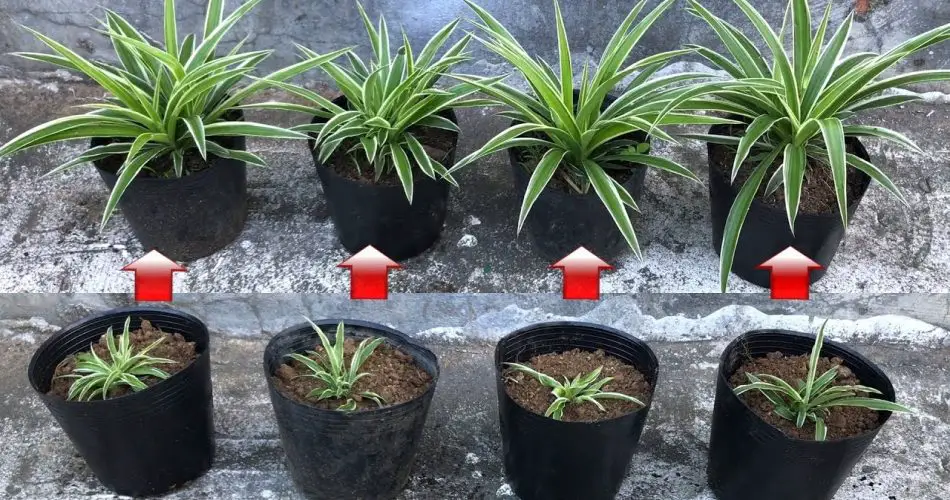
The Chlorophytum comosum, commonly known as the spider plant, is a popular houseplant admired for its lush green leaves and air-purifying qualities. Propagating this resilient plant is easy and can be done in just a few simple steps. Here’s how you can successfully propagate your spider plant!
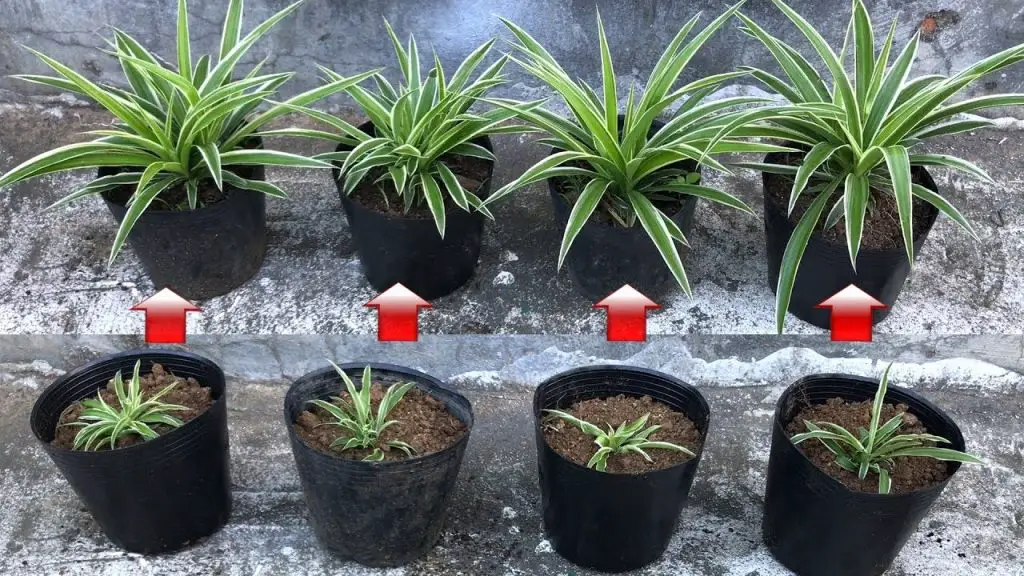
Why Propagate Your Spider Plant?
- Easy to Grow: Spider plants are low-maintenance and thrive in various conditions.
- Air Purification: They help improve indoor air quality by filtering toxins.
- Aesthetically Pleasing: With their charming arching leaves and small “baby” plants, they add beauty to any space.
Materials Needed
- A healthy Chlorophytum comosum plant
- Sharp scissors or pruning shears
- A small pot with well-draining soil
- Water (if propagating in water)
Step-by-Step Guide to Propagation
1. Identify the Offsets
- Spider plants produce “pups” or offsets, which are small plantlets that grow on long stems from the main plant. Look for these pups, which usually appear after the parent plant has matured.
2. Prepare to Cut
- Using sharp scissors, gently cut the stem connecting the pup to the main plant. Make sure to leave a small section of the stem attached to the pup for easier planting.
3. Choose Your Propagation Method
You can propagate spider plants using either soil or water:
A. Water Propagation
- Place the pup in a glass of water, ensuring that the cut end is submerged while the leaves remain above the water.
- Position the glass in a spot with indirect sunlight. Change the water every few days to keep it fresh.
- After about 2-3 weeks, roots should start to form. Wait until they are at least 2 inches long before transferring to soil.
B. Soil Propagation
- Alternatively, you can plant the pup directly in a small pot filled with well-draining potting mix.
- Make a small hole in the soil, place the pup inside, and gently cover the roots with soil.
- Water lightly to settle the soil around the roots and place the pot in a bright location with indirect sunlight.
4. Care for Your New Plant
- Keep the newly propagated spider plant in a warm area, away from direct sunlight, until it establishes roots.
- Water regularly, but avoid overwatering. Allow the top inch of soil to dry out before watering again.
5. Watch It Grow!
- After a few weeks, you should notice new growth as the spider plant acclimates to its new environment.
- Once established, you can treat it like a mature spider plant, enjoying its beauty and air-purifying benefits.
Conclusion
Propagating the Chlorophytum comosum is a rewarding experience that allows you to expand your plant collection or share with friends and family. With just a few steps, you can create new spider plants that will thrive in your home. Happy propagating!
Copy
Show Comments