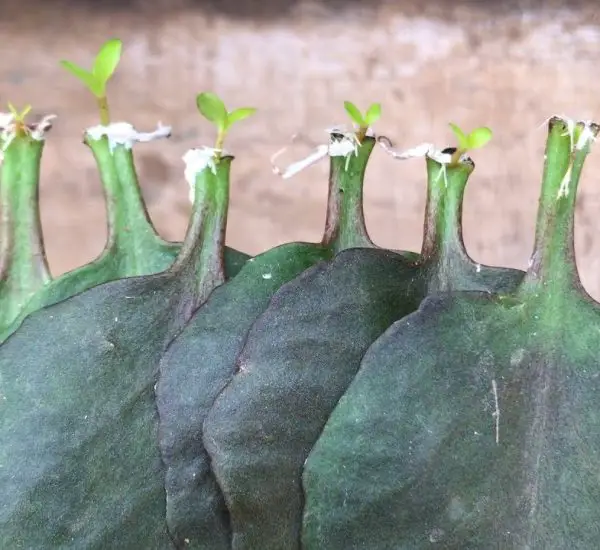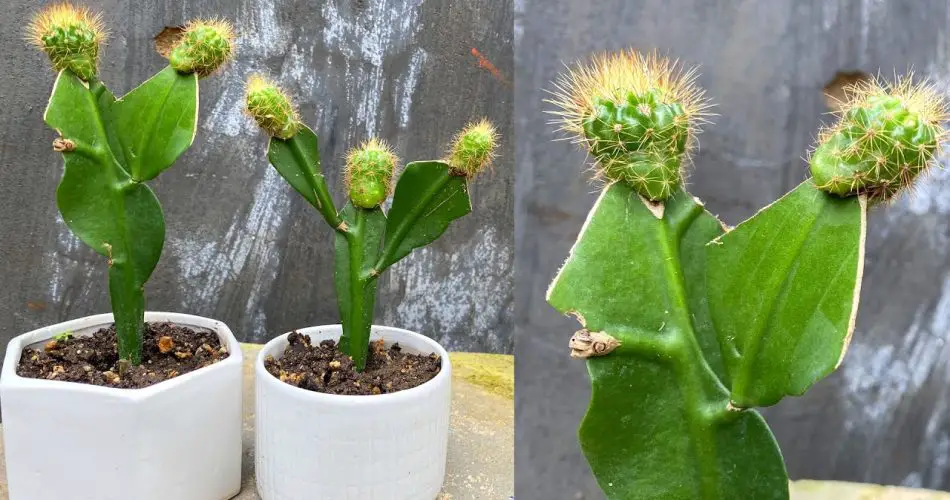
Transplanting cacti can seem intimidating, but it’s a straightforward process that can be made even easier through grafting. Grafting is a technique where the stem of one plant is attached to another, which allows it to grow successfully and share nutrients. This is commonly done with cacti and other succulent plants. In this guide, we will walk you through how to successfully graft a cactus onto an Epiphyllum plant, a common method used for certain cactus varieties that require a stronger root system.
Step 1: Gather Your Supplies
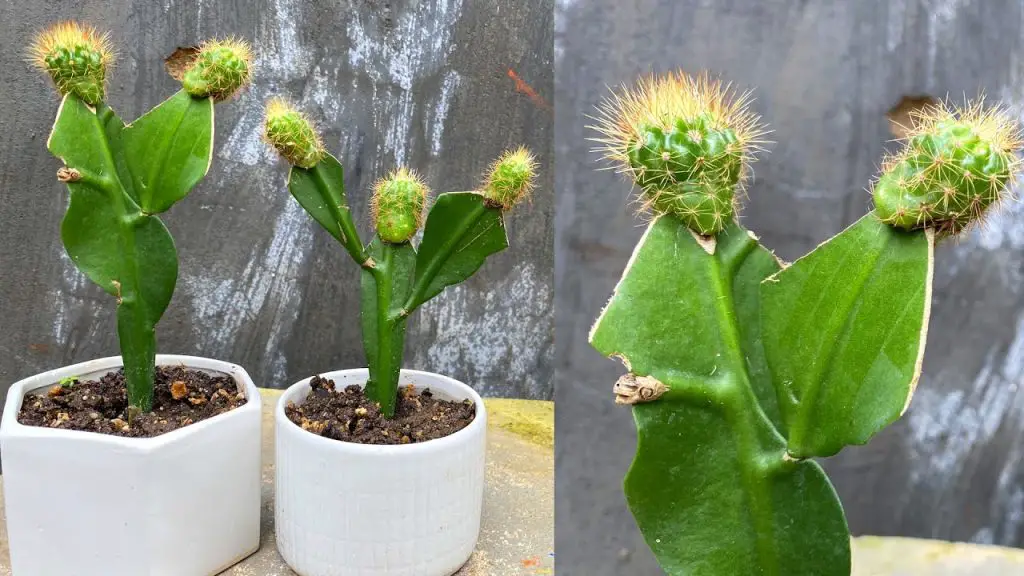
Before starting the grafting process, ensure you have everything you need:
- Healthy cactus: Choose a cactus variety with a strong stem. Popular grafting cacti include Opuntia and Trichocereus.
- Epiphyllum plant: The rootstock should be healthy and free of diseases.
- Sharp knife or scalpel: For clean cuts.
- Rubber bands or twine: To hold the grafted pieces together.
- Sterilizing solution: To prevent contamination.
Step 2: Prepare the Epiphyllum Rootstock
Start by carefully selecting a suitable Epiphyllum plant as the rootstock. This plant is chosen because it offers a stable root system and is often resistant to pests and diseases. Trim the stem of the Epiphyllum to create a flat surface where you will place the cactus. It’s crucial to sterilize the cut surface to prevent any bacterial infections.
Step 3: Prepare the Cactus
Select a cactus stem that you want to graft onto the Epiphyllum. The cactus should have a healthy, straight cut at the base to ensure proper contact with the Epiphyllum rootstock. You can use a sharp knife to make the cut clean and even. Again, sterilize the knife or scalpel before making the cut.
Step 4: Grafting the Cactus onto the Epiphyllum
Once both the cactus and Epiphyllum have prepared surfaces, carefully place the cactus on top of the flat Epiphyllum cut. Make sure the vascular cambium (the growth layer) of both plants is aligned, as this will ensure successful grafting. Gently press the cactus onto the Epiphyllum and hold it in place using rubber bands or twine. The pressure will help the plants fuse together.
Step 5: Caring for Your Grafted Cactus
After grafting, the plant needs time to heal. Place the grafted cactus in a warm, sunny location but avoid direct sunlight for the first few days to allow the graft to settle. Keep the soil moist but not too wet, as the roots will be vulnerable during this period. Monitor the graft regularly to make sure it’s healing properly and there are no signs of infection.
Step 6: Long-term Care and Maintenance
As the cactus begins to grow on the Epiphyllum, it’s important to provide regular care. Ensure the cactus receives adequate light, water, and nutrients. Over time, you will notice the cactus growing and thriving on its new Epiphyllum rootstock. The grafted cactus will have a better chance of surviving and producing flowers compared to a cactus with a weak root system.
By following these steps, you can successfully transplant cacti and graft them onto Epiphyllum plants. This method is not only practical for improving the health of your cacti but also offers an opportunity to experiment with different cactus varieties and rootstocks.