Discover a revolutionary approach to grafting roses that promises enhanced success and growth. This new method of grafting not only increases the likelihood of a successful union but also supports healthier, more robust rose plants. Whether you’re an experienced gardener or a novice, this guide will walk you through the steps of grafting roses effectively.
Understanding Rose Grafting
Grafting is a horticultural technique where a scion (a segment of a rose plant) is joined with a rootstock to combine their strengths and produce a new plant. The rootstock provides a robust root system, while the scion contributes the desired rose variety. This method is ideal for producing plants with specific traits, such as disease resistance and enhanced blooming.
New Method of Grafting Roses
The new method of grafting roses involves several key innovations that improve the success rate and overall plant health:
- Select Quality Material: Choose healthy, disease-free rose scions and rootstocks. For the scion, select a mature, actively growing shoot. For the rootstock, ensure it has a well-developed root system.
- Prepare the Scion and Rootstock: Make a clean, diagonal cut on the scion and a matching cut on the rootstock. The cuts should align closely to ensure a strong union. For this method, consider using a cleft graft or bark graft, which are particularly effective for roses.
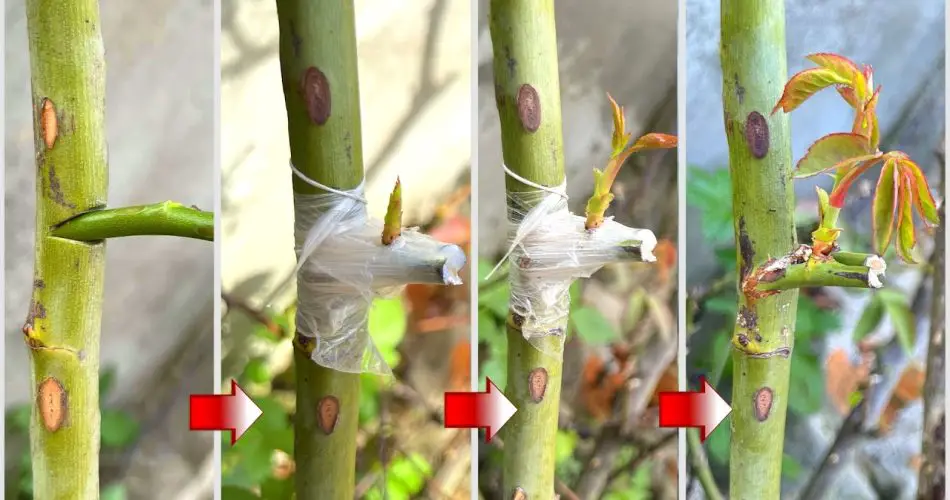
- Use Grafting Tape: Apply special grafting tape around the union of the scion and rootstock. This tape helps to hold the parts together and protects them from external elements. Ensure the tape is snug but not overly tight.
- Seal the Graft: To prevent drying out and improve healing, apply a grafting wax or sealant around the grafting site. This creates a protective barrier against pathogens and moisture loss.
- Monitor and Support: Place the grafted rose in a shaded, humid environment to encourage healing. Ensure the plant receives adequate water and nutrients. Support the grafted plant with a stake if necessary, to stabilize it during the initial growth phase.
- Remove Tape and Unveil Success: After a few weeks, once the graft has successfully healed and new growth appears, carefully remove the grafting tape. Observe the new growth to ensure that the graft has taken and that the plant is developing as expected.
Benefits of the New Grafting Method
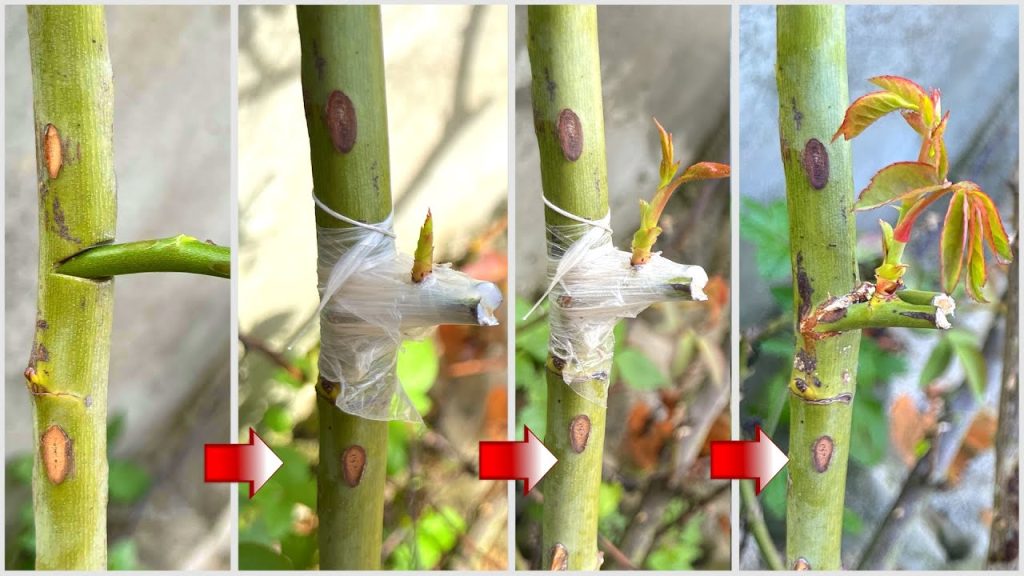
- Improved Success Rate: The use of grafting tape and sealants significantly enhances the likelihood of a successful graft.
- Healthier Plants: This method supports the production of disease-resistant and more robust rose plants.
- Faster Growth: By choosing the right materials and techniques, the grafted roses can establish more quickly and begin blooming sooner.
Tips for Successful Grafting
- Clean Tools: Always use sterilized tools to prevent the spread of diseases.
- Proper Timing: Perform grafting during the dormant season for the best results, typically late winter or early spring.
- Patience is Key: Grafting can take several weeks to show results. Be patient and provide consistent care during the healing process.
By adopting this new method of grafting roses, you can achieve outstanding results, growing beautiful, thriving rose plants with ease. Embrace this innovative approach and enhance your rose garden with healthier, more vibrant blooms.