Growing roses can sometimes be tricky, but using simple, natural methods can make a huge difference. One such method involves using a garlic bulb to help a rose branch develop roots more efficiently. Garlic, known for its natural growth-boosting properties, can work wonders for plant propagation. Let’s explore how garlic can help you grow beautiful roses in no time!
Why Garlic Helps Rose Branches Grow Roots
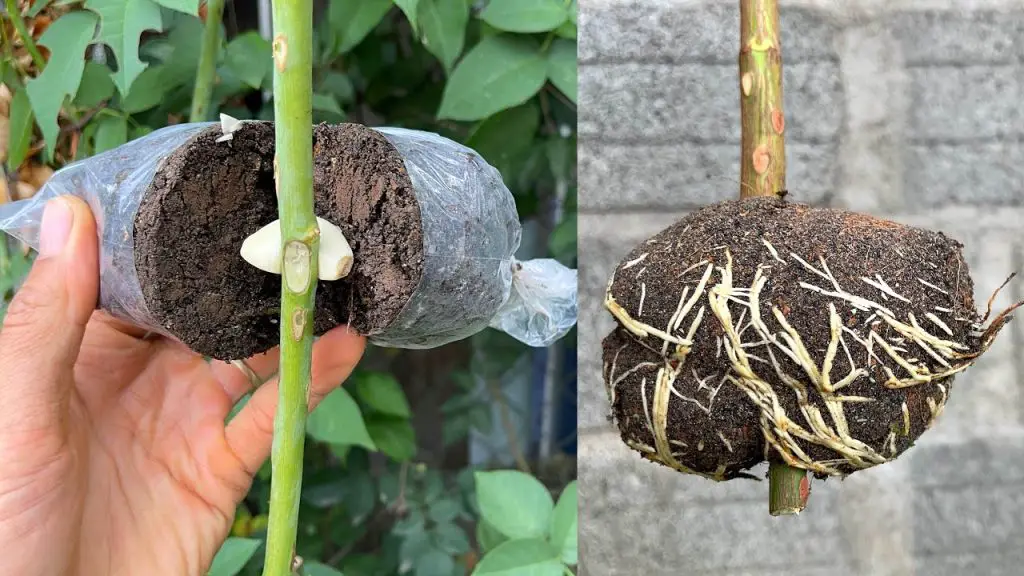
Garlic is packed with sulfur, which acts as a natural antifungal agent. This property helps protect the cutting from infections as it develops roots. The garlic bulb also contains certain enzymes and hormones that promote root growth, which encourages faster and healthier root formation.
Additionally, garlic’s natural antioxidants support the rose branch by strengthening its cells and encouraging it to focus energy on developing new roots. This makes it an ideal and effective tool for anyone looking to propagate roses at home.
How to Use Garlic to Help Rose Branches Grow Roots
Here’s a simple, step-by-step guide to using garlic for rooting rose branches:
Step 1: Choose a Healthy Rose Cutting
- Select a healthy rose cutting that’s around 4-6 inches long. Make sure the cutting is free from diseases or pests.
- Cut just below a leaf node (the part where leaves grow), as this is where the roots will sprout from.
Step 2: Prepare the Garlic Bulb
- Take a fresh garlic bulb and carefully peel a clove from it. You’ll only need one garlic clove for this process.
- Crush the garlic clove slightly to release its natural juices, which will activate the root-promoting properties.
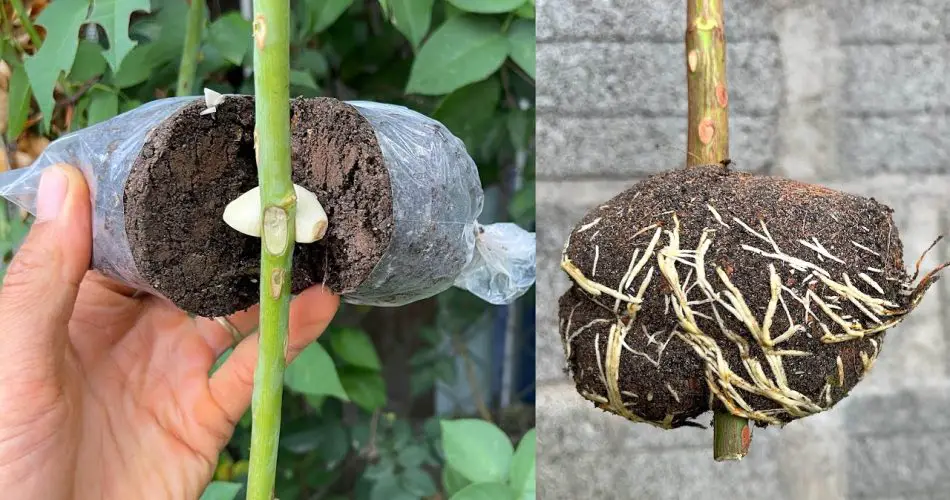
Step 3: Insert the Rose Cutting Into the Garlic
- Make a small hole in the bottom of the garlic clove using a sharp knife or a toothpick.
- Place the rose cutting into the hole, ensuring the base of the cutting is surrounded by the garlic.
Step 4: Plant the Rose Cutting in Soil
- After inserting the cutting into the garlic, plant both the garlic and the cutting in a small pot filled with well-draining soil.
- Water the cutting lightly, making sure not to soak it. The goal is to keep the soil moist but not waterlogged.
Step 5: Wait for Roots to Develop
- Place the pot in a location with indirect sunlight, such as a windowsill.
- Over the next few weeks, the rose cutting will begin to develop roots. If the cutting is healthy and the garlic is providing the right nutrients, you’ll see new root growth and stronger stems.
- Once you feel resistance when gently tugging on the cutting, you can be sure the roots have developed successfully.
Other Benefits of Using Garlic for Rooting Plants
Using garlic for plant propagation has other benefits, too. Here are a few:
1. Natural Antifungal Properties
Garlic helps protect the rose cutting from fungal infections and rotting, which can often be an issue in the early stages of root development. The natural compounds in garlic ward off harmful pathogens.
2. Boosts Rooting Speed
Garlic stimulates the rooting hormones in rose branches, helping them develop faster and with more vigor. This method can speed up the propagation process.
3. Cost-Effective and Natural
Unlike commercial rooting hormones or products, garlic is a natural, inexpensive option. It’s easy to find and doesn’t require any special preparation, making it an ideal choice for beginner gardeners.
Conclusion
If you want to propagate roses at home successfully, using a garlic bulb could be the simple solution you’ve been searching for. The natural properties of garlic help rose cuttings form roots more quickly and effectively, ensuring a strong, healthy plant. Whether you’re a beginner or an experienced gardener, this method is a great way to enhance your plant propagation efforts without needing chemical rooting products.
By using just one garlic clove, you can enjoy flourishing rose plants and expand your garden with ease. 🌹🌱