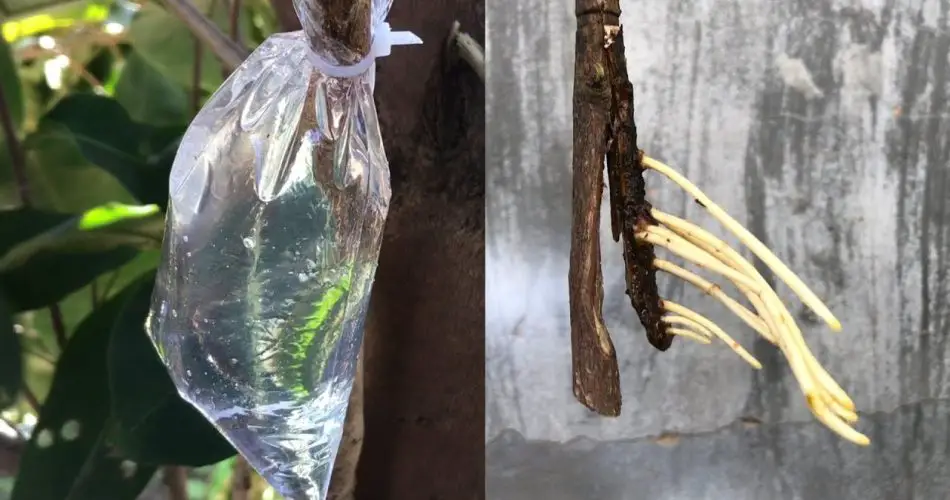
Water rooting is a popular and effective method for propagating plants, enabling you to grow new specimens from cuttings without soil. This technique, also known as hydroponic propagation, involves encouraging plants to develop roots directly in water, fostering strong and healthy growth. Here’s how you can successfully extract plants with abundant roots using water:
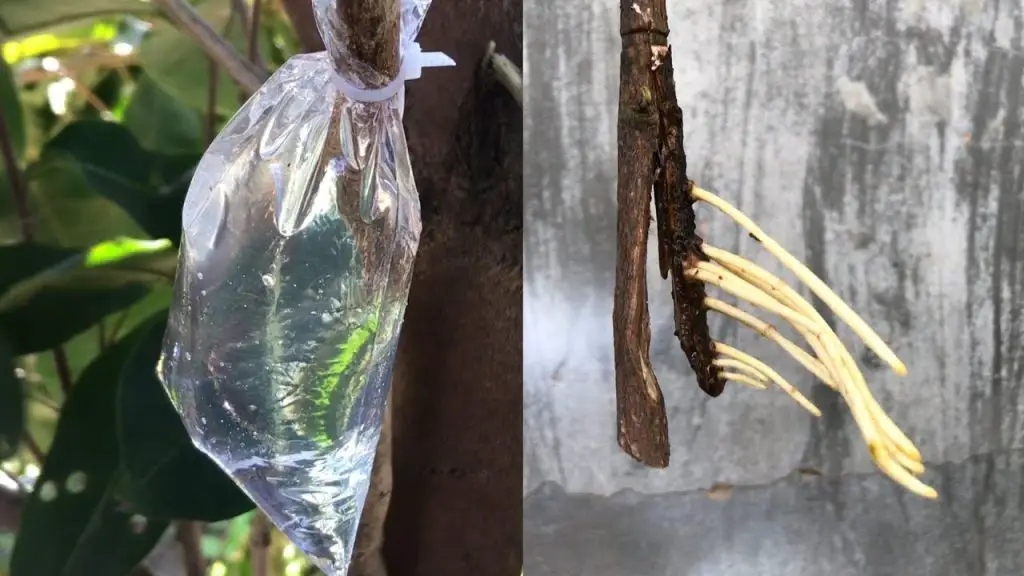
Choosing Suitable Plants and Cuttings
Start by selecting healthy plants and identifying suitable cuttings. Opt for young, actively growing stems from the parent plant, ideally 4-6 inches long with several sets of leaves. Plants such as pothos, philodendron, coleus, and mint are particularly well-suited for water rooting.
Preparation and Setup
- Prepare Containers: Choose clean, transparent containers like glass jars or bottles. Clear containers allow you to monitor root development easily. Fill each container with room temperature water, ensuring there’s enough to submerge the cuttings.
- Trim and Position Cuttings: Trim the cuttings just below a node (where leaves emerge) using sharp, sterilized scissors or pruning shears. Remove any lower leaves to prevent them from being submerged in water, which can lead to rot.
Rooting Process
- Submerge Cuttings: Place the prepared cuttings in the water-filled containers, ensuring the cut end is fully submerged. Position them upright and avoid overcrowding to allow adequate space for root development.
- Provide Light and Temperature: Place the containers in a bright, indirect light location. Avoid direct sunlight, which can heat the water excessively and hinder root growth. Maintain a consistent temperature range suitable for the specific plant species.
- Change Water Regularly: Monitor the water level and quality regularly. Change the water every few days or when it becomes cloudy to prevent algae growth and maintain oxygen levels essential for root development.
Monitoring and Transplanting
- Observe Root Growth: Within 2-4 weeks, you should start noticing roots emerging from the submerged nodes of the cuttings. Resist the urge to disturb the process; allow the roots to grow to a sufficient length before transplanting.
- Transplanting: Once the roots are well-developed (typically 1-2 inches long), carefully transplant the cuttings into pots filled with well-draining potting mix. Handle the roots gently to avoid damage during transplantation.
Tips for Success
- Patience and Care: Water rooting requires patience as roots may take several weeks to develop fully. Maintain consistent care and avoid disturbing the cuttings unnecessarily.
- Choose Appropriate Plants: While many plants can be propagated through water rooting, some species may fare better than others. Research the specific requirements of the plant you intend to propagate.
- Maintain Hygiene: Keep tools and containers clean and sterilized to prevent disease transmission and ensure optimal root growth.
Conclusion
Mastering water rooting allows you to propagate plants effectively, fostering strong root development and ensuring successful establishment. By following these steps and tips, you can confidently extract plants with abundant roots, expanding your garden with thriving new specimens. Embrace the simplicity and effectiveness of water rooting as you nurture and grow a vibrant garden of propagated plants. Happy gardening!