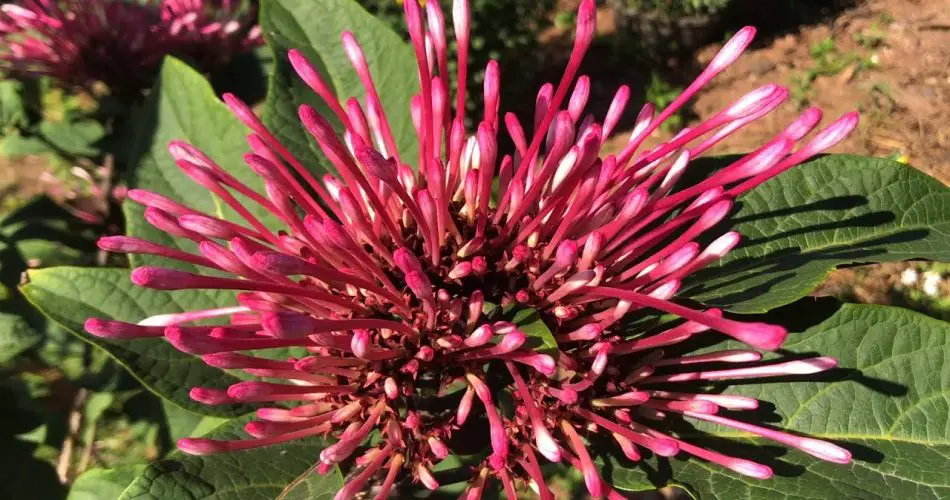
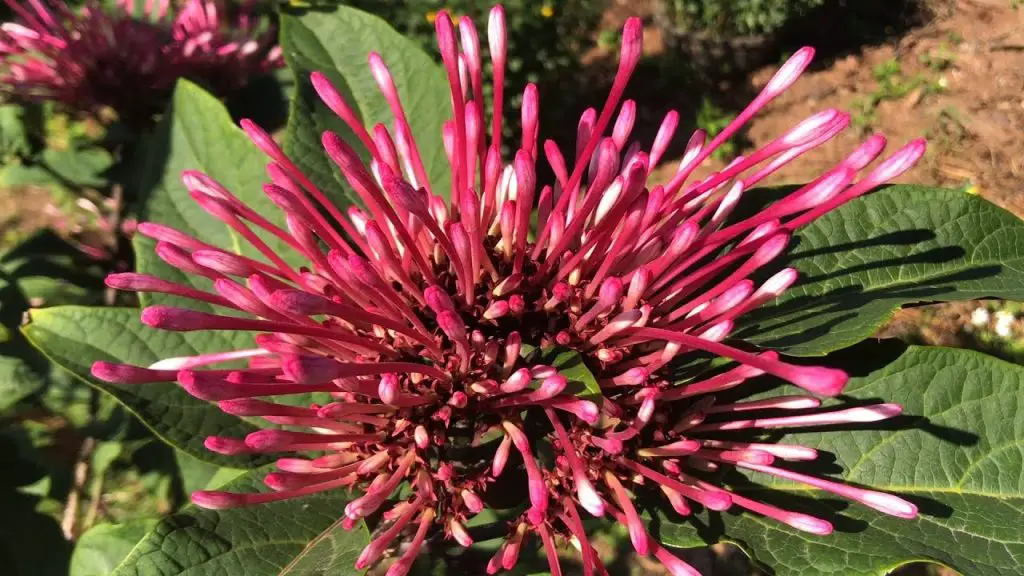
Clerodendrum quadriloculare, commonly known as fireworks plant, is celebrated for its stunning, showy flowers and lush foliage. Here’s a comprehensive guide on how to successfully grow this beautiful plant from a young age until it blooms.
1. Choosing the Right Environment
Fireworks plants thrive in warm climates. Ensure you plant them in an area with full sun to partial shade, as they prefer bright light but can tolerate some afternoon shade.
2. Soil Requirements
Use well-draining soil enriched with organic matter. A mix of potting soil and compost works well, providing the necessary nutrients while allowing for proper drainage.
3. Starting from Seeds or Cuttings
You can grow Clerodendrum quadriloculare from seeds or cuttings:
- Seeds: Start by soaking the seeds in warm water for 24 hours to improve germination rates. Plant them about ¼ inch deep in seed trays.
- Cuttings: Take 6-8 inch cuttings from healthy plants, removing the lower leaves. Dip the cut ends in rooting hormone and plant them in moist potting mix.
4. Watering Guidelines
Keep the soil consistently moist but not soggy. Water regularly, especially during dry spells, ensuring good drainage to prevent root rot.
5. Fertilization
Feed your fireworks plant with a balanced liquid fertilizer every 4-6 weeks during the growing season. This will encourage healthy growth and vibrant blooms.
6. Pruning for Shape and Growth
Prune your plant regularly to maintain its shape and encourage bushier growth. Trim back leggy stems and remove any dead or damaged leaves.
7. Pest and Disease Management
Watch for common pests like aphids and spider mites. If you notice any infestations, treat them with insecticidal soap or neem oil. Good air circulation can also help prevent diseases.
8. Preparing for Flowering
As the plant matures, it will start to develop flower buds. Ensure it continues to receive adequate light and nutrients during this phase. You can reduce watering slightly as the plant prepares to bloom.
9. Enjoying the Blooms
The fireworks plant typically begins to flower in late summer to early fall. Its unique flowers will attract pollinators like bees and butterflies, adding beauty to your garden.
10. Post-Bloom Care
After flowering, allow the plant to continue growing. Remove spent blooms to encourage a second round of flowering and maintain overall plant health.
By following these steps, you can successfully grow Clerodendrum quadriloculare from a young plant to a stunning flowering spectacle. Enjoy the vibrant beauty this plant brings to your garden!