Growing roses from branches, also known as cuttings, is a rewarding method to propagate these beloved flowers and expand your garden with new varieties. This article explores how to successfully plant rose branches to cultivate healthy and vibrant roses.
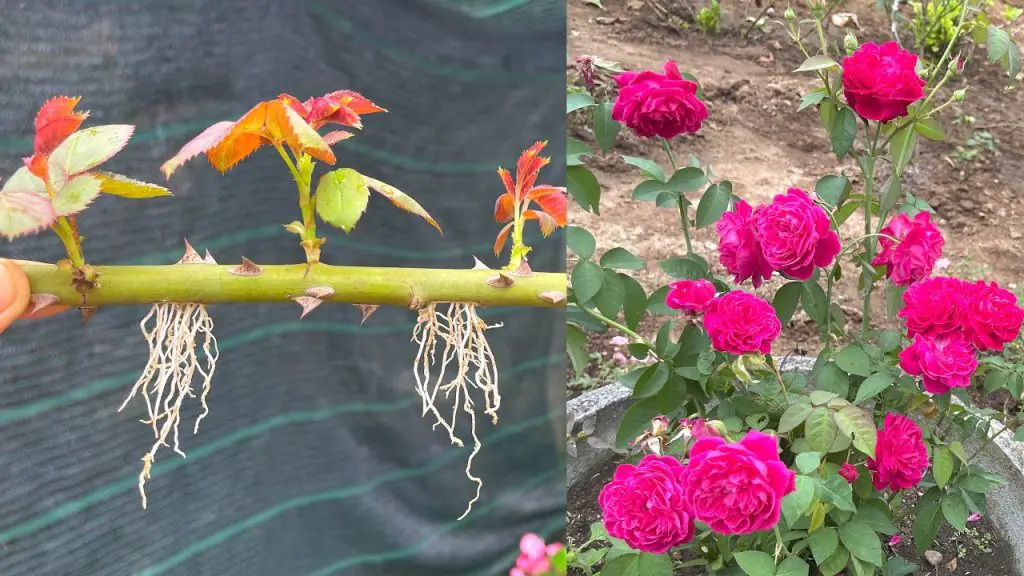
Selecting and Preparing Rose Branches
Start by selecting healthy rose branches from a mature plant. Choose stems that are approximately pencil-thick and free from diseases or pests. Cut the branches at a 45-degree angle just below a leaf node using sharp, clean pruning shears.
Planting Techniques
- Preparing the Cuttings: Remove any flowers and lower leaves from the rose branches to expose nodes where roots will form. Optionally, dip the cut ends in rooting hormone powder to stimulate root development.
- Planting in Soil: Choose a well-draining potting mix or create a blend of equal parts perlite and peat moss. Insert the rose branches into the soil, ensuring at least two nodes are buried beneath the surface. Firm the soil gently around the base of each cutting for stability.
- Watering and Placement: Water the soil thoroughly after planting to settle it around the cuttings. Place the container in a location with indirect sunlight to encourage root growth. Keep the soil consistently moist but not waterlogged.
Care and Maintenance
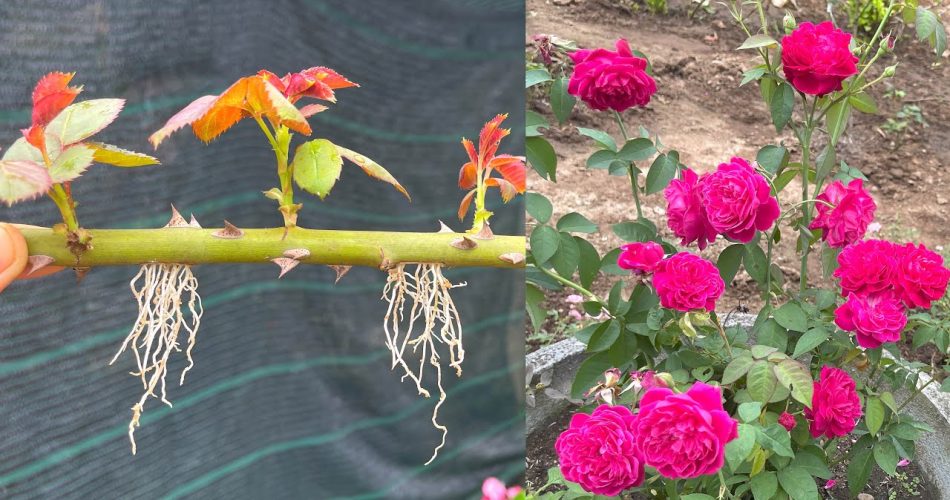
- Monitoring Growth: Monitor the cuttings regularly for signs of new growth, including emerging leaves and roots. This typically occurs within 4-6 weeks, depending on environmental conditions and rose variety.
- Transplanting: Once the roots are well-established (approximately 1-2 inches long), carefully transplant each rose cutting into individual pots filled with potting soil. Handle the roots gently to avoid damage during transplantation.
Tips for Success
- Timing: Propagate rose branches during the active growing season, typically in spring or early summer, when plants are actively growing and root development is optimal.
- Environment: Maintain a consistent temperature and humidity level around the cuttings to support healthy root growth and overall plant vigor.
- Patience: Growing roses from cuttings requires patience as roots may take several weeks to develop fully. Provide consistent care and avoid disturbing the cuttings unnecessarily.
Conclusion
Planting rose branches is a fulfilling method to propagate roses and expand your garden collection. By following these steps and tips, you can successfully grow healthy and vibrant roses from cuttings, preserving the beauty and charm of these timeless flowers. Embrace the process of planting rose branches and watch as your garden flourishes with blooming roses. Happy gardening!