If you’re looking to add some greenery to your indoor space, Pedilanthus tithymaloides, commonly known as the Indian Corn Plant or Devil’s Backbone, is an excellent choice. This unique and hardy plant can thrive indoors with minimal care, making it a perfect addition to your home or office. Here’s why Pedilanthus tithymaloides is a top pick for indoor gardening and how you can ensure its success.
Why Choose Pedilanthus tithymaloides?
Pedilanthus tithymaloides stands out for several reasons:
- Adaptability: This plant is well-suited for indoor environments and can adapt to various light conditions, although it prefers bright, indirect light.
- Low Maintenance: It’s a low-maintenance plant that requires minimal care, making it ideal for busy individuals or those new to indoor gardening.
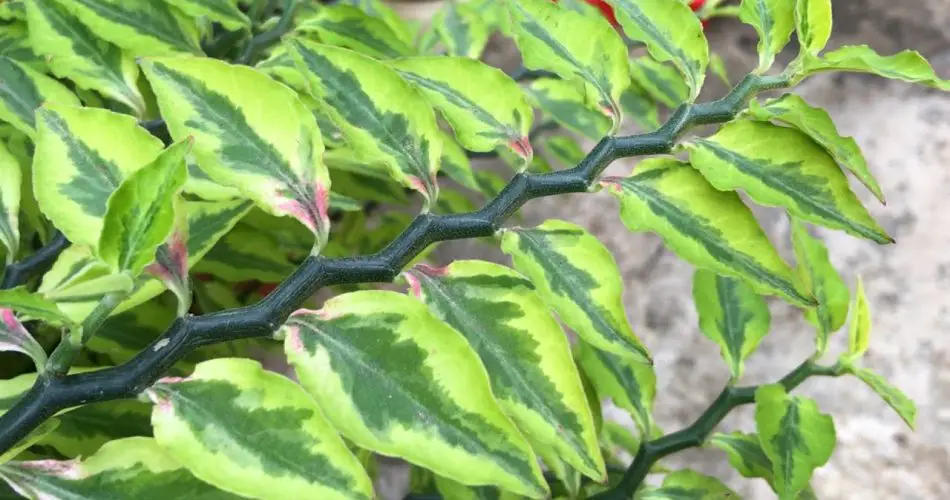
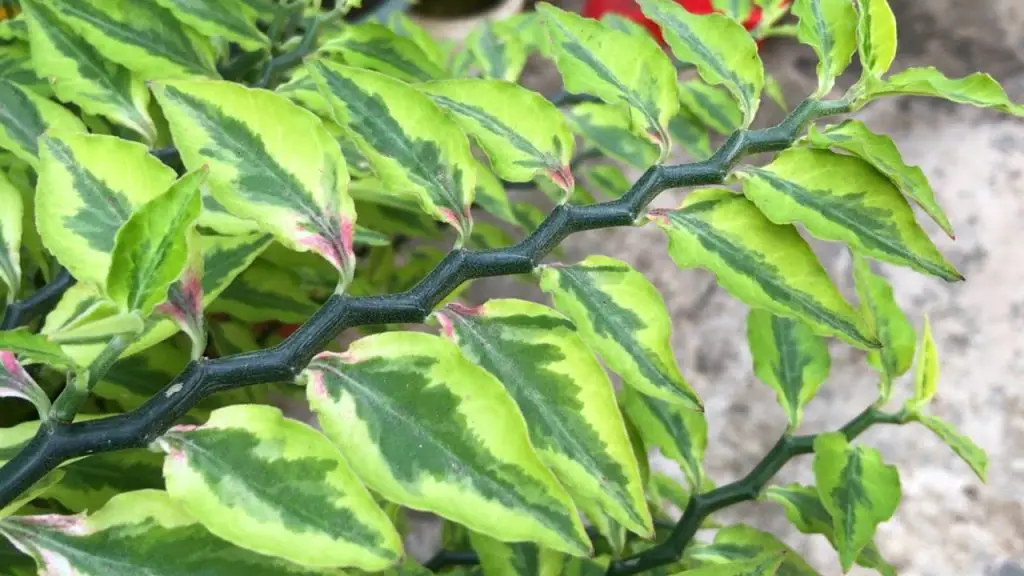
- Distinctive Appearance: The plant’s succulent-like stems and unique, zigzag pattern give it a distinctive appearance that adds visual interest to any room.
Care Tips for Pedilanthus tithymaloides
To keep your Pedilanthus tithymaloides thriving indoors, follow these care guidelines:
- Lighting: Place your plant in a location with bright, indirect light. While it can tolerate lower light levels, optimal light conditions will promote better growth and more vibrant foliage.
- Watering: Allow the top 1-2 inches of soil to dry out between waterings. Pedilanthus tithymaloides is drought-tolerant and prefers to be slightly on the dry side. Overwatering can lead to root rot, so be cautious not to water too frequently.
- Soil: Use a well-draining potting mix to ensure proper drainage. A mix designed for succulents or cacti is often ideal, as it helps prevent waterlogged soil.
- Temperature and Humidity: This plant thrives in typical indoor temperatures ranging from 60-75°F (15-24°C). It can tolerate a range of humidity levels, but it’s best to avoid extreme cold drafts or direct exposure to heaters and air conditioners.
- Fertilizing: Feed your Pedilanthus tithymaloides with a balanced liquid fertilizer every 4-6 weeks during the growing season (spring and summer). Reduce feeding in the fall and winter when the plant’s growth slows down.
- Pruning and Maintenance: Regularly remove any dead or damaged stems to keep the plant looking its best. Pruning can also help maintain its shape and encourage new growth.
Benefits of Growing Pedilanthus tithymaloides Indoors
- Air Purification: Like many indoor plants, Pedilanthus tithymaloides can help improve indoor air quality by filtering out pollutants and increasing oxygen levels.
- Aesthetic Appeal: Its striking zigzag stems and succulent-like leaves add a touch of exotic charm to your indoor space, making it a conversation piece.
- Stress Reduction: The presence of indoor plants like Pedilanthus tithymaloides can have a positive impact on mental well-being, reducing stress and enhancing the overall ambiance of your living area.
Potential Challenges
While Pedilanthus tithymaloides is relatively low-maintenance, be aware of the following:
- Toxicity: The plant’s latex-like sap can be mildly toxic if ingested. Keep it out of reach of pets and small children to avoid any accidental ingestion.
- Pests: Watch for common indoor plant pests such as mealybugs or spider mites. Regular inspection and prompt treatment can help manage any infestations.
Conclusion
Pedilanthus tithymaloides, or the Indian Corn Plant, is a fantastic choice for indoor gardening enthusiasts seeking a hardy and visually appealing plant. With its low-maintenance needs, unique appearance, and adaptability to indoor conditions, it’s a great addition to any home or office. By providing the right light, water, and soil conditions, you can enjoy a flourishing Pedilanthus tithymaloides that enhances your indoor space with minimal effort.