Moth plants (also known as Purple Oxalis) are unique, vibrant plants that can add a beautiful touch to any garden or indoor space. Known for their purple foliage and delicate flowers, these plants are relatively easy to propagate and grow. If you’re looking to propagate moth plants using leaves or are interested in planting your own Purple Oxalis, here’s a step-by-step guide to help you get started.
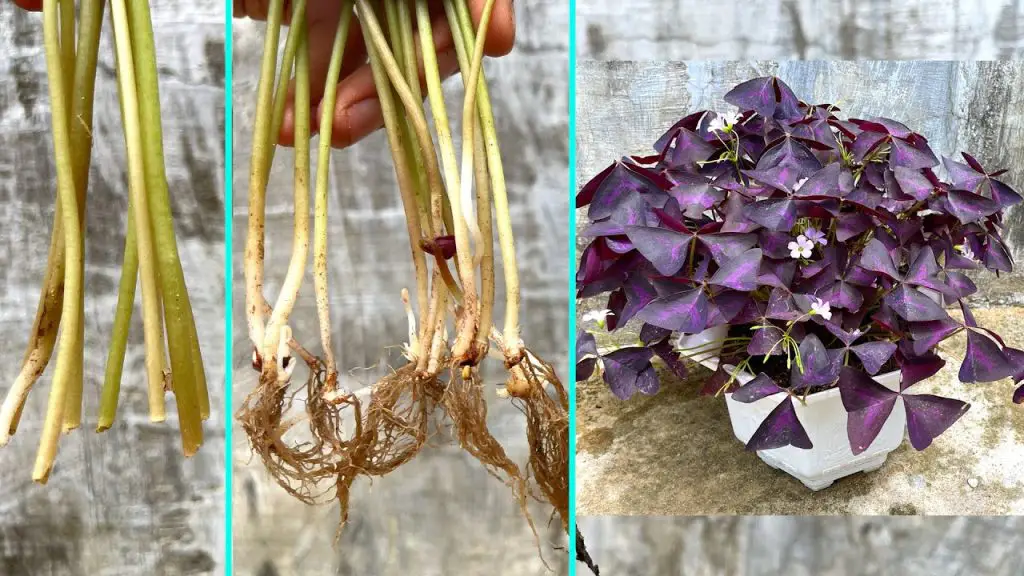
1. Understanding Moth Plants (Purple Oxalis)
Purple Oxalis, also called Oxalis triangularis or Moth plant, is a striking plant known for its triangular-shaped leaves that are typically deep purple. It’s a low-maintenance plant that is ideal for indoor environments, and it can also thrive in outdoor gardens in the right conditions. It produces small, pale flowers and is an excellent choice for those wanting a unique and beautiful plant in their collection.
2. Propagating Moth Plants by Leaves
One of the easiest ways to propagate moth plants is by using their leaves. Propagation through leaves ensures you get a new plant with the same characteristics as the parent, and it’s a fun way to grow new plants without the need for seeds.
Follow these steps to propagate your moth plant:
a. Choose Healthy Leaves
Select healthy, mature leaves from the moth plant. Look for leaves that are free from pests and disease, and avoid leaves that are overly damaged or too old.
b. Prepare the Leaves for Propagation
Use a sharp, clean knife or scissors to cut the selected leaves from the main plant. Make sure to leave a small stem attached to the base of the leaf. The leaves should be fresh and undamaged to give them the best chance of rooting.
c. Plant the Leaves
You can propagate the leaves in a few different ways. The most common method is to place the leaves flat on top of moist soil or gently press them into the soil. Another option is to place the leaf in a small pot filled with well-draining soil, ensuring the stem or base of the leaf is covered just slightly.
- Keep the soil moist but not soggy. Overwatering can lead to root rot.
- A humid environment helps the cutting establish roots more quickly, so consider placing a plastic bag or dome over the leaf to create a mini greenhouse effect.
d. Provide Adequate Light
Place the pot with the leaf in a spot that gets indirect sunlight. Direct sunlight can cause the leaf to burn, so it’s important to choose a location that provides bright, filtered light.
3. Caring for the New Plant
Once you’ve planted the leaf and it has begun to root, your moth plant will need proper care to grow into a strong, healthy plant.
a. Watering
Ensure the soil remains consistently moist but not waterlogged. The newly propagated plant will need regular watering, but always allow excess water to drain from the pot.
b. Temperature and Humidity
Moth plants thrive in warm environments, with temperatures ranging between 65°F and 75°F (18°C – 24°C). A humid atmosphere is also beneficial, so consider placing the plant in a room with good humidity or using a humidity tray.
c. Fertilizing
Fertilize your new moth plant with a balanced liquid fertilizer once every 4-6 weeks to encourage healthy growth. Avoid fertilizing too often, as this can harm the plant.
4. Re-potting and Growth
As the moth plant continues to grow, you’ll want to re-pot it into a slightly larger container once it has outgrown its initial pot. Ensure the new pot has good drainage and a mix of well-draining potting soil.
Once the plant matures, it will reward you with its stunning purple foliage and delicate white flowers. If cared for properly, moth plants can thrive for years, growing into beautiful, lush plants that add charm to your home or garden.
5. Benefits of Propagating Moth Plants
There are several reasons why propagating moth plants by leaves is a great option for plant lovers:
- Cost-Effective: Propagating by leaves allows you to grow more plants without the need to purchase new ones.
- Easy Process: Leaf propagation is a simple and effective method for those who are new to plant propagation.
- Unique Decor: Purple Oxalis plants add a pop of color and unique foliage to any space, making them a great decorative element.
Conclusion: Enjoying Your Beautiful Moth Plant
With the right care and attention, you can easily propagate and grow your own Purple Oxalis or moth plant from leaves. This unique plant is an excellent addition to any indoor space or garden. Follow these simple steps to ensure your moth plant thrives, and soon you’ll enjoy the beauty of its triangular leaves and delicate flowers for years to come. Happy gardening!