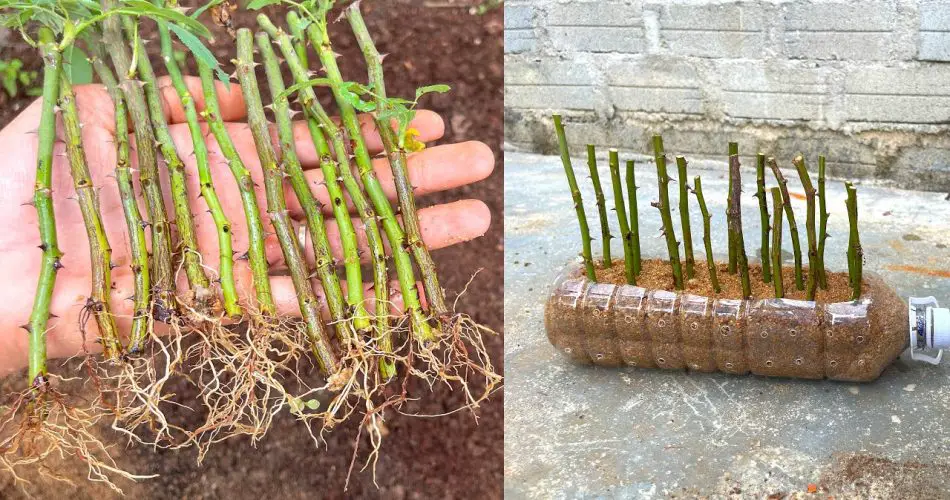
Growing roses can be an enriching experience, but it’s even more rewarding when you incorporate sustainable practices into your gardening routine. One innovative way to propagate roses is by using recycled plastic bottles as pots. This eco-friendly method not only helps reduce waste but also provides an effective and cost-efficient solution for starting new rose plants. Here’s how to use recycled plastic bottles for rose propagation and ensure a thriving rose garden.

Why Use Plastic Bottles for Rose Propagation?
Using recycled plastic bottles offers several benefits:
- Eco-Friendly: Recycling plastic bottles reduces waste and minimizes the use of new materials, contributing to a greener environment.
- Cost-Effective: Reusing plastic bottles eliminates the need to purchase new pots, making it a budget-friendly option for gardeners.
- Customizable: Plastic bottles can be easily modified to suit various propagation needs, providing a versatile solution for growing roses.
How to Prepare Plastic Bottles for Rose Propagation
- Choose the Right Bottles:
- Size and Type: Select plastic bottles that are at least 16-32 ounces in size. Look for bottles that are clean and free from labels and residues.
- Prepare the Bottles:
- Cutting: Using a sharp knife or scissors, carefully cut the plastic bottles in half. The bottom half will serve as the propagation pot. You can also cut the top to create smaller pots for seedlings.
- Create Drainage Holes:
- Drill Holes: Make small drainage holes in the bottom of the plastic bottle to prevent waterlogging and ensure proper drainage. Use a drill or a heated nail to create the holes.
- Add Soil and Medium:
- Soil Mix: Fill the bottom half of the bottle with a well-draining potting mix. A mix of peat moss, perlite, and compost works well for rose propagation.
Steps for Propagating Roses Using Plastic Bottles
- Prepare Rose Cuttings:
- Select Cuttings: Choose healthy rose cuttings from a mature plant. Ideally, the cuttings should be about 6 inches long with several leaves and a few nodes.
- Treat Cuttings:
- Rooting Hormone: Dip the cut end of the rose cuttings into rooting hormone powder to encourage root development.
- Plant the Cuttings:
- Insert Cuttings: Insert the cuttings into the soil in the plastic bottle, ensuring that at least one node is buried in the soil. Space the cuttings a few inches apart.
- Water and Cover:
- Watering: Water the soil lightly to keep it moist but not soggy. Avoid overwatering to prevent root rot.
- Covering: Place a clear plastic bag or plastic wrap over the top of the bottle to create a mini-greenhouse effect. This helps maintain high humidity and promotes rooting.
Care and Maintenance
- Light and Temperature:
- Light: Place the plastic bottles in a location with bright, indirect light. Avoid direct sunlight, which can overheat the cuttings.
- Temperature: Maintain a consistent temperature of 65-75°F (18-24°C) for optimal rooting conditions.
- Monitoring:
- Check Regularly: Monitor the cuttings for signs of root development and mold. Open the covering periodically to allow fresh air and prevent fungal growth.
- Transplanting:
- Root Development: Once the cuttings have developed a healthy root system, usually in 4-6 weeks, they can be transplanted into larger pots or directly into the garden.
Benefits of Using Recycled Plastic Bottles
- Sustainability: Reducing plastic waste and promoting recycling supports environmental conservation efforts.
- Cost Savings: Utilizing recycled bottles cuts down on the cost of new propagation pots, making gardening more affordable.
- Effective Propagation: Plastic bottles provide a suitable environment for rose cuttings to root and grow, offering a practical solution for home gardeners.
Conclusion
Recycling plastic bottles for rose propagation is an innovative and sustainable gardening practice that benefits both the environment and your rose garden. By using recycled bottles, you can create effective and cost-efficient propagation pots that support healthy rose growth. Follow these steps to successfully propagate roses and enjoy the satisfaction of cultivating beautiful blooms while contributing to a greener planet.