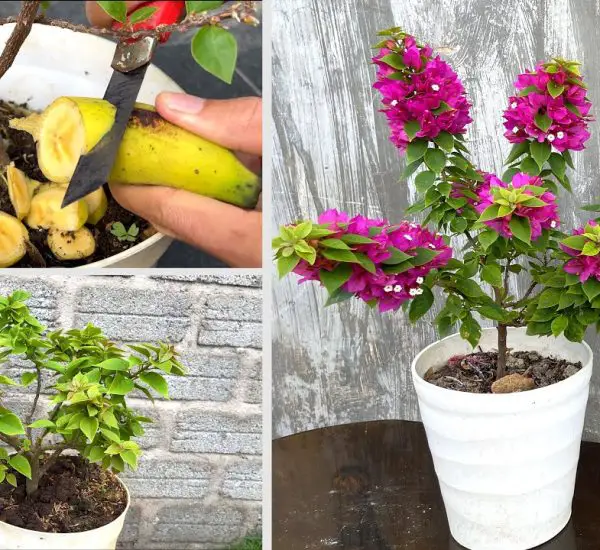
Propagating roses using banana juice is an innovative and natural method that leverages the beneficial properties of bananas to enhance the success rate of rose cuttings. This approach not only offers a unique alternative to conventional rooting hormones but also utilizes an easily accessible and eco-friendly resource. Here’s a comprehensive guide on how to propagate roses with banana juice and why it works.
Why Use Banana Juice for Rose Cuttings?
Banana juice is becoming a popular choice for propagating roses due to several beneficial properties:
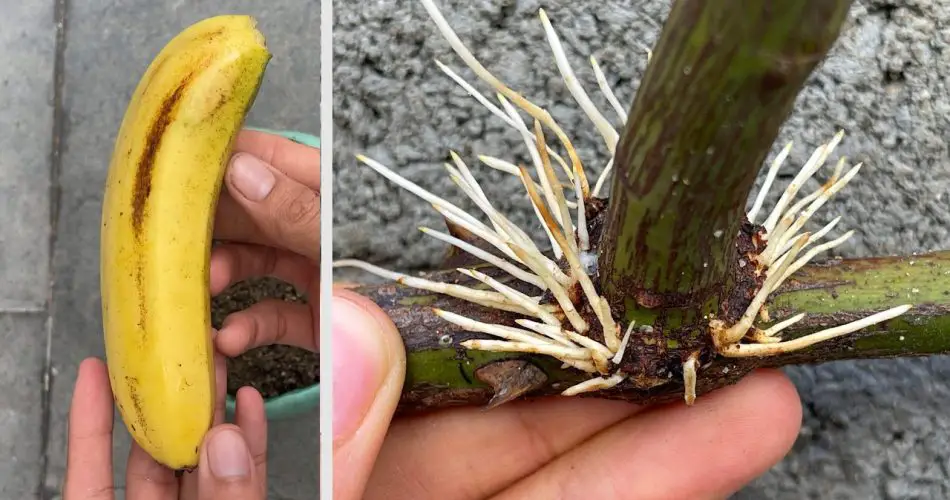
- Natural Growth Hormones: Bananas are rich in auxins and cytokinins, which are natural plant hormones that stimulate root development and cell division. These hormones can enhance the rooting process of rose cuttings.
- Nutrient-Rich: Bananas provide essential nutrients such as potassium, phosphorus, and calcium, which are beneficial for plant growth and development.
- Eco-Friendly: Using banana juice is an environmentally friendly alternative to synthetic rooting hormones, reducing chemical use in gardening.
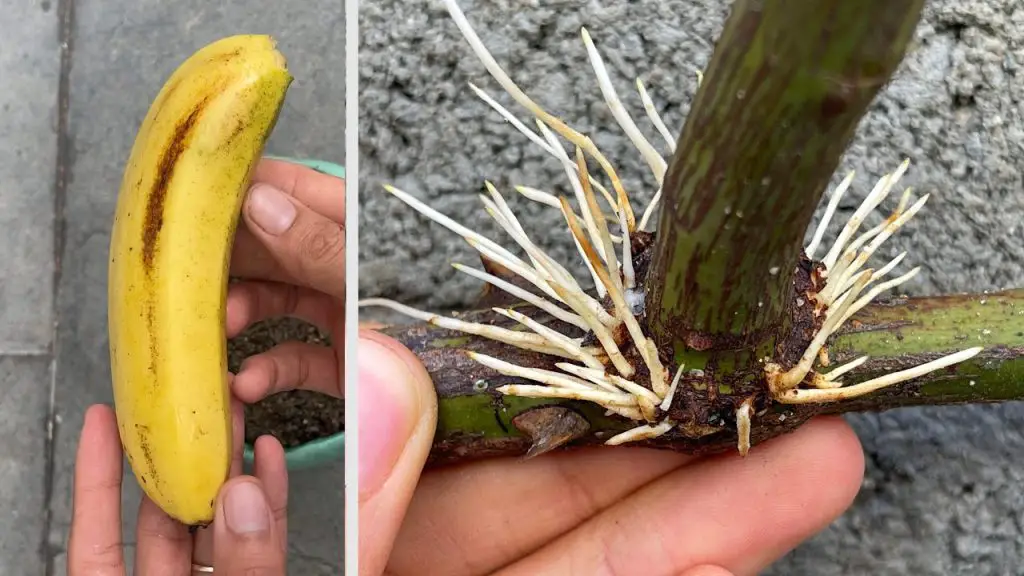
How to Prepare and Use Banana Juice for Rose Cuttings
Follow these steps to effectively propagate roses using banana juice:
- Prepare the Banana Juice:
- Extract Juice: Blend one ripe banana with a small amount of water to create a smooth, thick mixture. Strain the mixture through a fine sieve or cheesecloth to obtain clear banana juice.
- Alternative Method: You can also use banana peels by soaking them in water for 24-48 hours, then straining the liquid to use as a banana juice substitute.
- Prepare the Rose Cuttings:
- Select Cuttings: Choose healthy rose cuttings from the parent plant. The cuttings should be about 4-6 inches long and have at least 2-3 leaf nodes.
- Trim and Prepare: Make a clean cut just below a leaf node, and remove any excess leaves from the bottom half of the cutting. Dip the cut end of the rose cutting into the banana juice, ensuring it is well-coated.
- Rooting Medium:
- Prepare Pots or Containers: Fill small pots or seed trays with a well-draining potting mix such as a blend of perlite and peat moss.
- Plant the Cuttings: Make small holes in the soil with a pencil or stick, then insert the banana juice-coated rose cuttings into the holes. Gently press the soil around the base of the cuttings to secure them.
- Create the Right Environment:
- Humidity: Cover the pots with a clear plastic dome or plastic wrap to maintain high humidity, which helps prevent the cuttings from drying out.
- Light and Temperature: Place the pots in a location with bright, indirect light and maintain a temperature of 65-75°F (18-24°C) to encourage root growth.
- Care and Maintenance:
- Watering: Keep the soil consistently moist but not waterlogged. Water the cuttings as needed, ensuring good drainage to prevent root rot.
- Monitoring: Check the cuttings regularly for signs of root development and any potential issues such as mold or pests.
- Transplanting:
- Once the cuttings have developed a healthy root system, typically within 4-8 weeks, they can be transplanted into larger pots or directly into the garden. Gradually acclimate the new plants to outdoor conditions before planting them in their permanent location.
Benefits of Using Banana Juice
- Enhanced Rooting: The natural growth hormones in banana juice can improve the success rate of rooting and accelerate the process.
- Cost-Effective: Bananas are readily available and affordable, making this method a budget-friendly alternative to commercial rooting hormones.
- Sustainable: Utilizing banana juice promotes sustainable gardening practices by reducing reliance on synthetic chemicals.
Using banana juice to propagate roses is a creative and effective method that harnesses the natural growth-promoting properties of bananas. By following these steps, gardeners can achieve better rooting results, improve plant health, and enjoy the satisfaction of growing beautiful roses from cuttings. This eco-friendly approach not only enhances your gardening practices but also contributes to a more sustainable and natural gardening experience.