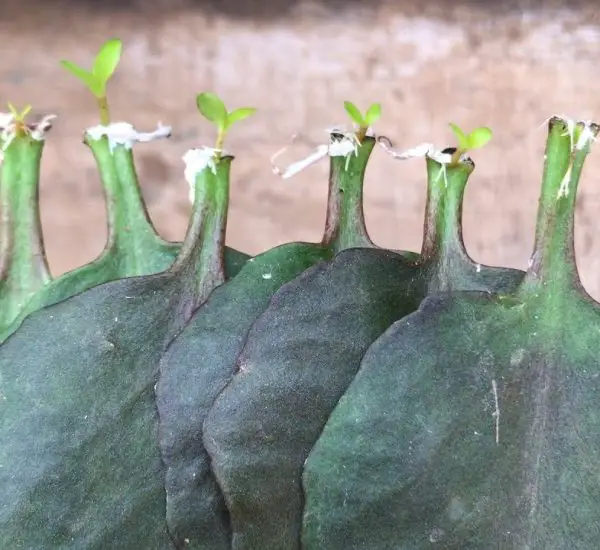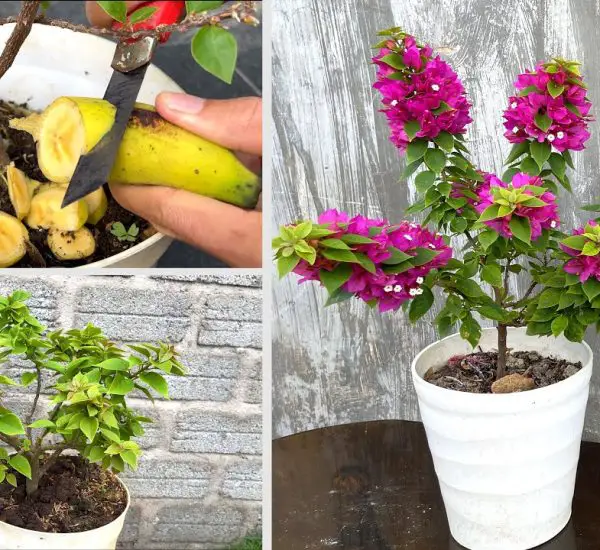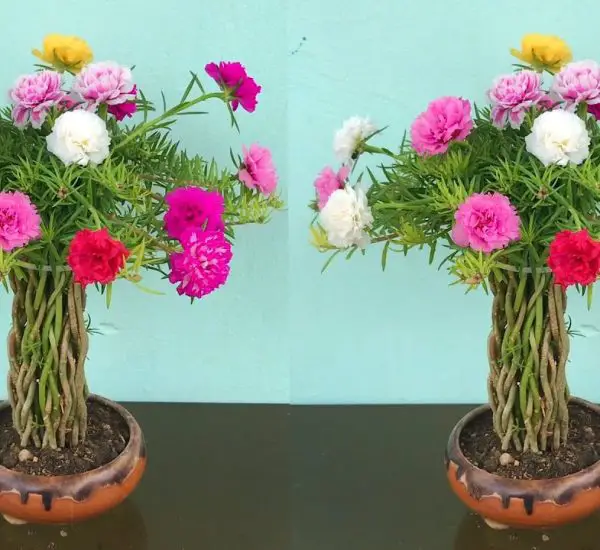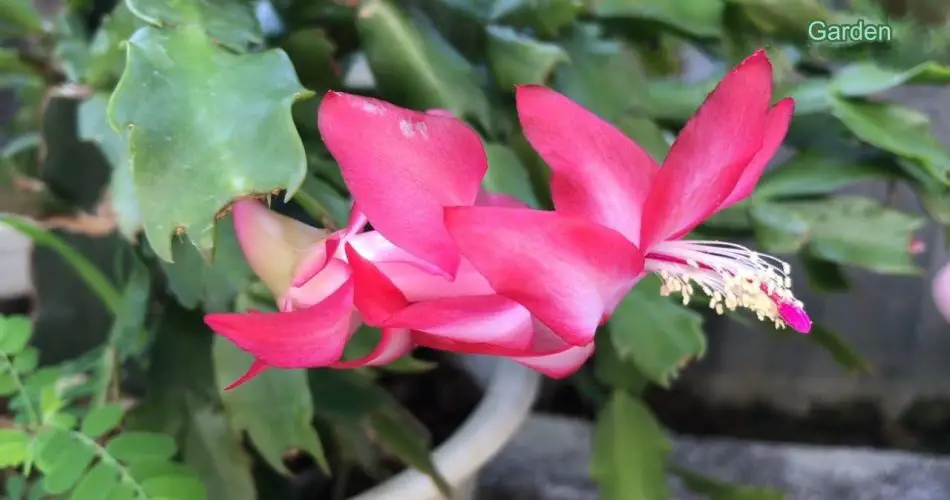
Grafting a Christmas cactus onto a dragon fruit tree may sound unusual, but it’s an innovative way to combine the beauty of these two distinct plants. Understanding the right time to perform this grafting operation is crucial for success. Here’s a detailed guide on when and how to graft your Christmas cactus onto a dragon fruit tree to achieve a thriving, unique plant combination.
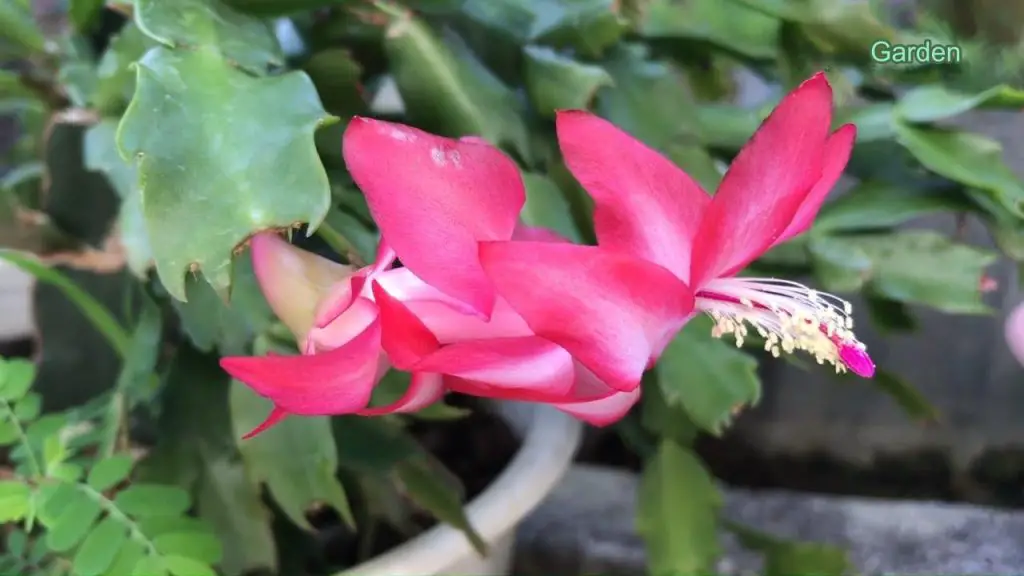
Why Graft Christmas Cactus onto a Dragon Fruit Tree?
Grafting these plants can offer several benefits:
- Unique Aesthetic: Combining the vivid blooms of the Christmas cactus with the exotic fruit of the dragon fruit tree creates a visually striking and conversation-worthy plant.
- Extended Growing Season: The Christmas cactus can add year-round interest to the dragon fruit tree, which typically has a more seasonal growth pattern.
- Increased Resilience: Grafting can potentially enhance the resilience of both plants, as the dragon fruit tree may provide a more robust root system for the Christmas cactus.
Timing for Grafting
The success of grafting depends significantly on the timing. Here’s when to graft:
- Best Time for Grafting:
- Spring or Early Summer: The ideal time to graft is during spring or early summer when both plants are in their active growing phases. This timing ensures that the grafted tissues can grow and integrate effectively.
- Temperature Conditions:
- Warm Temperatures: Ensure that the temperatures are consistently warm, ideally between 70-85°F (21-29°C). This warmth encourages faster healing and growth of the graft union.
- Plant Health:
- Active Growth Period: Perform the grafting when both the Christmas cactus and the dragon fruit tree are actively growing. This period provides the best conditions for the grafted tissues to establish and unite.
How to Graft Christmas Cactus onto Dragon Fruit Tree
- Preparation:
- Select Healthy Plants: Choose a healthy Christmas cactus and a dragon fruit tree with compatible growth stages. The Christmas cactus should be well-established and free of disease.
- Prepare the Scion and Rootstock:
- Scion Preparation: Cut a healthy segment of the Christmas cactus, ideally a segment with several cladodes (pads).
- Rootstock Preparation: Prepare the dragon fruit tree by selecting a suitable branch or stem where the graft will be made.
- Performing the Graft:
- Make a Clean Cut: Make a clean cut on both the scion (Christmas cactus) and the rootstock (dragon fruit tree) to ensure a good fit.
- Join the Tissues: Align the cut surfaces of the scion and rootstock. Secure them together using grafting tape or rubber bands. Ensure the vascular tissues are aligned for successful graft union.
- Post-Grafting Care:
- Maintain Moisture: Keep the graft site moist but not waterlogged. Mist the area if necessary to maintain humidity and aid in healing.
- Provide Support: Support the grafted area with stakes or other structures if needed to keep the scion and rootstock firmly in place.
Monitoring and Maintenance
- Check for Success: Monitor the graft site for signs of successful union, such as new growth emerging from the grafted area. It may take several weeks to a few months for the graft to fully integrate.
- Regular Care: Continue regular care for both plants, including watering, fertilizing, and pruning as needed. Ensure the Christmas cactus receives adequate light and the dragon fruit tree gets enough sunshine.
Conclusion
Grafting a Christmas cactus onto a dragon fruit tree is a creative way to blend two fascinating plants. To ensure a successful graft, perform the operation during the optimal spring or early summer period when both plants are actively growing and the temperatures are warm. By following proper grafting techniques and providing adequate care, you can enjoy a unique and thriving plant that combines the charm of the Christmas cactus with the exotic appeal of the dragon fruit tree.