Growing roses is a rewarding gardening endeavor that brings beauty and fragrance to any space. Whether you’re an experienced gardener or a beginner, learning how to propagate roses from cuttings is a great way to expand your rose garden. Coconut fiber, also known as coir, is an excellent medium for rooting rose cuttings due to its moisture retention and good drainage properties. In this article, we’ll share tips for cutting roses in coconut fiber and the step-by-step process for growing roses from cuttings.
Why Use Coconut Fiber for Rose Cuttings?
Coconut fiber is a natural and eco-friendly growing medium derived from the husk of coconuts. It has become a popular choice for propagating plants, including roses, for several key reasons:
- Moisture Retention: Coconut fiber holds moisture well without becoming soggy, ensuring that the rose cuttings stay hydrated but don’t suffer from waterlogging.
- Good Drainage: It provides excellent drainage, preventing root rot that can occur in overly wet soil.
- Aeration: Coconut fiber allows air to reach the roots, promoting healthy root development.
- Sterility: Coir is free of pathogens and pests, making it a safe medium for starting rose cuttings.
By using coconut fiber, you can give your rose cuttings the best chance of successful rooting and growth.
How to Take Rose Cuttings for Coconut Fiber Propagation
Before you begin planting your rose cuttings in coconut fiber, it’s important to know how to properly take the cuttings. Here’s how to do it:
- Choose a Healthy Rose Plant
Select a healthy, disease-free rose plant that has strong, mature stems. Avoid stems that are too young or too woody, as they may not root as easily. - Cut the Stem
Use a sharp, sterilized pruning shear to cut a 6-8 inch long stem just below a node (the small bump where leaves or branches emerge). Ensure the cutting is taken from the middle part of the stem—not too soft and not too hard. Remove any flowers or buds, as they can divert energy away from rooting. - Prepare the Cutting
Trim the leaves of the cutting, leaving just a couple of leaves at the top. This helps to reduce moisture loss while the cutting is rooting. If the leaves are too large, they may wilt and stress the cutting. - Dip the Cutting in Rooting Hormone (Optional)
While not necessary, applying rooting hormone to the cut end of the rose stem can help stimulate root growth. Simply dip the cut end of the stem into the powder or gel, tapping off any excess.
Planting Rose Cuttings in Coconut Fiber
Once you’ve prepared the cutting, it’s time to plant it in coconut fiber. Here’s a step-by-step guide:
- Prepare the Coconut Fiber
Begin by hydrating the coconut fiber if it’s dry. Coconut fiber usually comes in compressed blocks that need to be soaked in water before use. Once hydrated, the coir should be moist but not waterlogged. You can either use pre-mixed coconut fiber from a gardening store or make your own mix by combining coir with a little perlite or sand to enhance drainage. - Fill the Container
Select a small container, such as a plastic pot or nursery tray, that has drainage holes. Fill the container with the prepared coconut fiber, leaving about 1 inch of space at the top. - Insert the Cutting
Make a small hole in the coconut fiber with a pencil or stick, then insert the cutting into the hole, ensuring that the cut end is buried about 2-3 inches deep in the coconut fiber. Gently firm the medium around the cutting to secure it in place. - Water the Cutting
Water the cutting lightly after planting, ensuring that the coconut fiber is evenly moist but not soggy. Over-watering can cause rot, so ensure that excess water can drain away.
Caring for Rose Cuttings in Coconut Fiber
Now that your rose cuttings are planted in coconut fiber, proper care is essential to help them root and grow strong. Here’s what to do next:
- Create a Humid Environment
To encourage rooting, place the cutting in a humid environment. You can create this by covering the container with a clear plastic bag or using a mini greenhouse. This helps retain moisture around the cutting and creates a warm environment for root growth. Be sure to allow some air circulation to prevent mold growth. - Place in Indirect Light
Place the cutting in a location with bright, indirect light. Avoid direct sunlight, as this can cause the cutting to overheat and dry out. A location near a window with filtered light or under a grow light is ideal. - Keep the Coconut Fiber Moist
Check the moisture levels regularly and mist the cutting if needed to keep the coconut fiber slightly damp. Avoid over-watering, as this can lead to root rot. - Be Patient and Wait for Roots
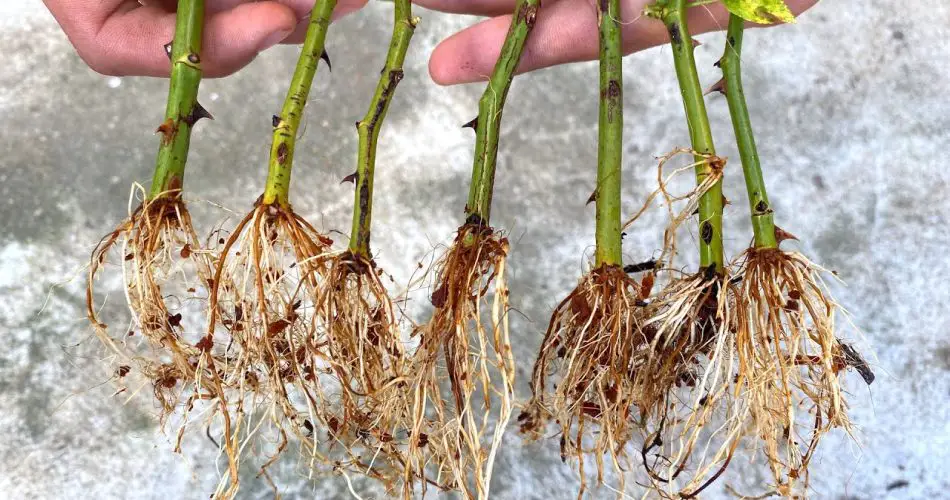
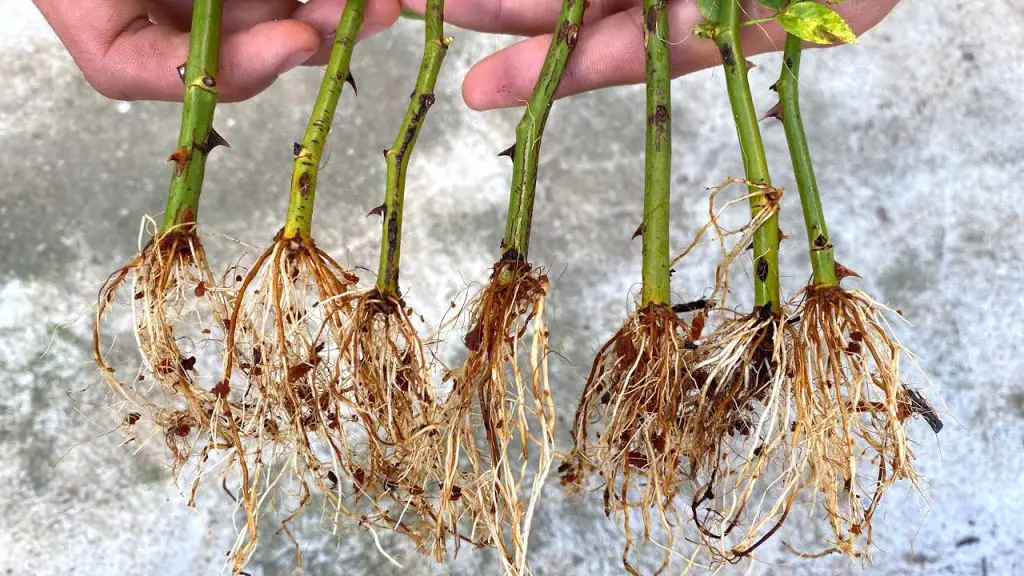
It can take anywhere from 2-8 weeks for rose cuttings to root, depending on the variety and environmental conditions. Check the cutting occasionally by gently pulling on it—if it resists, roots have likely formed.
Transplanting Rooted Rose Cuttings
Once your rose cutting has developed a strong root system, it’s time to transplant it into a larger container or directly into the ground.
- Prepare the Soil
Choose a well-draining soil for planting. If transplanting into a container, use a good-quality potting mix. If planting in the ground, ensure the soil is rich in organic matter and drains well. - Transplant the Cutting
Gently remove the rooted cutting from the coconut fiber and plant it in the new soil. Water thoroughly after planting and provide adequate light and care to encourage continued growth.
Tips for Success
- Choose the Right Rose Variety: Some rose varieties are easier to propagate than others. Hybrid tea roses and floribundas are often good choices for beginners.
- Maintain Optimal Temperature: Rose cuttings root best at temperatures between 65-75°F (18-24°C). Too hot or too cold can slow down or prevent rooting.
- Prune Regularly: Once your rose is established, regular pruning will help keep it healthy and encourage more blooms.
Conclusion
Cutting roses in coconut fiber is an effective and sustainable way to propagate these beautiful plants. By following the proper steps and caring for your cuttings, you can enjoy growing roses from cuttings in your garden or home. With the right care and patience, you’ll soon have a flourishing rose bush to enjoy for years to come! 🌹🌱