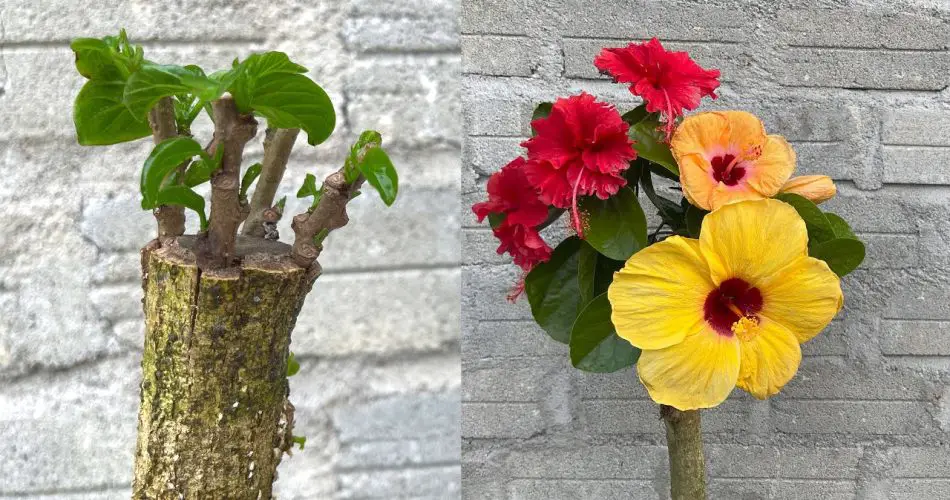
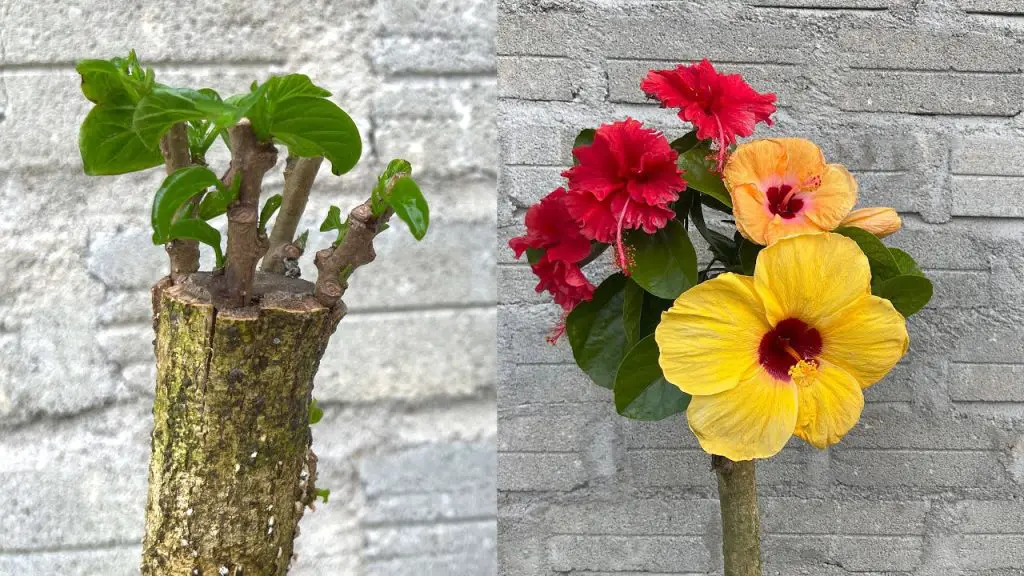
Grafting multi-colored hibiscus flowers onto a single stem is a unique and exciting way to create a show-stopping plant in your garden. This technique allows you to combine different hibiscus varieties with distinct flower colors and patterns, creating a breathtaking display of blooms all on one stem. If you’re looking for a way to experiment with your garden and add some creativity to your hibiscus collection, grafting multi-colored flowers can be a rewarding challenge. In this article, we’ll guide you through the process and provide essential tips for hibiscus flower planting.
Why Graft Multi-Colored Hibiscus Flowers?
Grafting hibiscus is an excellent way to get the best features of multiple varieties without the long wait for seedlings to grow. By grafting different-colored flowers onto a single stem, you can:
- Create a stunning visual effect: Imagine a hibiscus plant with vibrant red, pink, yellow, and white flowers blooming simultaneously. This colorful fusion will be a highlight in any garden.
- Increase flower variety: Grafting allows you to combine different types of hibiscus, like tropical and hardy varieties, giving you the ability to grow multiple flowers on a single plant.
- Save space: Instead of planting several hibiscus varieties, grafting them onto one stem lets you conserve space while still enjoying a variety of colors.
How to Graft Multi-Colored Hibiscus Flowers on 1 Stem
Grafting multiple hibiscus varieties onto a single stem requires a delicate and careful approach. Here’s a step-by-step guide to help you graft hibiscus flowers successfully:
1. Select the Right Hibiscus Varieties
Choose hibiscus varieties that are compatible for grafting. You’ll need a strong rootstock (the plant’s base) and several scions (the flower-producing branches) from different hibiscus plants. Make sure to select varieties with similar growth rates and flowering habits to ensure the grafts thrive together.
2. Prepare the Rootstock
Start by selecting a healthy rootstock hibiscus plant with a thick, sturdy stem. The rootstock should be well-established and disease-free. Cut the top of the rootstock at an angle where you plan to make the grafts. This cut will be the base for the multiple scions.
3. Prepare the Scions
Next, choose healthy scions from the hibiscus varieties you want to graft. Each scion should be about 4 to 6 inches long and taken from mature, blooming branches. Make angled cuts at the bottom of the scions, ensuring they are sized to match the rootstock for a secure connection.
4. Making the Grafts
There are a few different grafting techniques you can use, but the cleft grafting method is commonly used for hibiscus. Here’s how to do it:
- Make a vertical cut on the rootstock to create a cleft.
- Insert the scions into the cleft so that the cambium layers (the thin, green tissue under the bark) of the scion and rootstock are aligned.
- Secure the grafts: Use grafting tape or rubber bands to hold the scions in place. Make sure they are tightly secured but not constricting the growth of the scions.
5. Seal and Protect the Graft
After grafting, it’s essential to seal the grafts to prevent water or air from getting into the exposed tissue. Use grafting wax or tape to cover the cuts, ensuring a secure and protective barrier. This will also help the grafts heal and integrate with the rootstock.
6. Care for the Grafted Plant
For your multi-colored hibiscus to thrive, follow these care tips:
- Keep the grafts moist: Hibiscus plants prefer humid environments, so be sure to mist the grafts regularly to keep them hydrated.
- Provide indirect sunlight: After grafting, place the plant in a shaded location until the grafts have healed and started to grow. Once the grafts are established, move the plant to a sunny spot.
- Monitor for growth: Over time, the scions should begin to grow from the rootstock, and you’ll see multiple colors blooming on the same plant.
Tips for Successful Hibiscus Grafting
- Choose compatible varieties: When grafting, it’s important to select hibiscus varieties with similar growth habits. For example, tropical hibiscus varieties graft well with other tropical types, while hardy hibiscus can be grafted onto compatible hardy types.
- Be patient: Grafting takes time. It can take several weeks for the scions to fully integrate and for the flowers to bloom.
- Prune regularly: Once the grafts are successful, prune the plant to encourage new growth and remove any damaged or dead tissue.
Benefits of Grafting Multi-Colored Hibiscus
By grafting hibiscus flowers on one stem, you can enjoy several key benefits:
- Diverse color display: A single hibiscus plant can produce an array of colors and patterns, from bright yellows and pinks to deeper reds and purples.
- Improved hardiness: Grafting allows you to select a strong rootstock that enhances the plant’s ability to withstand environmental stresses like drought or disease.
- A unique garden feature: Grafted multi-colored hibiscus plants are eye-catching and add a creative element to your garden, making them a conversation starter.
Conclusion
Grafting multi-colored hibiscus flowers on one stem is an exciting and innovative way to add variety and beauty to your garden. Whether you’re a seasoned gardener or a beginner, this technique allows you to enjoy a vibrant array of hibiscus flowers without taking up much space. With a little patience and care, you can create a living masterpiece that will bloom in a stunning mix of colors all season long.
So, grab your pruning shears, select your favorite hibiscus varieties, and start grafting—your garden will thank you for it!