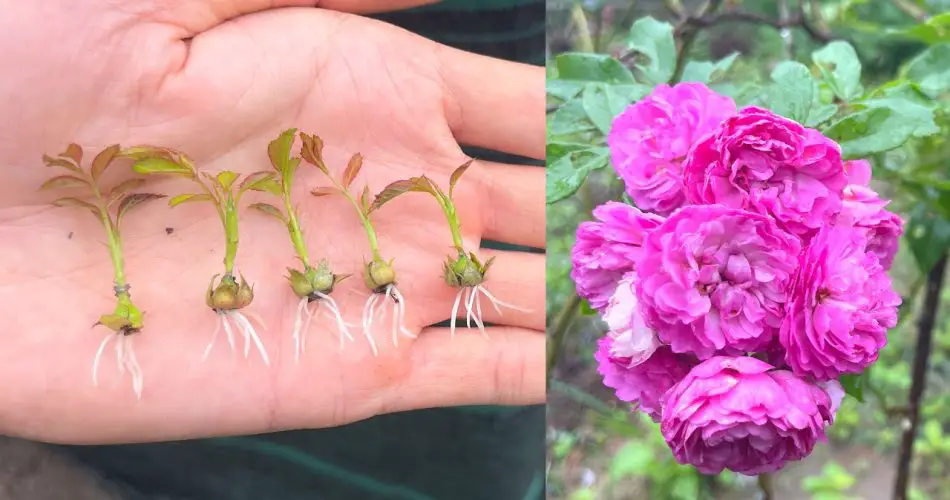
Growing roses from seeds is a rewarding process that allows gardeners to cultivate beautiful, unique varieties from scratch. While it requires patience and care, starting roses from seeds can be an enriching experience, offering a sense of accomplishment and a garden full of vibrant blooms. Here’s a comprehensive guide to help you successfully grow roses from seeds.
Why Grow Roses from Seeds?
Starting roses from seeds offers several benefits:
- Genetic Diversity: Growing from seeds can produce unique rose varieties with distinct colors and fragrances, enhancing the diversity of your garden.
- Cost-Effective: Seeds are often more affordable than purchasing mature plants or cuttings, making it a budget-friendly option for expanding your rose collection.
- Customization: By growing from seeds, you can experiment with different rose species and create custom blends tailored to your garden’s needs.
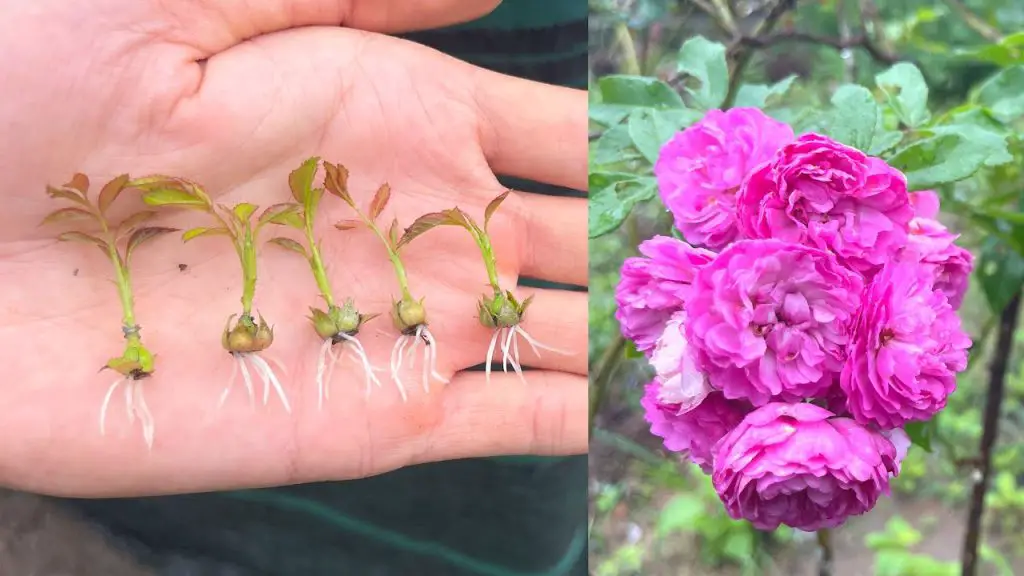
Steps to Grow Roses from Seeds
Follow these steps to successfully grow roses from seeds:
- Choose the Right Seeds:
- Select fresh rose seeds from a reputable supplier. Hybrid roses or seeds from heirloom varieties are good choices for successful germination and growth.
- Stratify the Seeds:
- Cold Stratification: Rose seeds require a period of cold stratification to break dormancy. Place the seeds in a moist paper towel inside a sealed plastic bag and refrigerate them for 4 to 6 weeks. This mimics winter conditions and encourages germination.
- Prepare the Growing Medium:
- Use a seed-starting mix that is light and well-draining. A mix of peat moss, perlite, and vermiculite works well to ensure proper aeration and moisture retention.
- Sow the Seeds:
- After stratification, sow the seeds in small pots or seed trays filled with the prepared mix. Press the seeds lightly into the soil but do not cover them too deeply, as they need light to germinate. Water the soil gently to keep it moist but not waterlogged.
- Provide the Right Conditions:
- Light: Place the pots in a location with bright, indirect sunlight or use grow lights to provide the necessary illumination for germination.
- Temperature: Maintain a consistent temperature of 65-75°F (18-24°C). A heat mat can help regulate the temperature if needed.
- Humidity: Cover the pots with a clear plastic dome or plastic wrap to maintain humidity and create a greenhouse effect, which aids in germination.
- Care for Seedlings:
- Once the seeds germinate and seedlings appear, remove the plastic cover. Water the seedlings regularly, keeping the soil consistently moist. Fertilize with a diluted, balanced liquid fertilizer once the seedlings have a few sets of true leaves.
- Transplanting:
- When the seedlings have developed strong roots and are large enough to handle, they can be transplanted into larger pots or directly into the garden. Harden off the seedlings by gradually exposing them to outdoor conditions before planting them in their permanent location.
- Ongoing Care:
- Watering: Continue to water roses as needed, allowing the soil to dry slightly between waterings.
- Pruning: Regularly prune your roses to encourage healthy growth and remove any dead or diseased stems.
- Pest and Disease Control: Monitor for common rose pests like aphids and fungal diseases. Use organic or chemical treatments as necessary to keep your roses healthy.
Growing roses from seeds is a fascinating and fulfilling endeavor that offers the chance to cultivate unique and diverse rose varieties. By following the steps outlined above, you can successfully start roses from seeds, enjoy the process of nurturing them from tiny seedlings to blooming beauties, and add a personal touch to your garden. With patience and proper care, your seed-grown roses will flourish, providing a spectacular display of color and fragrance for years to come.