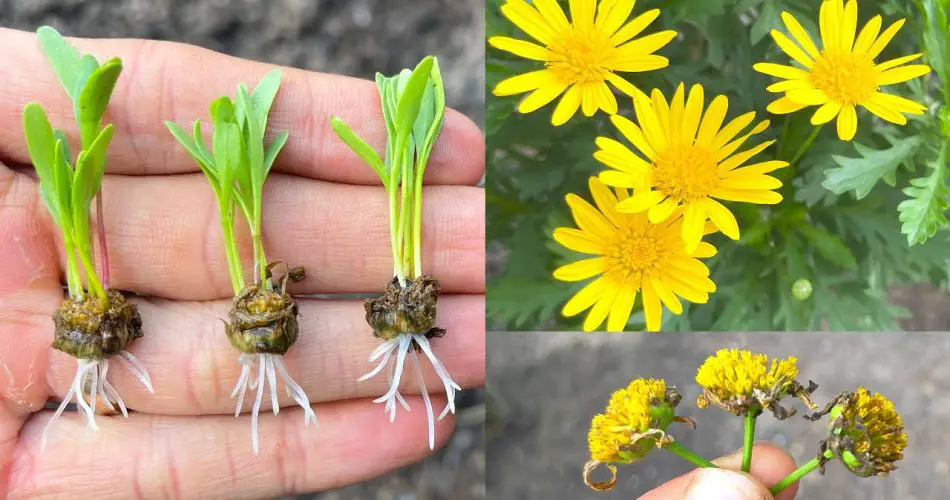
Chrysanthemums, also known as mums, are one of the most popular and beloved flowers worldwide. Known for their vibrant colors, beautiful petals, and long-lasting blooms, these flowers are perfect for brightening up your garden or home. Whether you’re a seasoned gardener or a beginner, learning how to grow chrysanthemums will lead to truly marvelous results.
In this article, we’ll walk you through the essential steps to successfully grow chrysanthemums and make them thrive, while highlighting the key techniques that will ensure a beautiful display of flowers.
Why Chrysanthemums Are Marvelous
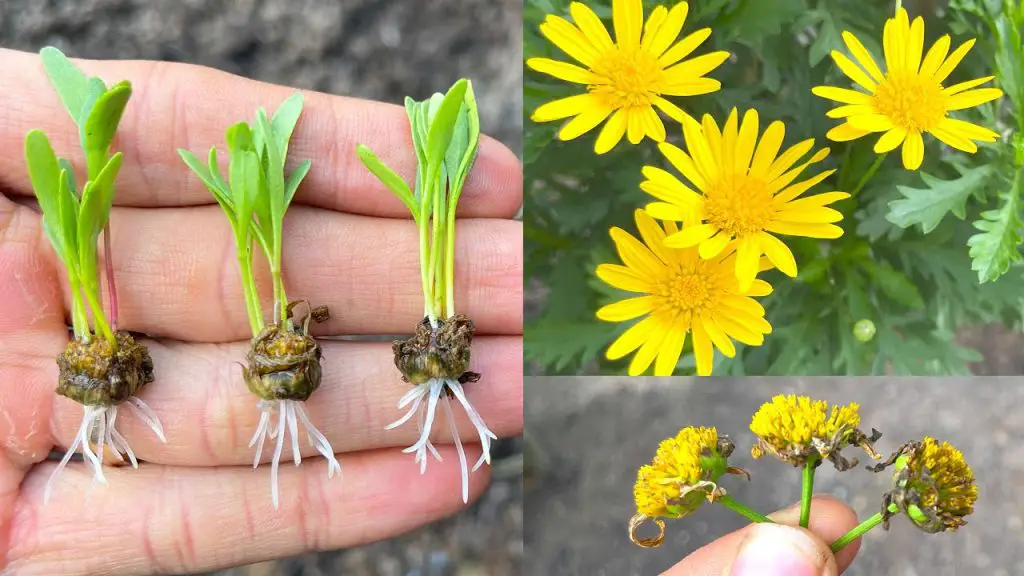
Chrysanthemums are not just stunning to look at; they are also highly versatile and can grow in a variety of conditions. From classic yellow to red, purple, and white, the wide range of colors makes them suitable for any garden or occasion. In addition to their beauty, chrysanthemums are also known for:
🌸 Long-lasting flowers – Once they bloom, chrysanthemums can last for several weeks, making them perfect for decorating your home or garden.
🌞 Low maintenance – These flowers are easy to care for, which makes them ideal for both beginner and experienced gardeners.
🌿 Beneficial plants – Chrysanthemums are also pest-repellent, helping keep other plants safe from insects.
How to Grow Chrysanthemums: Step-by-Step Guide
Step 1: Choose the Right Variety
Before planting chrysanthemums, decide which type you want to grow. There are different varieties, such as garden mums and florist mums. Each type has its own growing requirements, so it’s important to choose one that suits your climate and garden conditions.
- Garden mums are ideal for outdoor planting and come in a variety of shapes and colors.
- Florist mums are typically grown in pots and are often used for decorative arrangements indoors.
Step 2: Find the Perfect Location
Chrysanthemums thrive in full sunlight for at least 6 hours a day. Choose a location in your garden or near your home where they will receive ample light. The more sunlight they get, the better the blooms will be.
- Soil: Chrysanthemums prefer well-draining soil that is rich in organic matter. If your soil is heavy or clay-like, amend it with compost or other organic materials to improve drainage.
Step 3: Planting Chrysanthemums
- Prepare the soil: Loosen the soil and work in some compost or well-rotted manure to give your chrysanthemums the nutrients they need.
- Spacing: Plant chrysanthemums about 18-24 inches apart to allow for adequate airflow and prevent overcrowding. This will help reduce the risk of disease.
- Plant depth: Dig a hole large enough to accommodate the root ball of the plant, making sure the top of the root ball is level with the soil surface.
Step 4: Watering and Fertilizing
- Watering: Chrysanthemums need regular watering, especially during hot or dry periods. Ensure the soil stays moist but not waterlogged. Overwatering can lead to root rot, so be mindful of the water levels.
- Fertilizing: To encourage healthy growth, apply a balanced fertilizer when planting and then every few weeks during the growing season. Look for a fertilizer with equal amounts of nitrogen (N), phosphorus (P), and potassium (K) for optimal results.
Step 5: Pruning for Stronger Blooms
Pruning is essential for keeping chrysanthemums in shape and encouraging more blooms. Follow these steps:
- Pinch back the tips of the stems when the plant is young, around 6 inches tall. This will promote bushier growth and lead to more flowers.
- Deadhead spent flowers regularly to encourage continuous blooming throughout the season.
- Cut back the plants by about one-third after the growing season to keep them tidy and ready for the next bloom cycle.
Step 6: Protecting Chrysanthemums from Pests
Chrysanthemums are relatively resistant to pests, but they can occasionally face problems from aphids, mites, and other insects. To protect your plants, consider:
- Insecticidal soap or neem oil for treating pests organically.
- Keeping the plants well-spaced to ensure good air circulation, which will help prevent the growth of mildew and mold.
Caring for Chrysanthemums Throughout the Year
Once your chrysanthemums are established, they require minimal maintenance. However, there are a few things you can do to ensure they remain healthy and continue to bloom beautifully:
- Mulch around the base of the plant to retain moisture, especially during dry spells.
- Monitor the plants for any signs of pests or disease. Early intervention is key to preventing damage.
- Winter care: If you live in a colder climate, consider cutting back your chrysanthemums after the first frost and mulching heavily to protect the roots during winter. In spring, remove the mulch and allow the plant to start growing again.
Conclusion
Growing chrysanthemums is a rewarding and easy process that anyone can try. By following these steps and caring for your plants properly, you’ll be amazed at the vibrant blooms that will brighten your garden or home. With their beautiful colors, long-lasting flowers, and easy maintenance, chrysanthemums will surely leave you with marvelous results. 🌸🌞