Grafting is a fascinating horticultural technique that allows gardeners to combine different plant characteristics onto a single tree. Recently, I attempted a bold experiment: grafting my rose tree with 10 branches, each using a different material to see how the results would turn out. The outcome? A captivating mix of blooms that showcased the potential of creative grafting.
The Grafting Process
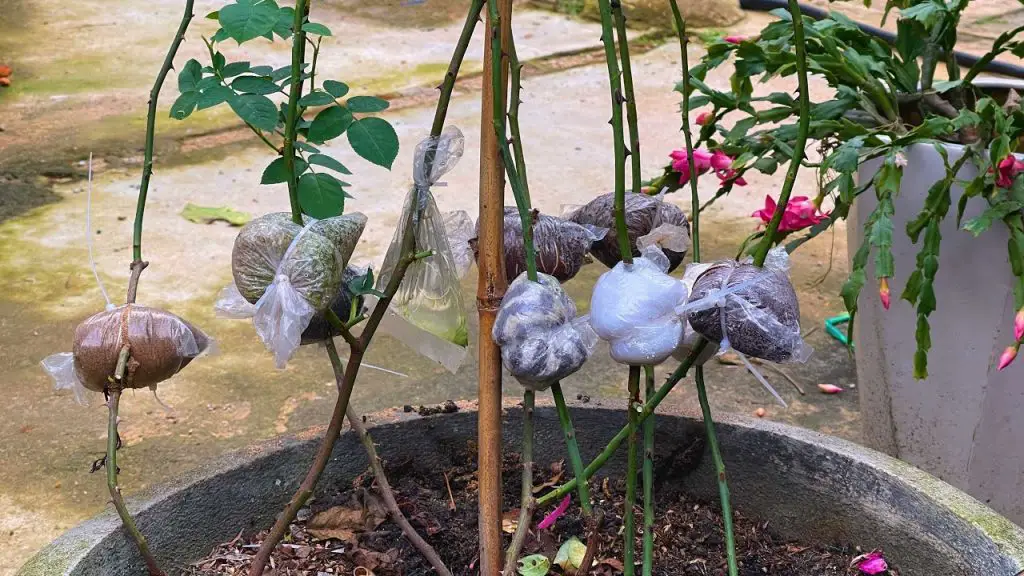
Grafting involves attaching a cutting (called a scion) from one plant to the rootstock of another. For this experiment, I used 10 scions, each sourced from different rose varieties. Here’s how I approached it:
- Selecting the Rootstock:
I chose a healthy and robust rose tree as the base for grafting. Its strong root system ensured it could support multiple branches. - Scion Selection:
I picked scions from 10 unique rose varieties, each with distinct colors, fragrance, and growth characteristics. - Materials for Grafting:
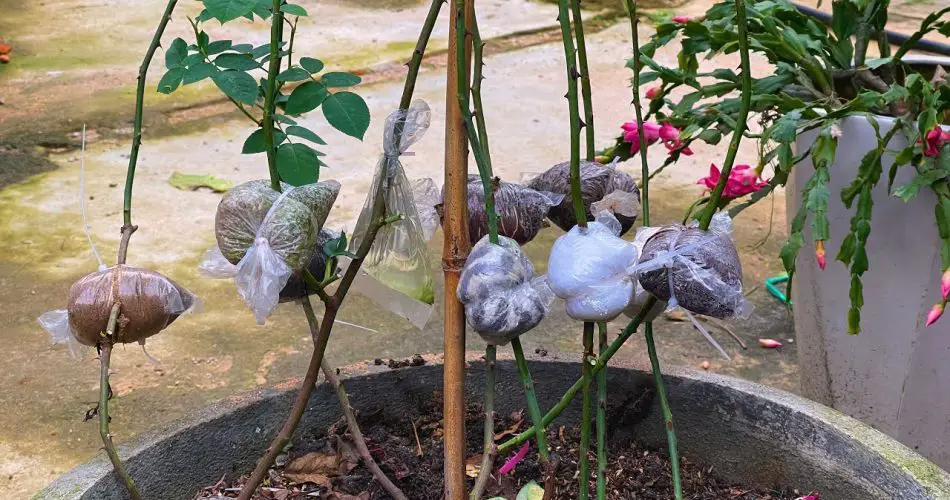
To secure the scions, I experimented with a variety of grafting techniques and materials, including:- Traditional grafting tape.
- Natural materials like banana peel and aloe vera gel for moisture retention.
- Plastic wrap and cloth strips for tighter seals.
- The Grafting Technique:
Each scion was carefully attached to the rootstock using a wedge grafting method. The grafts were secured, ensuring proper alignment for nutrient flow.
The Results of Grafting
After several weeks of care, the grafted branches began to show signs of growth. The final outcome was nothing short of spectacular:
- Varied Blooms: Each branch produced roses of different colors, including vibrant reds, soft pinks, sunny yellows, and pure whites. The tree looked like a bouquet of mixed roses growing naturally.
- Fragrance Diversity: The blended scents of different rose varieties created a mesmerizing aroma around the tree.
- Growth Rate: Some branches adapted more quickly than others, likely due to the compatibility of the scion with the rootstock.
Challenges Encountered
While the experiment was largely successful, there were some challenges:
- Compatibility Issues: Not all scions fused well with the rootstock. Two branches failed to establish and had to be removed.
- Moisture Retention: Branches grafted with unconventional materials like banana peel required extra care to prevent drying.
- Varying Growth Rates: Some branches grew faster, leading to an uneven appearance initially.
Care for a Grafted Rose Tree
To maintain the health and beauty of this unique rose tree, I followed these steps:
- Regular Pruning: Ensuring all branches received enough sunlight and airflow.
- Balanced Fertilization: Providing nutrients to support the growth of multiple rose varieties.
- Pest Management: Keeping a close eye on pests, as the tree’s mixed structure made it more vulnerable to infestations.
Conclusion
This experiment of grafting 10 branches with different materials on a single rose tree was a remarkable journey. The tree not only became a stunning centerpiece in my garden but also proved the versatility and creativity of grafting techniques.
For anyone interested in exploring grafting, this project is a testament to how experimentation can yield extraordinary results. With patience and care, you too can create a rose tree that’s as unique as your imagination! 🌹