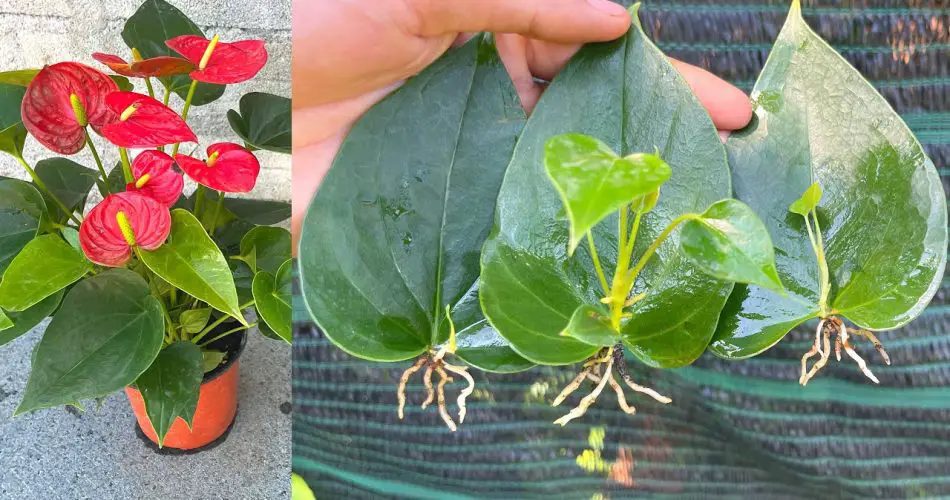
Anthuriums, known for their striking, glossy flowers and lush foliage, are a popular choice for indoor gardens. To ensure your anthurium plant remains healthy and vibrant, it’s important to understand its specific care needs. Here’s a comprehensive guide to anthurium plant care that will help you keep your plant in top condition.
Understanding Anthurium Plants
Anthuriums, also known as flamingo flowers or laceleaf, are tropical plants native to Central and South America. They are renowned for their long-lasting flowers and attractive foliage, making them a favorite among plant enthusiasts. Proper care is crucial to maintain their beauty and vitality.
Light Requirements
- Bright, Indirect Light: Anthuriums thrive in bright, indirect light. Direct sunlight can scorch their leaves, so place them in a location where they receive filtered light or partial shade.
- Avoid Low Light: While they can tolerate lower light conditions, insufficient light may reduce flowering and lead to leggy growth.
Watering
- Consistent Moisture: Keep the soil consistently moist but not waterlogged. Water the plant when the top inch of soil feels dry. Overwatering can lead to root rot, so ensure proper drainage.
- Water Quality: Use room-temperature water and avoid using softened or chlorinated water, which can harm the plant.
Humidity and Temperature
- High Humidity: Anthuriums prefer high humidity levels. Aim for at least 60% humidity to keep the plant healthy. You can increase humidity by using a humidifier or placing the pot on a tray of water with pebbles.
- Temperature Range: Maintain a temperature range between 65-80°F (18-27°C). Avoid exposing the plant to temperatures below 50°F (10°C) or sudden temperature fluctuations.
Soil and Potting
- Well-Draining Soil: Use a well-draining potting mix designed for orchids or a mix of peat, pine bark, and perlite. Good drainage is essential to prevent root rot.
- Pot Size: Choose a pot that is slightly larger than the root ball to allow for growth, but avoid using a pot that is too large, as it can lead to overwatering.
Fertilizing
- Balanced Fertilizer: Feed your anthurium with a balanced, water-soluble fertilizer every 6-8 weeks during the growing season (spring and summer). Reduce feeding in the fall and winter when the plant’s growth slows.
- Follow Instructions: Always follow the manufacturer’s instructions to avoid over-fertilizing, which can harm the plant.
Pruning and Cleaning
- Pruning: Remove dead or yellowing leaves and spent flowers to encourage new growth and maintain the plant’s appearance. Use clean, sharp scissors or pruners.
- Cleaning: Wipe the leaves with a damp cloth to remove dust and keep them looking shiny. This also helps prevent pests and diseases.
Pest and Disease Management
- Common Pests: Watch for common pests such as aphids, mealybugs, and spider mites. Treat infestations with insecticidal soap or neem oil.
- Diseases: Avoid fungal diseases by ensuring proper airflow around the plant and avoiding overhead watering. If you notice signs of disease, such as leaf spots or mold, remove affected areas and adjust care practices as needed.
Repotting
- When to Repot: Repot your anthurium every 1-2 years or when it outgrows its pot. Spring is the ideal time for repotting, as the plant is entering its active growing season.
- Repotting Process: Choose a slightly larger pot and fresh potting mix. Gently remove the plant from its old pot, loosen any bound roots, and place it in the new pot. Water thoroughly after repotting.

By following these anthurium plant care tips, you can enjoy a lush, vibrant plant that adds a touch of elegance to your indoor space. With the right conditions and regular maintenance, your anthurium will thrive and continue to produce its stunning, long-lasting flowers.