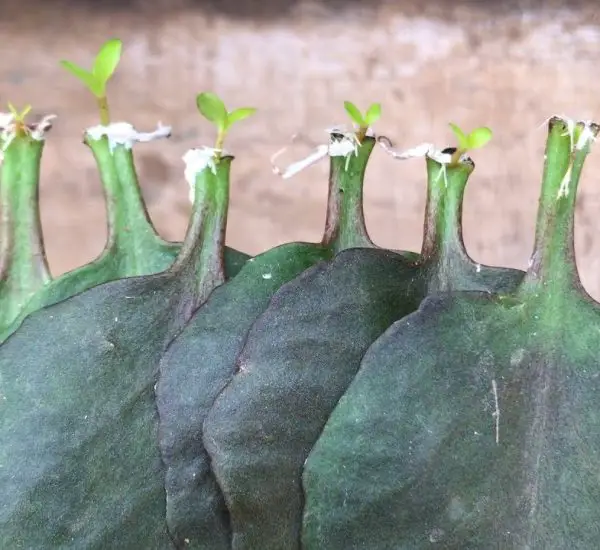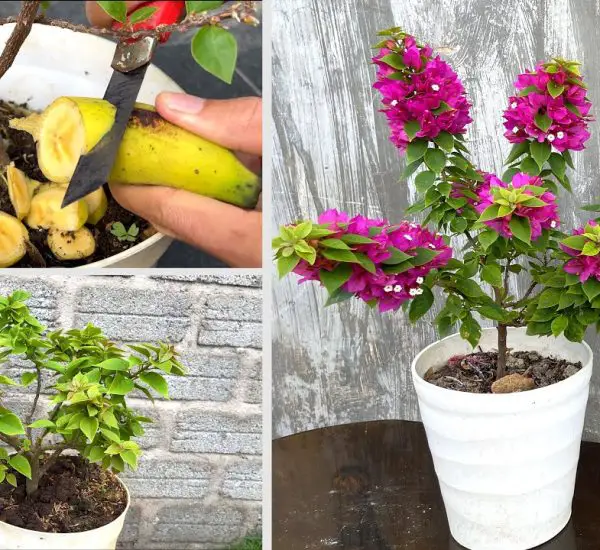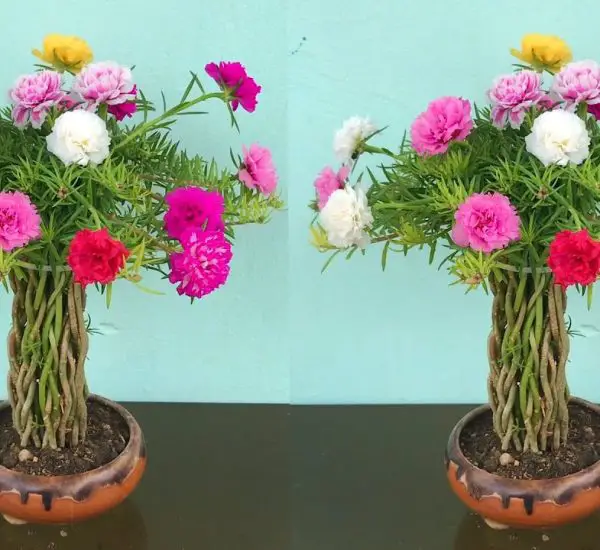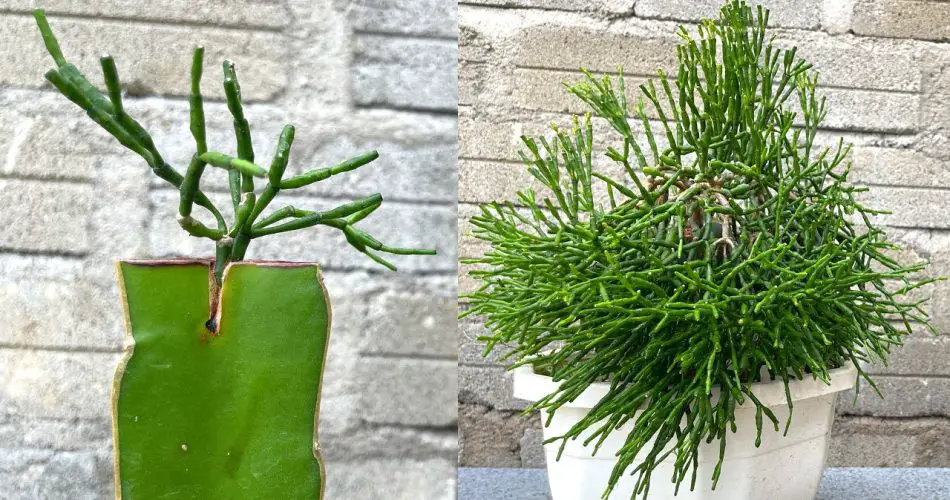
If you’re looking to add a unique touch to your garden or home decor, consider grafting a succulent plant to create a stunning bonsai shape. This technique combines the beauty of succulent plants with the elegance and artistry of bonsai. Grafting allows you to shape your plant in different forms while keeping it healthy and vibrant.
In this article, we’ll explore how to use succulent grafting to create your own bonsai-inspired succulent masterpiece.
Why Choose Succulents for Bonsai Grafting?
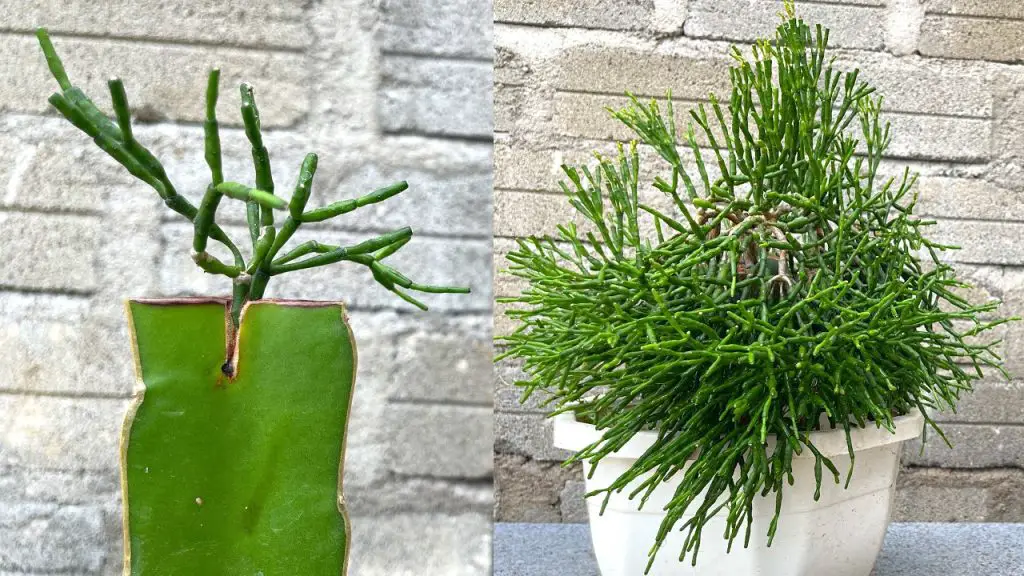
Succulent plants are a great choice for bonsai grafting due to their hardy nature, slow growth, and low maintenance. Their ability to thrive in various conditions makes them ideal candidates for grafting, allowing you to create a bonsai that’s both beautiful and easy to care for.
Additionally, succulent plants come in a variety of shapes, sizes, and colors, offering endless possibilities when it comes to creating a unique bonsai look. Whether you’re working with a crassula, echeveria, sedum, or jade plant, succulents offer many options for crafting your own perfect bonsai plant.
How to Graft a Succulent Plant to Create a Bonsai Shape
Here’s a step-by-step guide to help you graft a succulent and shape it into a beautiful bonsai:
Step 1: Select Your Succulent Plants
Choose a healthy succulent that will serve as the base or rootstock of your bonsai. Common choices include jade plants, sedums, or crassulas. These succulents are ideal because they have thick, sturdy stems that can support the weight and shape of the plant.
Next, choose a scion plant (the plant that you will graft onto the rootstock). The scion should have a thicker stem and branching structure, as it will eventually form the bonsai shape you desire.
Step 2: Prepare Your Tools
Before you begin grafting, make sure you have the following tools:
- Sharp, sterilized scissors or pruning shears
- Rootstock succulent (base plant)
- Scion succulent (top part)
- Grafting tape or clips
- Rooting hormone (optional, to encourage quicker grafting)
- Sterilized knife (for making clean cuts)
Ensure that all your tools are sanitized to avoid the spread of bacteria or disease between the plants.
Step 3: Make the Grafting Cuts
Carefully cut the top portion of the rootstock plant, leaving just a small stump. The cutting should be clean and straight, as this will provide the best surface for grafting.
Next, cut the scion plant, making a similar clean cut at the base. The cut surfaces of both plants should match as closely as possible, so they can fuse together more easily.
Step 4: Graft the Scion onto the Rootstock
Place the scion onto the rootstock, ensuring that the two cut surfaces are aligned and pressed together. You can use grafting tape or clips to hold the scion in place while the graft heals.
If you wish, you can apply rooting hormone to the cut areas to help the graft heal faster and encourage the scion to take root on the rootstock.
Step 5: Care for the Grafted Plant
Once the grafting is complete, place the plant in a bright, indirect light location to allow it to heal. Make sure to keep the grafted area moist, but not too wet. Succulent plants do not like to sit in water, so it’s important to avoid overwatering.
Monitor the grafting site for any signs of infection or rot. If the graft is successful, the scion will begin to grow and develop in its new shape.
Step 6: Prune and Shape the Bonsai
After the graft is established, you can begin shaping your succulent into the bonsai form of your choice. Regular pruning is essential for creating the desired bonsai look. Use sharp scissors to trim back any unwanted growth and encourage branching. You can also wire the plant gently to help it grow in the direction you want.
Tips for Successful Succulent Grafting
- Be patient! Grafting takes time, and the process of healing can take several weeks to months.
- Use plants that are compatible in terms of growth habits. Succulents with similar growth patterns will graft more easily.
- Keep the plant in a humid environment for a few weeks after grafting to encourage the scion to establish roots.
- Avoid direct sunlight until the graft is secure, as it can stress the plant.
Conclusion
Succulent grafting is a creative and rewarding way to make a beautiful bonsai-style plant. By selecting the right plants, making clean cuts, and following proper care techniques, you can create a stunning bonsai succulent that adds charm and elegance to your home or garden. Whether you’re a seasoned gardener or a beginner, grafting succulents is a fun way to experiment with different shapes and create a truly unique, living work of art.