Hibiscus plants are celebrated for their vibrant and tropical flowers, adding a splash of color to any garden. While traditionally grown in soil, Hibiscus rosa can also thrive in a water environment, offering a unique and attractive option for gardeners looking to experiment with different cultivation methods.
The Appeal of Growing Hibiscus in Water
Growing Hibiscus rosa in a water environment can be particularly appealing for several reasons:
- Visual Appeal: Water-grown hibiscus can create stunning aquatic displays, perfect for ponds or indoor water features.
- Unique Growth: Observing the root development and growth habits of hibiscus in water can be an intriguing and educational experience.
- Ease of Maintenance: Water environments can sometimes reduce the need for traditional soil care and offer a cleaner alternative.
How to Grow Hibiscus Roots in a Water Environment
Growing hibiscus roots in a water environment requires a few specific steps:
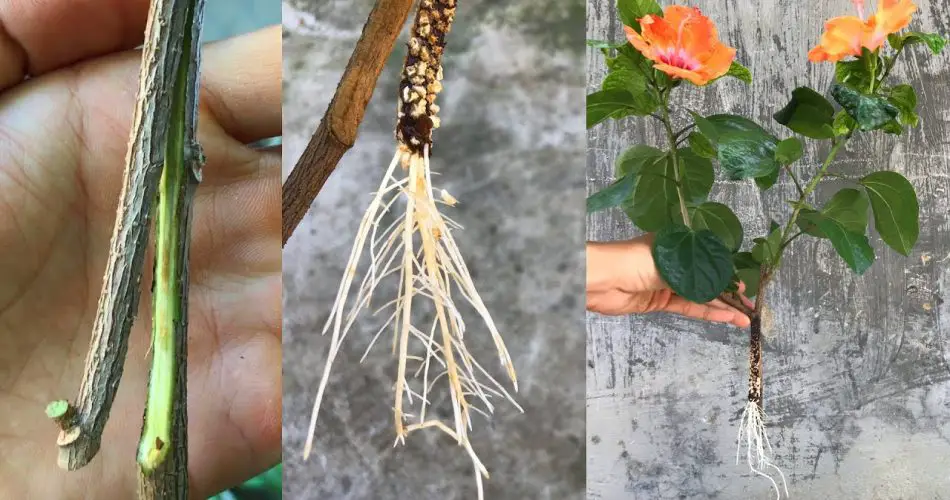
- Select Healthy Cuttings: Choose a healthy Hibiscus rosa plant and take a cutting from a mature stem. Ensure the cutting has at least a few leaves and nodes.
- Prepare the Cutting: Trim the cutting to about 4-6 inches in length. Remove any leaves that will be submerged in water to prevent rot.
- Place in Water: Submerge the cutting in a container of clean, room-temperature water. Use a transparent container to easily monitor root development.
- Provide Light: Place the container in a location with bright, indirect light. Hibiscus rosa thrives in bright conditions but should avoid direct, intense sunlight that could overheat the water.
- Change Water Regularly: Refresh the water every few days to keep it clean and prevent the growth of algae or bacteria.
- Monitor Growth: Over time, you will notice roots starting to develop from the nodes. Once the roots are well-established (usually a few inches long), you can transfer the cutting to a larger water container or a hydroponic system if desired.
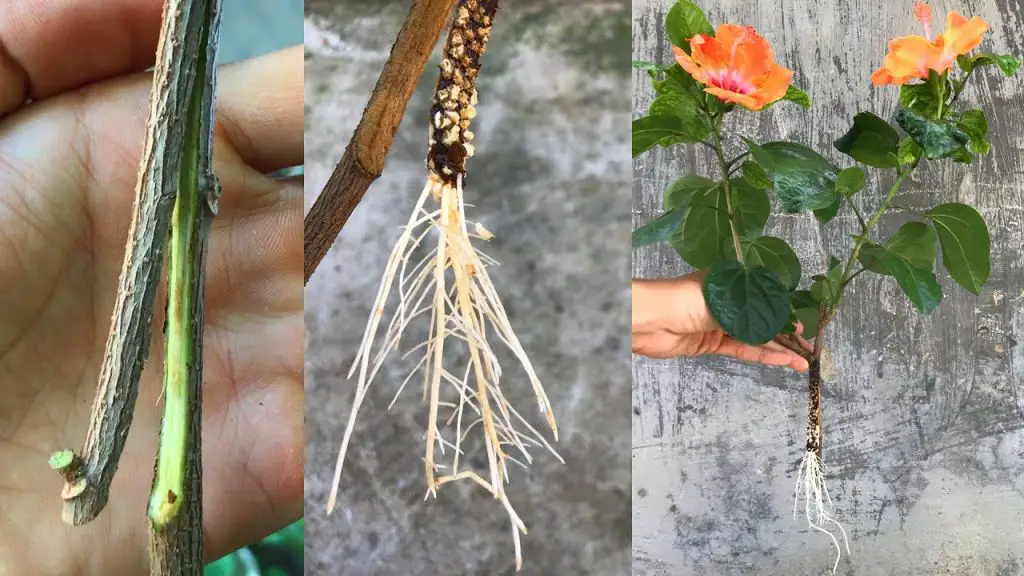
Benefits of Water Cultivation for Hibiscus
Growing hibiscus in a water environment offers several benefits:
- Enhanced Root Health: Water provides consistent moisture, which can help in the development of strong and healthy roots.
- Reduced Soil-Borne Pests: Growing in water can reduce the risk of soil-borne diseases and pests.
- Controlled Environment: The water environment allows for easy control of nutrient levels and pH, potentially leading to more vigorous growth.
Challenges and Considerations
While growing hibiscus in water has its benefits, there are also some challenges to be aware of:
- Nutrient Needs: Hibiscus will require a source of nutrients, as water alone does not provide all the essential elements. Consider using a hydroponic nutrient solution.
- Algae Growth: Stagnant water can lead to algae growth, which may need to be managed to prevent negative effects on the plant.
- Temperature Fluctuations: Water temperatures should be kept stable, as extreme fluctuations can stress the plant.
Conclusion
Cultivating Hibiscus rosa in a water environment is a fascinating and rewarding method that can enhance the beauty of your garden or indoor space. By following the steps outlined and addressing potential challenges, you can successfully grow hibiscus roots in water and enjoy the striking flowers of this tropical plant in a unique setting. Embrace this innovative approach and watch your hibiscus thrive in its aquatic habitat!