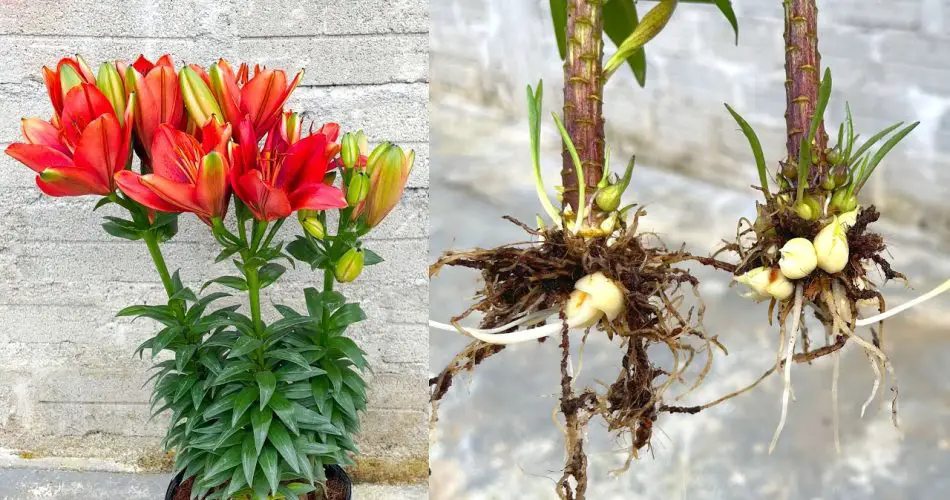
Lilies are one of the most beautiful and elegant flowers you can grow, with their stunning blooms and sweet fragrance. While most people know that lilies are typically propagated from bulbs, many don’t realize that they can also be grown from branches or stems. Yes, you can grow a lily from a piece of the plant itself! Let’s explore how you can propagate lilies both from bulbs and branches, giving you two ways to grow these gorgeous flowers in your garden or home.
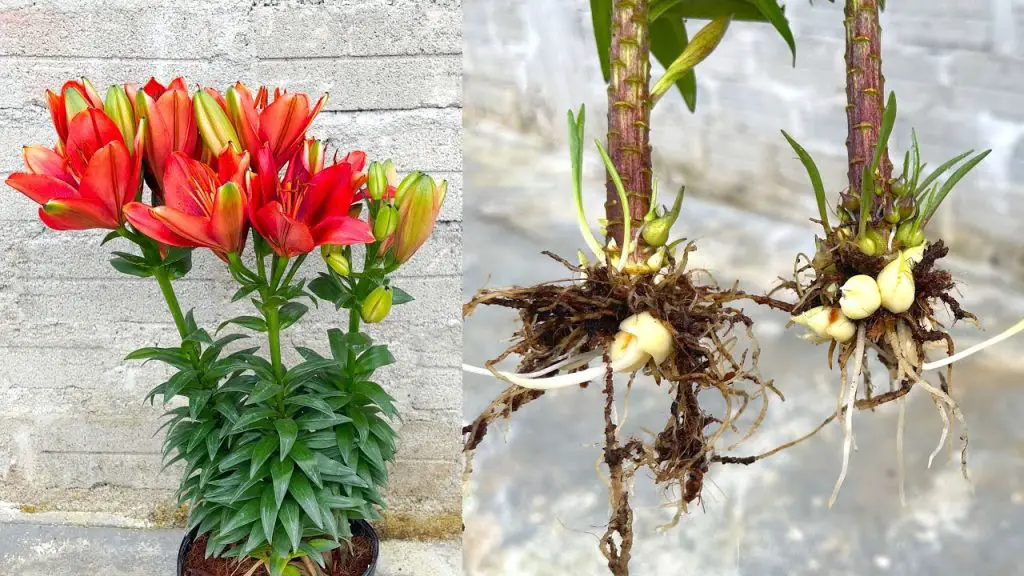
Growing Lilies from Bulbs
The most traditional and popular way to grow lilies is from bulbs. Bulbs are nutrient-packed storage organs that allow the plant to survive during periods of dormancy and grow strong when conditions are right. Here’s how you can plant and grow lilies from bulbs:
Step 1: Choose the Right Bulbs
- Look for healthy bulbs that are firm and free of rot or damage. The bulb should be plump and strong, without any soft spots or signs of mold.
- Ensure that you select the correct type of lily for your growing conditions, whether it’s Asiatic lilies, Oriental lilies, or Trumpet lilies.
Step 2: Prepare the Soil
- Lilies thrive in well-drained soil that’s rich in organic matter. Add some compost or peat moss to improve soil texture and drainage.
- Plant the bulbs about 6 to 8 inches deep, with the pointed end facing upward.
Step 3: Planting and Watering
- Space the bulbs 6 to 12 inches apart, depending on the variety.
- Water the bulbs well after planting, but make sure the soil isn’t too wet, as lilies don’t like soggy roots.
- Mulch the area to retain moisture and protect the bulbs during the winter months.
Step 4: Care and Maintenance
- Lilies need full sun to grow and bloom. Ensure they get at least 6 hours of direct sunlight a day.
- Water regularly, especially during dry spells, but allow the soil to dry out between waterings.
- Once the plants bloom, deadhead the flowers to encourage the plant to focus its energy on bulb development rather than seed production.
Growing Lilies from Branches (Stem Cuttings)
While growing lilies from bulbs is the most common method, lilies can also be propagated from stem cuttings, or branches, which is less well-known but equally effective. This is a great way to grow new lilies if you already have an established plant and want to clone it.
Step 1: Choose a Healthy Stem
- Select a healthy, non-flowering stem from a mature lily plant. The stem should be firm and have at least 2 to 3 nodes (the small bumps along the stem where roots will eventually grow).
- Cut the stem just below a node, using sharp, sterilized scissors to avoid infection.
Step 2: Prepare the Cutting
- Remove the lower leaves from the cutting, leaving just the top 1 to 2 inches of leaves at the top. This will encourage the cutting to focus on root growth instead of leaf development.
- Dip the cut end of the stem in rooting hormone (optional), which can help stimulate the formation of roots.
Step 3: Plant the Cutting
- Fill a small pot with well-drained, moist potting mix (a mix of sand and peat or perlite works well).
- Insert the cutting into the soil, ensuring that the node is buried at least 1 inch deep. Make sure to firm the soil around the cutting to eliminate air pockets.
Step 4: Provide the Right Environment
- Place the pot in a warm, bright location but avoid direct sunlight, as this can cause the cutting to dry out.
- Keep the soil moist (but not soggy), and cover the pot with a plastic bag or a plastic dome to maintain humidity and promote root growth.
- After about 3-4 weeks, the cutting should begin to root. You can gently tug on the stem to check if roots have developed.
Step 5: Transplanting the New Plant
- Once the cutting has developed a strong root system, you can transplant it into a larger pot or directly into the garden.
- Keep the newly rooted lily in a location with partial sun for a while before moving it to a spot with full sun to encourage optimal growth.
Benefits of Growing Lilies from Bulbs and Branches
- Bulbs: Planting from bulbs ensures a strong root system from the start and faster blooming. The flowers tend to be more vibrant and long-lasting when grown from healthy bulbs.
- Branches (Stem Cuttings): Growing lilies from branches is a cost-effective way to propagate plants you already own. It also allows you to clone your favorite lilies and ensure uniformity in the flowers, size, and color.
Tips for Successful Lily Growth
- Fertilize Regularly: Lilies benefit from a balanced, slow-release fertilizer. Fertilize in the early spring as the plants start to grow, and again after blooming to encourage bulb development.
- Avoid Overcrowding: If planting several lilies together, give them enough space to allow air circulation and reduce the risk of disease. Proper spacing also ensures that each plant receives enough nutrients and sunlight.
- Prune and Deadhead: Removing spent blooms helps the plant focus its energy on growing new flowers and building strong bulbs. Pruning also improves air circulation around the plant, preventing mold and mildew growth.
- Support Tall Stems: Some lily varieties, especially taller species, may need staking or other support to keep the stems from flopping over during the growing season.
Conclusion: A Dual Method for Growing Lilies
Whether you choose to propagate lilies from bulbs or branches, both methods offer a reliable way to enjoy these stunning plants in your garden or on your balcony. Growing lilies from bulbs is the more traditional route, providing a strong foundation for the plant to thrive and bloom. On the other hand, using branches or stem cuttings is a creative way to clone your favorite lilies and expand your collection.
By understanding the different ways to propagate and care for lilies, you can enjoy these breathtaking flowers year after year, filling your garden or home with vibrant colors and unforgettable beauty.