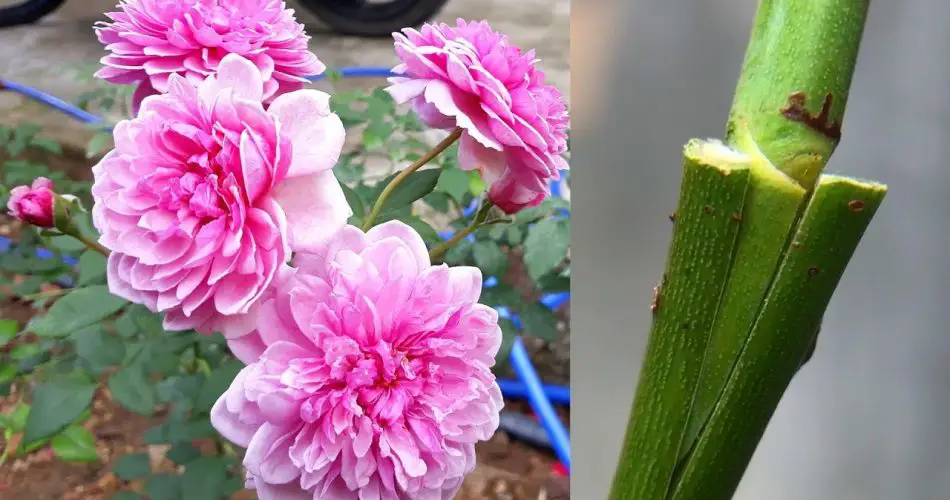
If you want to enhance the beauty of your rose garden and enjoy a variety of vibrant rose blooms, grafting is the perfect technique to achieve your desired results. Grafting roses allows you to combine the best qualities of two different rose plants—rootstock and scion—to produce a plant with both strong roots and stunning, sparkling flowers. In this article, we will walk you through the process of grafting roses, so you can grow your own beautiful roses that are unique and resilient.
Why Graft Roses?
Grafting is a technique used to combine the rootstock of one rose with the scion (the top portion) of another rose. This process has several benefits:
- Stronger Roots: The rootstock provides the rose with a strong, disease-resistant root system, improving the overall health and longevity of the plant.
- Better Flower Quality: The scion (the part of the rose plant that produces the flowers) will determine the flower color, shape, and fragrance. By choosing a high-quality scion, you can enjoy sparkling, beautiful roses with your preferred traits.
- Increased Flowering: Grafted roses often produce more blooms than ungrafted varieties, giving you a vibrant display in your garden.
- Faster Growth: Grafting accelerates the growth process, allowing your roses to mature more quickly.
Materials Needed for Grafting Roses
Before you begin the grafting process, make sure you have all the necessary materials:
- Healthy rose plants: Choose a strong rootstock rose (such as Rosa multiflora or Rosa indica) and a scion rose that has the desired flower characteristics (such as hybrid tea roses, floribunda, or climbing roses).
- Sharp pruning shears: For cutting both the rootstock and the scion.
- Grafting knife or grafting tool: A special tool designed for making precise cuts during grafting.
- Grafting tape or grafting wax: To secure the scion onto the rootstock.
- Sealant (optional): To prevent infection and help the graft heal.
- Sterilizing solution: To disinfect your tools before use.
- Rubber bands or plastic wrap: To hold the scion and rootstock together during the grafting process.
Step-by-Step Guide to Grafting Roses
Now that you have everything you need, follow these steps to graft your roses and create stunning, sparkling blooms.
1. Select the Right Time for Grafting
The best time to graft roses is typically during the dormant season—late winter to early spring—before new growth begins. This gives the graft time to heal and establish roots before the plant starts actively growing in the spring.
2. Prepare the Rootstock
Choose a healthy, vigorous rootstock that is compatible with your scion variety. Using sharp pruning shears, cut the rootstock to about 6-8 inches tall. Make sure the cut is clean and smooth.
- Tip: The rootstock should be a strong, disease-resistant variety, as this will determine the overall strength and resilience of the grafted rose.
3. Prepare the Scion
Next, select a healthy scion from a rose bush that has the flower qualities you desire, such as color and fragrance. The scion should be about 4-6 inches long, with at least 2-3 healthy buds.
Using your sharp pruning shears, make a clean cut on the scion, leaving about 4 inches of stem with at least one dormant bud. The cut should be made at a slight angle, just below a node.
4. Make the Graft Cut
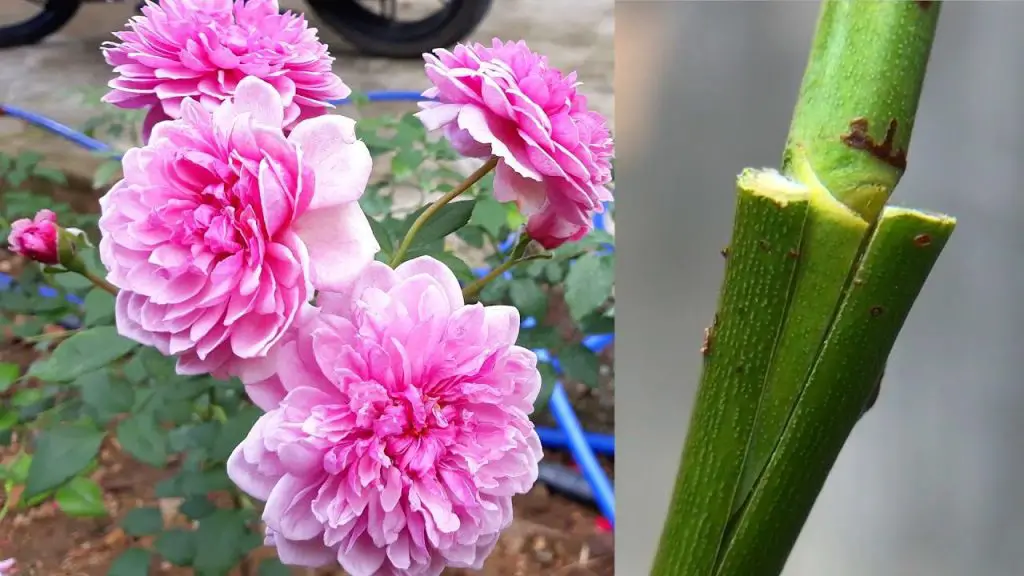
Using a grafting knife or a specialized grafting tool, carefully make a vertical split in the top of the rootstock (about 1-2 inches deep). This is where you will insert the scion.
For the scion, make a matching wedge cut on the bottom of the stem. The two cuts—on the rootstock and the scion—must fit together perfectly, ensuring that the cambium layers (the thin green layer just beneath the bark) of both parts are in contact.
- Tip: The cambium layer is critical for the success of the graft. If the cambium layers don’t align properly, the graft may not take.
5. Insert the Scion into the Rootstock
Carefully place the wedge-shaped end of the scion into the slit of the rootstock. The cambium layers of both the rootstock and scion should be aligned as precisely as possible. Once the scion is in place, make sure it is secure and stable.
6. Secure the Graft
Use grafting tape or grafting wax to bind the scion to the rootstock, making sure it stays in place while the two parts grow together. Wrap the grafting tape tightly around the graft site, being careful not to damage the stem. This helps keep the graft area protected from moisture and infections.
- Tip: If you’re using plastic wrap or rubber bands, ensure that they are tight enough to hold the scion in place, but not so tight that they cut into the plant tissue.
7. Seal the Graft
To prevent infection and ensure the graft heals properly, apply grafting sealant to the graft site. This helps protect the wound from bacteria and pests while the graft takes.
8. Care for the Grafted Rose
After grafting, place the rose in a warm, shaded area to allow the graft to heal. It’s important to keep the graft site moist but not soaked, and to protect the plant from strong winds or direct sunlight, which can stress the newly grafted plant.
- Tip: You can place the grafted rose in a humidity dome or plastic bag to maintain moisture levels, but be sure to remove it once new growth begins to appear.
9. Check for Rooting and New Growth
In about 2-3 weeks, check for signs of successful grafting. The scion should begin to show signs of new growth, including buds or even small leaves. You should also start to see roots developing from the rootstock.
10. Transplanting and Continued Care
Once the graft has fully taken and you see new growth, you can transplant the grafted rose into a larger container or your garden. Continue to care for your rose with regular watering, fertilizing, and pruning as needed. Your grafted rose will now begin to produce beautiful flowers that reflect the qualities of the scion and the health of the rootstock.
Benefits of Grafting Roses
- Healthier Plants: Grafting helps create a more resilient rose plant by using disease-resistant rootstock.
- More Blooms: Grafted roses often produce more flowers than ungrafted varieties.
- Unique Varieties: Grafting allows you to combine different rose varieties, giving you sparkling roses in colors and shapes that you might not otherwise have.
Conclusion
By grafting roses, you can transform your garden into a stunning display of sparkling blooms with a variety of colors and forms. Whether you’re looking to enhance the beauty of your garden or grow stronger, healthier roses, grafting is a rewarding and relatively simple technique. With the right care and attention, you’ll soon be able to enjoy a collection of beautiful roses that will bloom year after year. 🌹