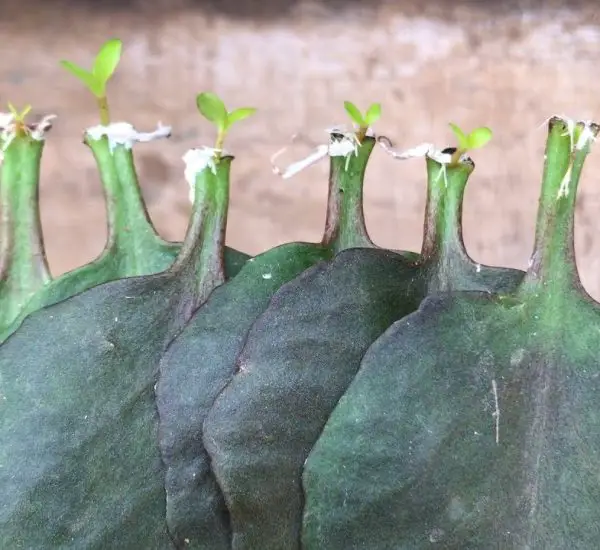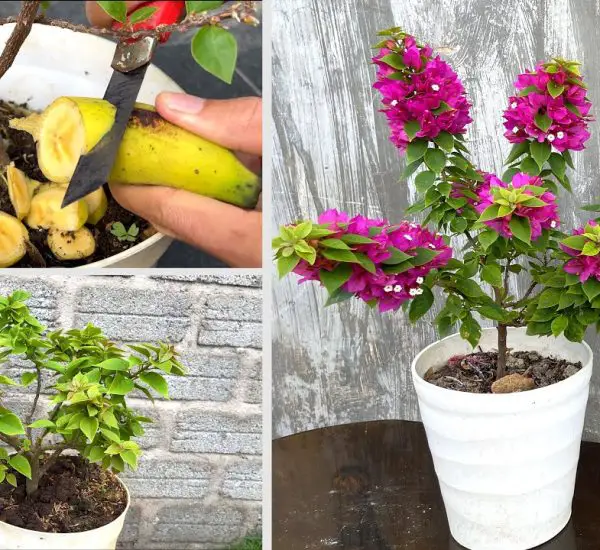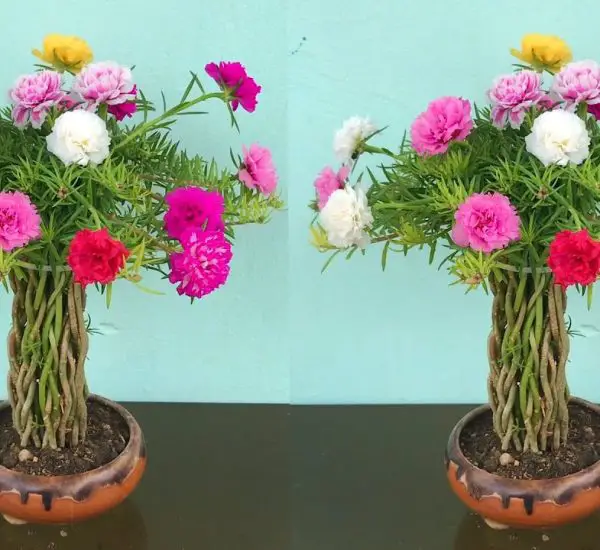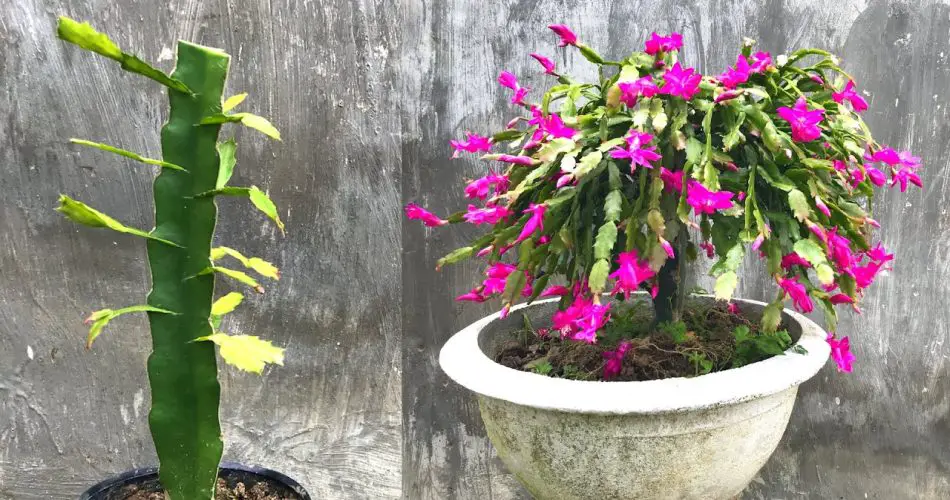
Grafting is a fascinating gardening technique that allows you to combine the best qualities of two plants into one. Cottage Quynh, also known as Epiphyllum oxypetalum (or Night-blooming Cereus), and Dragon Fruit (Hylocereus spp.) are both part of the cactus family, which makes them compatible for grafting. This technique can result in unique plants that offer the beauty of both species, often producing showy flowers and delicious fruit. In this guide, we’ll walk you through the process of grafting Cottage Quynh with Dragon Fruit and share tips to ensure success.
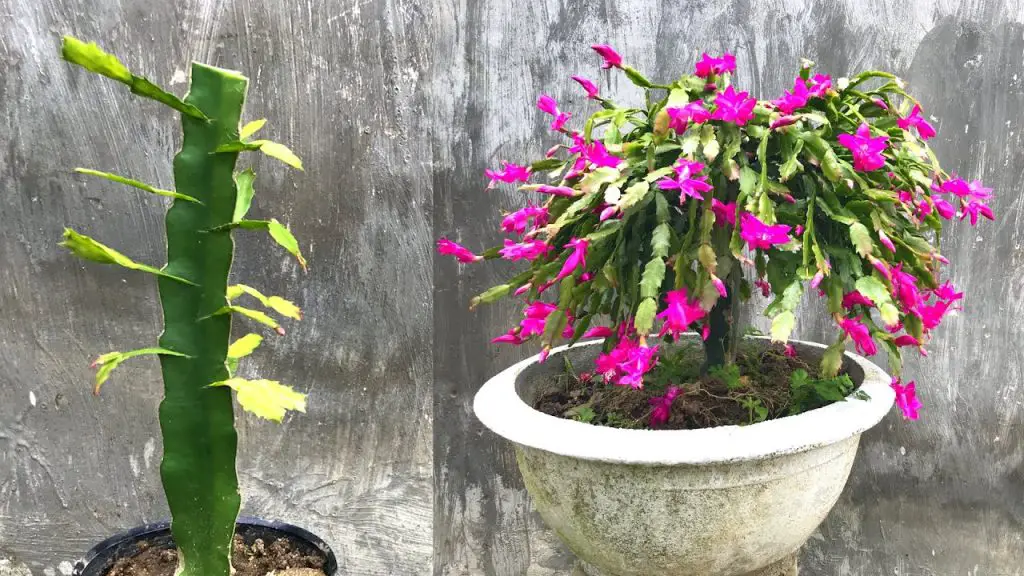
What You Need for Grafting Cottage Quynh with Dragon Fruit
Before you begin grafting, ensure you have the following tools and materials:
- Cottage Quynh (Epiphyllum oxypetalum) – The scion (top part of the graft).
- Dragon Fruit (Hylocereus spp.) – The rootstock (bottom part of the graft).
- Sharp knife or grafting scissors – For clean cuts.
- Grafting tape or rubber bands – To secure the graft.
- Sterilizing alcohol – To clean your tools.
- Parafilm or grafting wax – For sealing the graft.
- Clean, sharp pruning shears – For trimming unwanted growth.
- Rooting hormone (optional) – To stimulate faster grafting.
Step-by-Step Guide to Grafting Cottage Quynh with Dragon Fruit
1. Choose the Right Plants for Grafting
Both Cottage Quynh (Night-blooming Cereus) and Dragon Fruit are types of cacti, and their compatibility makes them excellent candidates for grafting. The Dragon Fruit plant will serve as the rootstock, providing a strong root system, while the Cottage Quynh will be the scion, offering beautiful flowers.
- Select Healthy Plants: Ensure both plants are healthy and free from pests or diseases. The rootstock should be mature and have established roots, while the scion should have a healthy stem or pad to graft onto.
2. Prepare the Rootstock (Dragon Fruit)
- Cut the Rootstock: Use your sharp knife or grafting scissors to cut a clean, horizontal slice from the top of your Dragon Fruit plant. The cut should be about 2-4 inches long, depending on the size of the scion you plan to graft.
- Sterilize Tools: Before proceeding, clean your tools with alcohol to prevent the spread of diseases or pathogens.
3. Prepare the Scion (Cottage Quynh)
- Select the Scion: Choose a healthy stem or pad from the Cottage Quynh plant. The scion should be a mature segment with no signs of damage or disease.
- Make a Clean Cut: Using the sharp knife or scissors, cut a small segment of the Cottage Quynh stem or pad, about 2-4 inches long, making sure to remove any damaged or unhealthy sections.
4. Graft the Scion onto the Rootstock
- Align the Cuts: Gently place the scion (Cottage Quynh) on the top of the rootstock (Dragon Fruit), making sure the cuts of both plants align. You want the cambium layers (the thin green layer just beneath the bark) of both the scion and rootstock to touch as closely as possible. This is crucial for a successful graft.
- Secure the Graft: Once the scion is aligned with the rootstock, wrap the grafted area with grafting tape, rubber bands, or another form of secure binding. This will hold the graft in place while it heals.
- Seal the Graft: To prevent the graft from drying out, you can apply Parafilm or grafting wax around the graft area, sealing it to retain moisture.
5. Care for the Graft
- Place in a Shaded Area: After the graft, place the plant in a cool, shaded area where it won’t be exposed to direct sunlight or strong wind. High humidity is beneficial, so you might want to cover the grafted plant with a plastic bag or place it in a humid environment.
- Monitor for Healing: The grafting process will take several weeks to a few months, depending on environmental conditions. During this time, keep an eye out for signs of successful grafting, such as new growth or the scion starting to grow.
- Watering: Lightly water the rootstock to keep it hydrated, but avoid over-watering the grafted area, as this could lead to rot.
6. Unwrap and Transplant
- Check for Rooting: After about 4-6 weeks, check to see if the scion has successfully started to grow. If it has, you can carefully remove the grafting tape and rubber bands.
- Transplanting: Once the graft is secure and the new plant begins to show growth, you can transplant it into a larger pot or into your garden. Continue to provide the plant with the care it needs, including well-draining soil and appropriate sunlight.
Advantages of Grafting Cottage Quynh with Dragon Fruit
- Unique Aesthetic: The combination of the beautiful flowers of Cottage Quynh and the fruit-bearing capabilities of the Dragon Fruit creates an intriguing plant that will be a conversation starter in your garden.
- Enhanced Growth: Grafting onto Dragon Fruit rootstock, which is robust and adaptable, can help the Cottage Quynh grow more vigorously and may even produce more flowers.
- Fruit and Flowers: With this grafting technique, you could enjoy both delicious dragon fruit and night-blooming cereus flowers on the same plant, providing an exotic and rewarding addition to your garden.
Troubleshooting Tips
- Failed Graft: If the graft doesn’t take, it could be due to improper alignment of the cambium layers, poor environmental conditions, or using damaged plant material. Be patient and try again with fresh cuts.
- Pests and Diseases: Keep an eye out for any fungal infections or pests around the graft area. Use an appropriate organic treatment if necessary to protect your plants.
- Overwatering: Both Cottage Quynh and Dragon Fruit are cacti and prefer to be on the drier side. Avoid overwatering, especially during the grafting process, as it can cause the scion to rot.
Conclusion
Grafting Cottage Quynh with Dragon Fruit is a creative and exciting way to combine two remarkable plants into one unique specimen. Not only will you enjoy the beauty of the Cottage Quynh’s flowers, but you’ll also benefit from the delicious fruit produced by the Dragon Fruit rootstock. By following these steps and being patient, you’ll be able to create a thriving, grafted plant that’s sure to impress. Happy grafting!