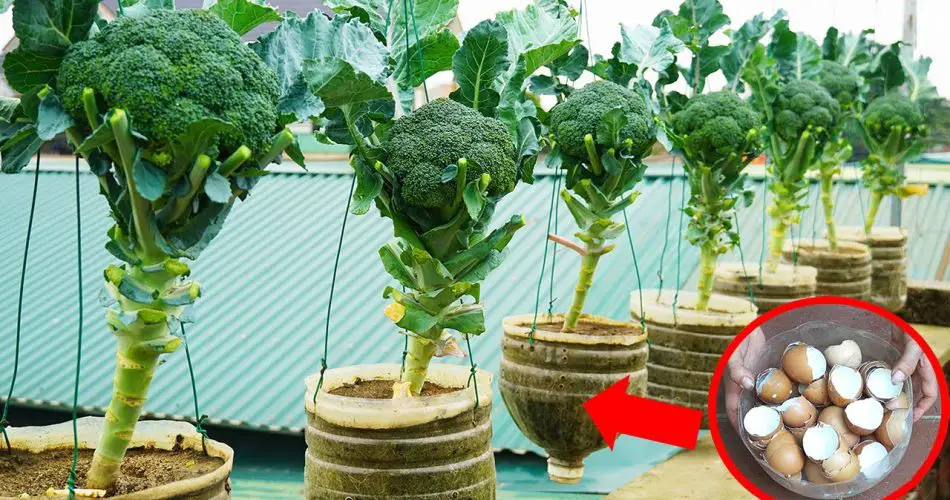
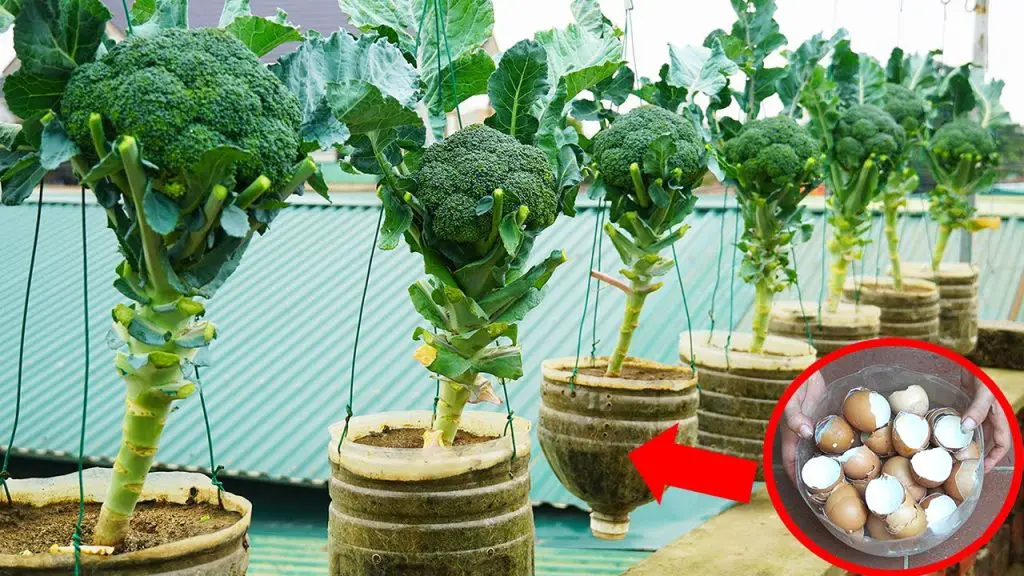
Growing cauliflower at home is a cost-effective and nutritious way to provide fresh vegetables for your family. Using plastic bottles as planters and eggshells as a natural fertilizer, you can create a sustainable and productive cauliflower garden even in small spaces.
🌿 Why Grow Cauliflower in Plastic Bottles?
✔ Space-saving solution – Perfect for balconies, patios, or small backyards.
✔ Eco-friendly gardening – Recycles plastic waste and reduces pollution.
✔ Nutrient-dense vegetables – Homegrown cauliflower is free from pesticides.
✔ Boosts soil health – Eggshells provide calcium, which strengthens plant growth.
🛠 Materials Needed
🔹 Plastic bottles (2L or larger) – Cut and prepared for planting.
🔹 Cauliflower seedlings – Choose strong and healthy plants.
🔹 Organic soil mix – Enriched with compost for better nutrients.
🔹 Crushed eggshells – A natural source of calcium and minerals.
🔹 NPK fertilizer (10-10-10) – Ensures strong roots and abundant heads.
🔹 Watering can or drip irrigation system.
💡 Tip: Add banana peels to the soil for an extra boost of potassium, which helps cauliflower grow bigger and stronger!
🌱 How to Grow Cauliflower in Plastic Bottles
Step 1: Preparing the Plastic Bottles
1️⃣ Cut plastic bottles in half or make large openings for planting.
2️⃣ Punch drainage holes at the bottom to prevent excess water retention.
3️⃣ Fill each bottle with a nutrient-rich soil mix, leaving some space at the top.
💡 Tip: Mixing crushed eggshells into the soil improves calcium levels and prevents plant diseases like blossom-end rot!
Step 2: Planting the Cauliflower Seedlings
1️⃣ Gently transplant cauliflower seedlings into the bottles.
2️⃣ Press the soil lightly around the base to secure the roots.
3️⃣ Water thoroughly to help them settle into their new environment.
💡 Tip: Keep the seedlings in a sunny location that gets at least 6 hours of sunlight per day.
Step 3: Providing Proper Care
✔ Water regularly to keep the soil moist but not soggy.
✔ Apply NPK fertilizer every 2-3 weeks for steady growth.
✔ Add more crushed eggshells every month to replenish calcium levels.
✔ Keep an eye out for pests like aphids and caterpillars – remove them manually or use organic pest control.
🥦 Harvesting Fresh Cauliflower
After 8-12 weeks, the cauliflower heads will be fully developed and ready for harvest. Cut them at the base, leaving some leaves around the head for longer freshness.
💡 Tip: Harvest early in the morning when temperatures are cool for the best taste and texture!
🌿 Final Thoughts
With this simple and effective method, you can grow nutrient-rich cauliflower for your family using plastic bottles and eggshells. It’s an eco-friendly way to enjoy fresh, organic vegetables while reducing waste. Start your DIY cauliflower garden today and enjoy a bountiful harvest! 🥦🌱♻