Bougainvillea is a stunning flowering plant known for its vibrant colors and ability to brighten any garden. Its bright, papery bracts in shades of purple, pink, red, and white are a sight to behold. If you’ve ever wanted to grow bougainvillea at home or increase the number of these beautiful plants in your garden, there is a new method for breeding bougainvillea using branches. This technique is not only effective but also surprisingly easy to follow, making it perfect for beginners and experienced gardeners alike. Let’s dive into how to propagate bougainvillea using branches and get the most out of your garden space.
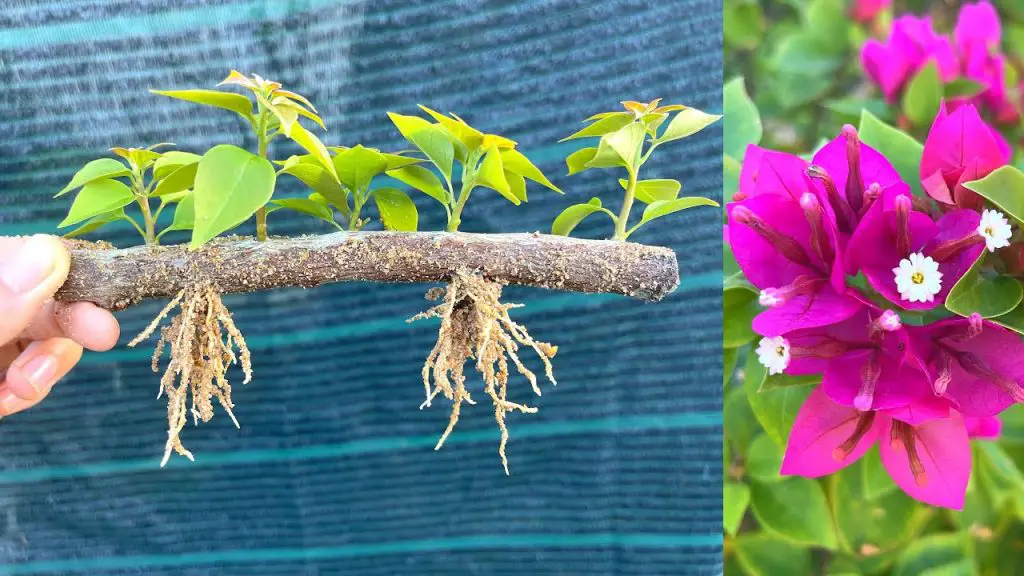
Why Use Branches for Growing Bougainvillea?
When it comes to breeding bougainvillea, using healthy branches as cuttings is a highly effective and natural way to propagate the plant. Bougainvillea cuttings can grow into new, independent plants that flower just like the parent plant. Using branches as cuttings offers a number of benefits:
- Cost-effective: No need to purchase new plants when you can create them from your existing bougainvillea.
- Faster Growth: Branch cuttings often root faster than seeds, meaning you’ll get a new bougainvillea plant sooner.
- Simple Process: This method is easy to follow, requiring minimal gardening tools and effort.
By using the new propagation method for bougainvillea, you can increase your collection of these stunning plants without the need for expensive nursery plants.
The New Method of Growing Bougainvillea Using Branches
This innovative method involves taking cuttings from healthy bougainvillea branches and encouraging them to root in a new environment. The steps are straightforward and yield great results:
Step 1: Choose Healthy Bougainvillea Branches
Start by selecting a healthy, mature bougainvillea branch. Look for a branch that is around 6 to 8 inches in length. It should be firm, not too young or too woody. Avoid branches that are diseased or damaged, as they are less likely to root successfully.
Step 2: Cut the Branch
Use a sharp, clean pair of pruning shears to make a clean cut on the branch. Make the cut just below a leaf node—this is where the roots will sprout. A diagonal cut is often recommended as it allows for better water absorption and rooting.
Step 3: Prepare the Cutting
Once you’ve cut the branch, remove any leaves from the lower half of the cutting, leaving a few leaves at the top. This helps the cutting focus its energy on growing roots rather than maintaining leaves. If there are any flowers on the branch, it’s a good idea to remove them as well, as they can drain energy from the cutting.
Step 4: Dip the Cutting in Rooting Hormone
For best results, dip the cut end of the branch into a rooting hormone. This is optional but can speed up the rooting process by encouraging root growth. Rooting hormone is available at most garden centers and is easy to use.
Step 5: Plant the Cutting
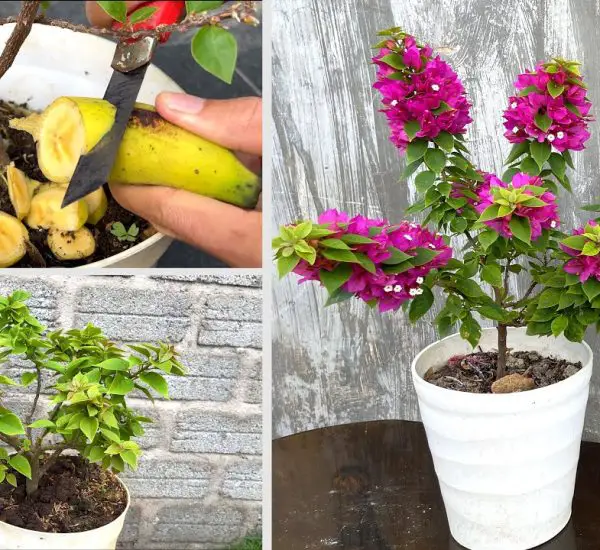
Plant the cutting into a pot filled with well-draining soil. A good mixture for bougainvillea is a blend of sand, perlite, and peat moss, which ensures proper drainage. You can also use cactus or succulent soil, as bougainvillea thrives in these conditions. Ensure the cutting is planted deeply enough for stability but not too deep, as this can inhibit rooting.
Step 6: Create a Humid Environment
To encourage the cutting to root, you’ll need to maintain a humid environment. Cover the pot with a plastic bag or use a propagation dome to trap moisture. Be sure the plastic does not touch the cutting directly, as this can cause it to rot. Place the pot in a bright, indirect light location, away from direct sunlight.
Step 7: Water Regularly
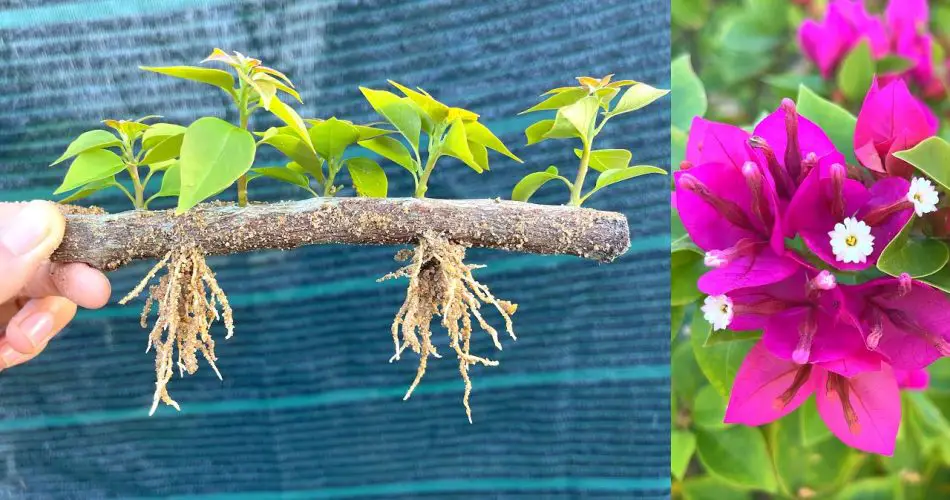
Keep the soil moist but not soaking wet. Too much water can cause the cutting to rot, while too little water will dry it out. Check the soil regularly and adjust watering as needed. After a few weeks, you should start to see new roots forming.
Step 8: Transplant the Rooted Cutting
Once the cutting has developed strong roots (this may take around 4 to 6 weeks), it’s time to transplant it into a larger pot or directly into the ground. Make sure the plant receives adequate sunlight (bougainvillea thrives in full sun) and keep the soil well-drained.
Tips for Success
- Temperature: Bougainvillea cuttings root best in warm temperatures. Try to maintain a temperature of around 70°F (21°C).
- Watering: Avoid overwatering, as bougainvillea is susceptible to root rot. Always allow the soil to dry out between waterings.
- Patience: While this method is highly effective, it can take time for the cuttings to establish strong roots. Don’t rush the process.
Benefits of Growing Bougainvillea from Branches
- More Plants for Free: Using branches allows you to propagate your bougainvillea for free, multiplying the number of plants you have without spending money on new ones.
- Preserve Plant Characteristics: Growing bougainvillea from cuttings ensures the new plants will have the same vibrant color and characteristics as the parent plant.
- Stronger Plants: Since you are propagating from an existing plant, the new bougainvillea will be well-suited to the conditions in your garden.
Conclusion
Breeding bougainvillea using branches is an incredibly easy and effective method that allows you to expand your collection of these vibrant plants. Whether you want to fill your garden with colorful blooms or create a unique floral display on your balcony, this method will provide you with beautiful, healthy plants in no time. Follow the steps above, be patient, and soon you’ll be rewarded with stunning bougainvillea plants that will brighten your space for years to come. Happy gardening!