If you love the vibrant and exotic blooms of Hibiscus rosa (commonly known as Bunga Raya in Malaysia), you might be surprised to learn that you can successfully grow its roots in water. This method is not only easy but also allows you to enjoy a lush, flowering plant right in your home or garden. In this article, we’ll explore how to grow Hibiscus roots in water and the benefits of this technique for your Bunga Raya plant.
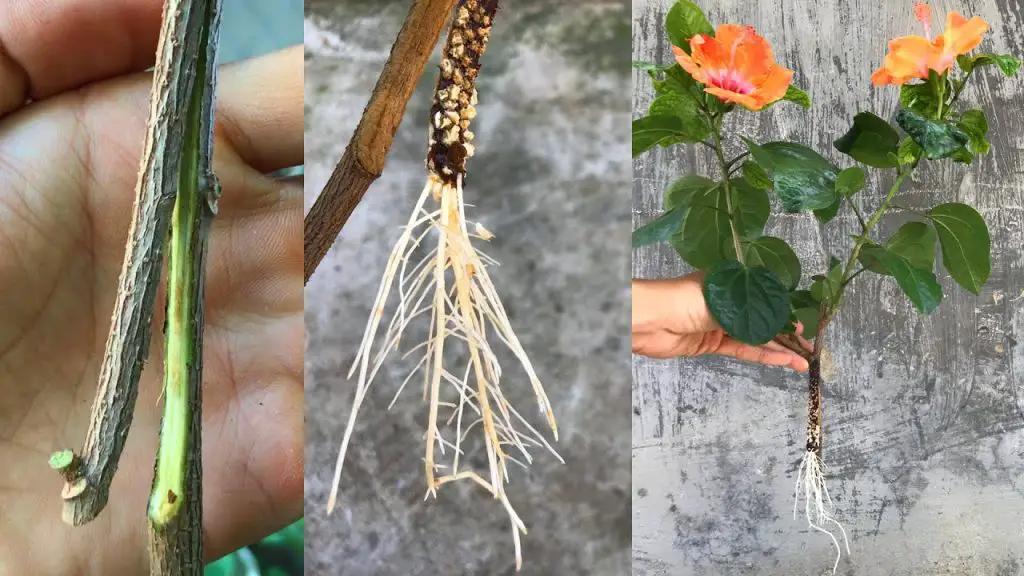
Why Grow Hibiscus Roots in Water?
Hibiscus is known for its large, showy flowers and attractive foliage. While traditionally planted in soil, growing Hibiscus roots in water can offer several advantages:
- Easy Propagation: Growing Hibiscus in water is an excellent way to propagate the plant without the need for complex soil preparation or special techniques.
- Better Root Development: Water provides constant moisture, which encourages the development of strong roots, especially for newly cuttings or young plants.
- Decorative Appeal: Having a water-based Hibiscus plant allows you to display its vibrant blooms and unique structure in a decorative water vase or container.
- No Messy Soil: Growing in water eliminates the mess of soil, making it an ideal solution for those who want to avoid dirt inside the home.
How to Grow Hibiscus Roots in Water: Step-by-Step Guide
Growing Hibiscus rosa in water is simple and can be done with just a few basic steps. Here’s a guide to get you started.
Materials Needed:
- A healthy Hibiscus cutting (preferably 6 to 8 inches long)
- A clear container or vase to hold the water
- Clean water (preferably rainwater or distilled water)
- A sharp knife or pruning shears
- A small support stick (optional, for stabilizing the cutting)
Step 1: Choose a Healthy Hibiscus Cutting
The first step to growing Hibiscus in water is to take a healthy cutting from a mature Hibiscus rosa plant.
- Select a healthy stem from the plant, making sure it is free from any pests or diseases.
- Cut the stem about 6-8 inches below a leaf node, using a sharp knife or pruning shears. The cutting should have at least 2-3 leaves left at the top.
- Remove excess leaves from the bottom of the cutting to expose the part of the stem that will be submerged in water.
Step 2: Place the Cutting in Water
Once you’ve prepared the cutting, it’s time to place it in water.
- Fill a clear container or vase with clean water. Ensure that the water level is enough to cover the bottom portion of the cutting (around 2-3 inches).
- Place the cutting in the water, making sure the cut end of the stem is submerged. The leaves should remain above the waterline.
- For extra stability, you can use a support stick to help keep the cutting upright and prevent it from floating around in the container.
Step 3: Provide Ideal Conditions for Root Growth
To ensure the Hibiscus roots grow successfully in water, place the container in a location that meets the plant’s needs.
- Light: Place the container in indirect sunlight. Hibiscus plants love light, but direct sun can cause the cutting to overheat and the water to evaporate quickly.
- Water Changes: Change the water every few days to keep it fresh and free from bacteria. If you use rainwater or distilled water, your cutting will be more likely to thrive.
- Temperature: Keep the water temperature consistent. Hibiscus plants prefer temperatures between 60-80°F (15-27°C). Avoid cold drafts or sudden temperature changes.
Step 4: Wait for Roots to Grow
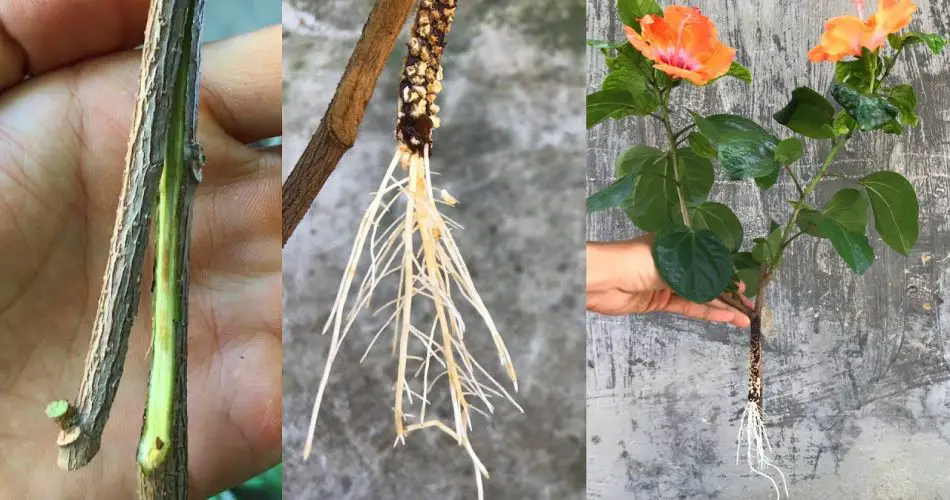
With proper care, your Hibiscus cutting will begin to develop roots in just 2 to 3 weeks.
- Watch for small white roots to form at the bottom of the cutting. As the roots grow, the cutting will become more established in its water environment.
- Be patient, as it may take a few weeks for roots to fully develop, depending on the temperature and water conditions.
Step 5: Transplant to Soil (Optional)
Once your Hibiscus roots are well-developed, you can transplant the cutting into soil for continued growth. If you prefer to keep it in water, you can continue growing your Bunga Raya in the container.
- Transplanting to soil: Choose a well-draining potting mix suitable for tropical plants. After transferring the cutting to soil, water it thoroughly and continue to provide it with bright, indirect light.
- Growing in water: If you choose to keep the plant in water, you can continue to enjoy the decorative aspect of the water-grown Hibiscus, but make sure to change the water regularly to keep it fresh and support healthy root growth.
Tips for Success:
- Rooting hormone: If desired, you can dip the bottom of the cutting in rooting hormone before placing it in water. This can help speed up the rooting process.
- Water level: Keep an eye on the water level and make sure the cutting is always submerged in water, but the leaves should never touch the water to prevent rot.
- Cleaning the container: Regularly clean the container to prevent algae growth and maintain a healthy water environment for the roots.
Conclusion
Growing Hibiscus rosa (or Bunga Raya) roots in water is a simple and effective way to propagate this stunning plant. By following the steps above, you can enjoy the beauty of a water-grown Hibiscus in your home or garden. Not only does this technique help develop healthy roots, but it also adds a unique, decorative element to your indoor plant collection. Whether you choose to grow it in water permanently or transplant it to soil, your Hibiscus rosa will flourish with the right care and attention. Happy gardening!