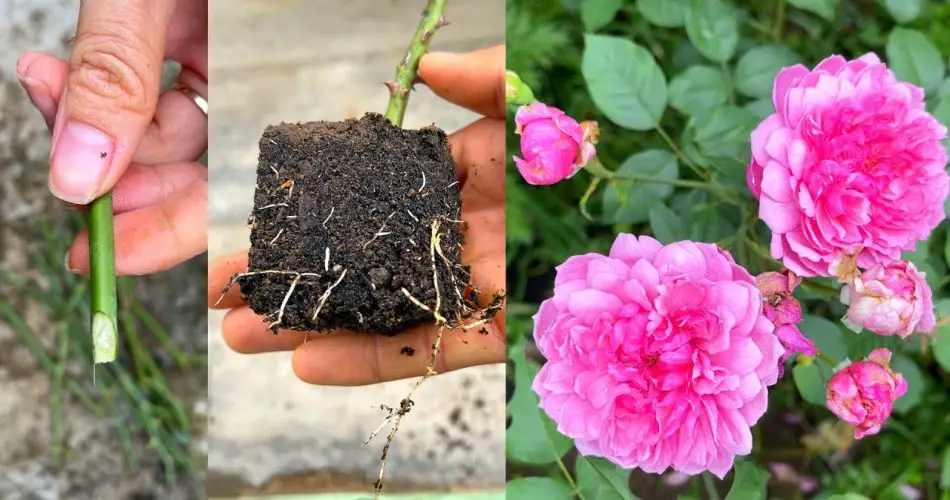
If you love roses and want to expand your garden without spending a fortune, propagating rose branches is a fantastic solution. With just a recycled milk box, you can grow beautiful roses at home while also practicing sustainability. Here’s how to do it step by step!
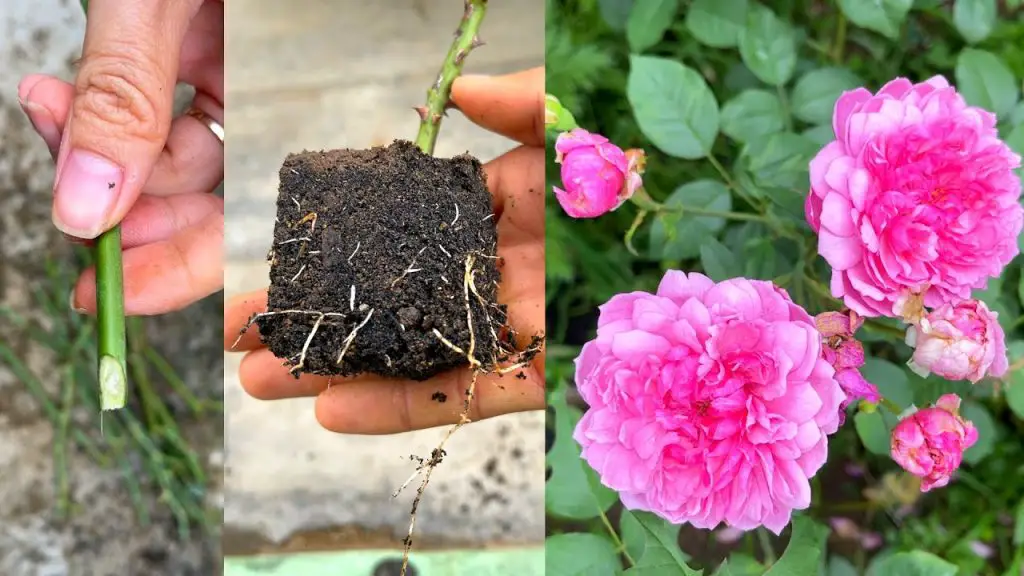
Why Propagate Roses?
Propagating roses allows you to:
- Multiply your favorite rose varieties.
- Save money on purchasing new plants.
- Preserve heirloom or special roses that may not be readily available in stores.
Materials Needed
- Healthy Rose Cuttings: Select healthy branches from your existing rose plants. Look for stems that are about 6-8 inches long and have at least 2-3 leaf nodes.
- Recycled Milk Box: A clean, empty milk carton serves as a great container.
- Potting Soil: Use a well-draining potting mix suitable for roses.
- Water: For initial soaking and daily care.
Step-by-Step Guide to Propagate Roses
- Prepare the Milk Box:
- Rinse the recycled milk box thoroughly to remove any residue.
- Cut the milk box in half, creating a container for your cuttings.
- Poke small holes in the bottom for drainage.
- Prepare the Rose Cuttings:
- Use a clean, sharp knife or scissors to cut healthy branches.
- Remove any flowers or buds on the cuttings, leaving just a few leaves at the top.
- Optionally, dip the cut ends in rooting hormone to encourage growth.
- Plant the Cuttings:
- Fill the milk box with potting soil, leaving about an inch of space at the top.
- Make holes in the soil and insert the cuttings, ensuring at least one leaf node is buried.
- Firm the soil around the cuttings to hold them in place.
- Watering:
- Gently water the soil until it’s moist but not soggy.
- Place the milk box in a warm, bright location but out of direct sunlight.
- Care and Maintenance:
- Keep the soil consistently moist but not waterlogged.
- Mist the leaves occasionally to maintain humidity around the cuttings.
- After a few weeks, check for roots by gently tugging on the cuttings. If there’s resistance, roots are developing!
Transplanting Your Roses
Once your cuttings have developed a healthy root system (usually within 4-8 weeks), it’s time to transplant them:
- Carefully remove the cuttings from the milk box.
- Plant them in individual pots or directly in your garden.
- Continue caring for your new roses with regular watering and appropriate sunlight.
Benefits of Using a Recycled Milk Box
- Eco-Friendly: Utilizing a milk box promotes recycling and reduces waste.
- Cost-Effective: It’s an inexpensive way to start your rose propagation journey.
- Accessible: Most households have milk boxes readily available, making this method easy to adopt.
Conclusion
By propagating rose branches in a recycled milk box, you not only grow new, beautiful roses but also contribute to a more sustainable gardening practice. This method is perfect for beginners and experienced gardeners alike. Start your propagation journey today and enjoy the beauty of roses in your garden!
Copy
Show Comments