Philodendron Selloum, also known as the Lacy Tree Philodendron, is a stunning tropical plant known for its large, glossy leaves and its ability to thrive in a variety of environments. This hardy plant is a popular choice for both indoor and outdoor spaces due to its low-maintenance nature and striking appearance. If you’re interested in breeding this beautiful plant, there are a few key steps to follow that will help ensure success. Here’s a detailed guide on how to breed Philodendron Selloum.
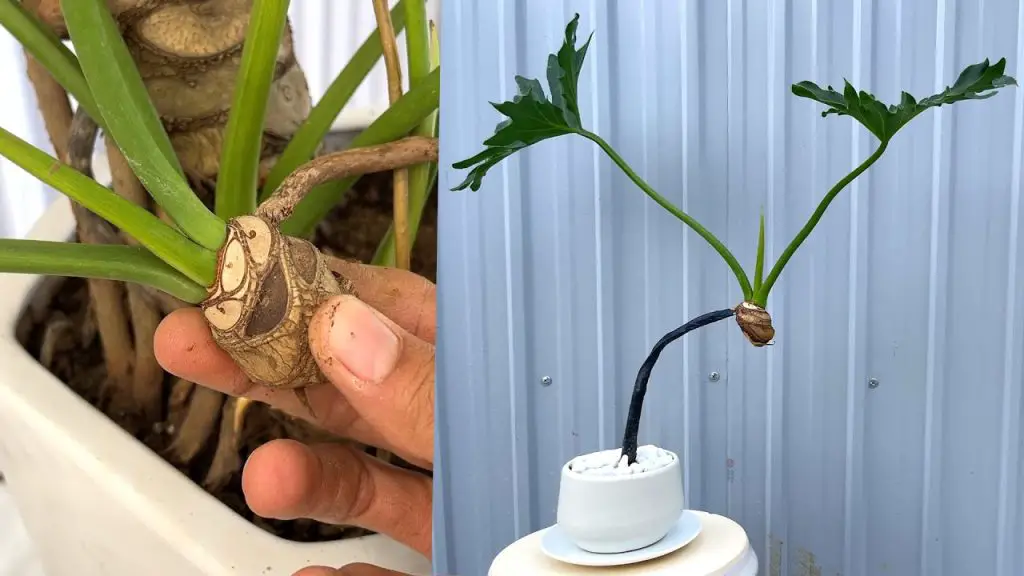
1. Understanding Philodendron Selloum
Before you begin breeding Philodendron Selloum, it’s important to understand what makes this plant special. Philodendron Selloum is native to Brazil and is known for its deeply lobed, dark green leaves that resemble tree ferns. It’s a fast-growing plant that can reach impressive heights, making it an excellent choice for indoor foliage or outdoor landscaping.
2. Breeding Philodendron Selloum by Stem Cuttings
The most common method for breeding Philodendron Selloum is through stem cuttings. This method is not only effective but also relatively simple, making it an excellent choice for beginners. Here’s how to do it:
a. Selecting the Right Cutting
To start, choose a healthy, mature Philodendron Selloum plant. Look for a non-flowering stem with at least two to three nodes (the areas where leaves and roots grow). The cutting should be about 4-6 inches in length, with several leaves attached.
b. Preparing the Cutting
Once you’ve selected your cutting, use a sharp, sterile knife or scissors to cut the stem just below a node. It’s important to make a clean cut to prevent any infection or disease. After cutting the stem, remove the leaves closest to the cut, leaving the top leaves intact. This will ensure that the cutting can focus its energy on root development rather than sustaining leaves.
c. Rooting the Cutting
Philodendron Selloum cuttings can be rooted either in water or soil:
- Water Method: Place the cutting in a glass of room temperature water, ensuring that the cut end is submerged. Change the water every couple of days to prevent stagnation. Roots will start to develop in a few weeks.
- Soil Method: Alternatively, you can plant the cutting directly into moist potting soil. Use a well-draining potting mix to ensure the cutting doesn’t become waterlogged. Water lightly and cover the cutting with a plastic bag or clear plastic dome to maintain high humidity and promote root growth.
d. Transplanting the Cutting
Once the cutting has developed strong roots (around 2-3 inches in length), it’s time to transplant it into a larger pot with well-draining soil. At this point, your cutting has become a new plant and can be treated as such.
3. Breeding Philodendron Selloum from Seed
Although Philodendron Selloum is typically propagated by stem cuttings, it’s possible to grow it from seeds. However, this method is less common and requires patience and careful attention. Here’s how to breed Philodendron Selloum from seed:
a. Collecting the Seeds
If you already have a mature Philodendron Selloum plant that flowers, you may be able to collect the seeds. The flowers are typically small and appear on a spadix, and the seeds are contained within the fruit that follows. Allow the fruit to ripen before harvesting the seeds.
b. Germinating the Seeds
To germinate the seeds, place them on a shallow tray filled with moist potting soil. Lightly press the seeds into the soil but do not bury them too deep. Cover the tray with plastic to create a greenhouse effect and keep the soil consistently moist. Keep the tray in a warm spot with indirect sunlight. Germination may take a few weeks, so be patient.
c. Transplanting the Seedlings
Once the seeds have germinated and the seedlings have developed a few leaves, they can be transplanted into individual pots. Treat them with the same care as cutting-grown plants, ensuring they receive adequate water, light, and humidity.
4. General Care for Newly Propagated Philodendron Selloum
Once your Philodendron Selloum has rooted and is growing in a new pot, it’s important to provide the right care to ensure it thrives.
a. Watering
Water the plant regularly, but ensure that the soil is allowed to dry out slightly between waterings. Overwatering can lead to root rot, so always check the soil moisture before adding more water.
b. Light Requirements
Philodendron Selloum thrives in bright, indirect sunlight. Avoid placing it in direct sunlight, as this can scorch its beautiful leaves.
c. Temperature and Humidity
This plant prefers warm temperatures (between 65°F to 80°F or 18°C to 27°C) and higher humidity. Consider using a humidifier or placing the plant in a room with good humidity to promote healthy growth.
d. Fertilizing
Feed your Philodendron Selloum with a balanced liquid fertilizer every 4-6 weeks during the growing season (spring and summer). Avoid over-fertilizing, as this can harm the plant.
5. Conclusion: Enjoy Your New Philodendron Selloum
Breeding Philodendron Selloum is a simple and rewarding process that allows you to grow this stunning plant in your home or garden. Whether you choose to propagate through stem cuttings or experiment with growing it from seeds, you can enjoy watching your plant grow and thrive. With the right care and attention, your newly propagated Lacy Tree Philodendron will soon become a vibrant addition to your plant collection.